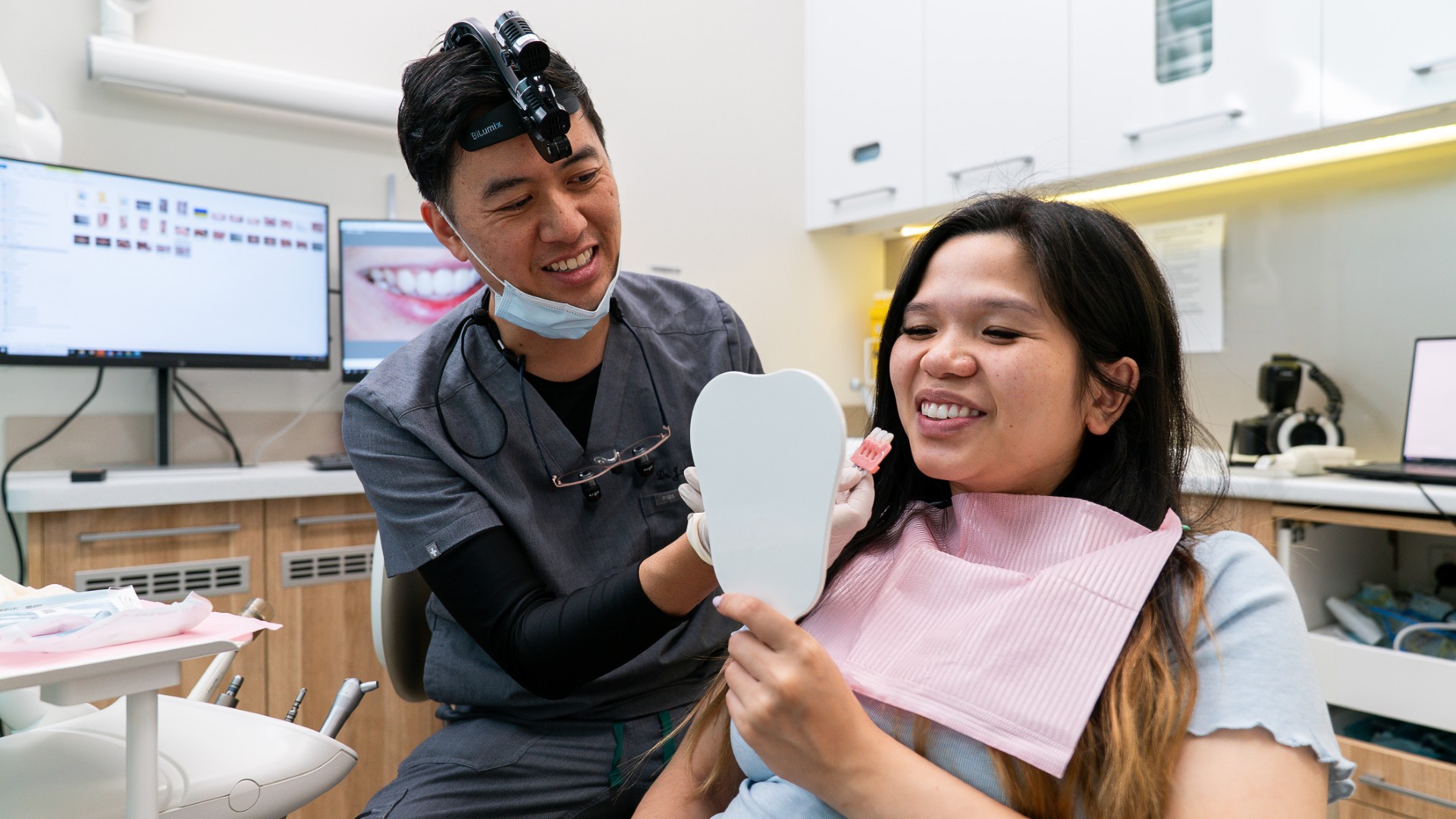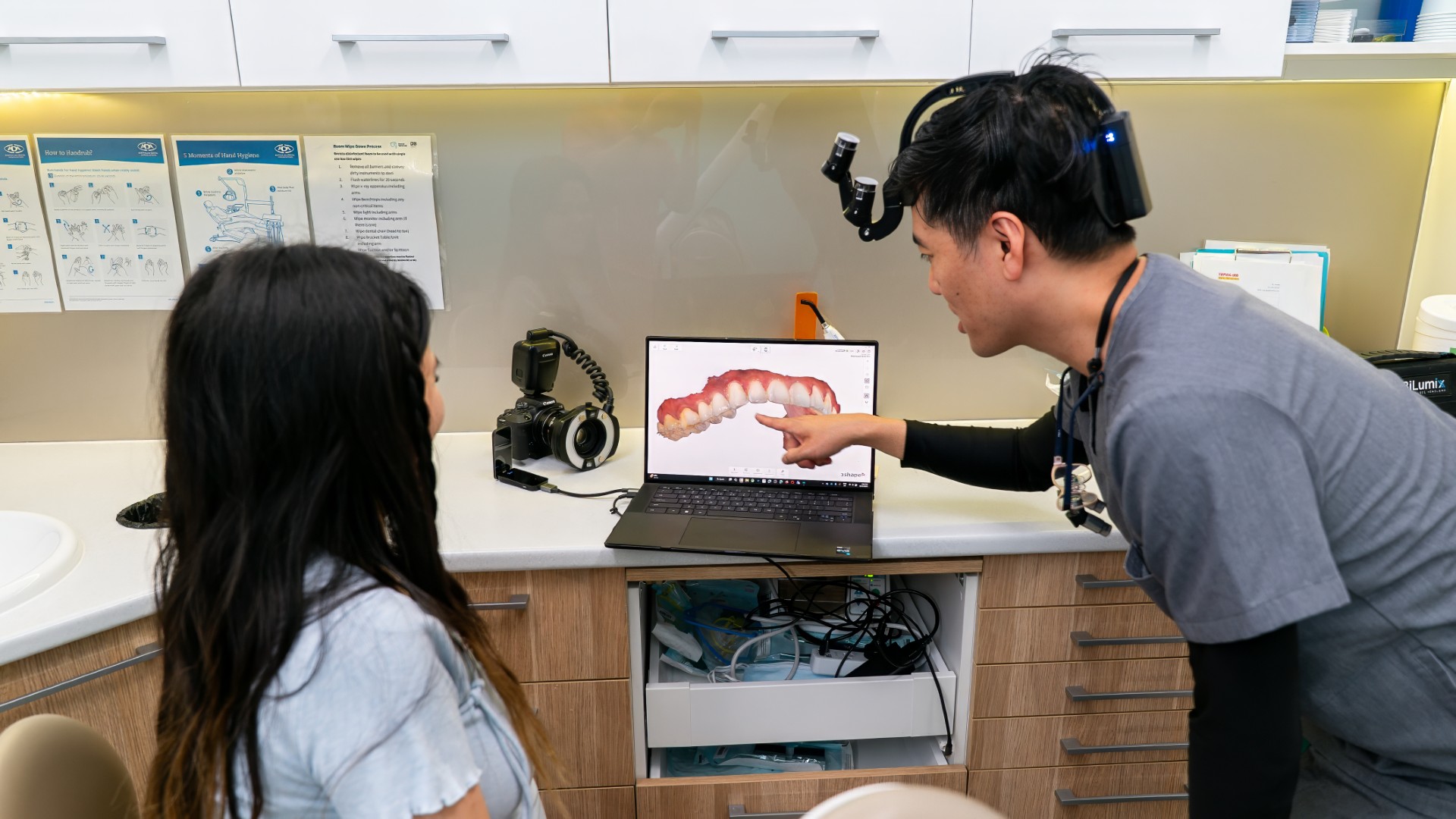
About three in every ten Australian adults have moderate or severe periodontitis, the stage of gum disease that destroys the bone holding teeth in place. That figure comes from dental examinations, not questionnaires, and many of the people counted in it would not have known they had a problem. Gum disease is common, mostly silent, and easier to treat the earlier it is found.
Where the Australian figures come from
The best national data come from the National Study of Adult Oral Health 2017 to 2018, run by the Australian Research Centre for Population Oral Health at the University of Adelaide. Trained examiners measured the gums at three points around each tooth, apart from wisdom teeth, for a large sample of adults across the country.
Reporting those results in the Australian Dental Journal in 2020, Ha and colleagues found that some three in every ten adults had moderate to severe periodontitis. They also found that, comparing people of the same age, periodontitis tended to be more common in 2017 to 2018 than in the previous national survey in 2004 to 2006. Milder gum inflammation, which this figure does not count, is more widespread still.
Two stages, and only one can be fully reversed
Gum disease begins as gingivitis. Plaque collects along the gum line and the gums become red, puffy and prone to bleeding. Nothing has been lost yet, and with a professional clean and better daily cleaning the gums can return to health.
If plaque and tartar stay in place, the inflammation can spread below the gum line and become periodontitis. Now the fibres and bone that anchor the tooth start to break down, leaving pockets between the tooth and gum where more bacteria collect. Lost bone does not grow back by itself. Treatment aims to stop the process and keep the teeth that remain stable. Without treatment, teeth can loosen and may eventually be lost. Our article on the stages of gum disease goes through this in more detail.
Why so many cases go unnoticed
Periodontitis rarely hurts until it is advanced. The most common early sign, bleeding when brushing, is easy to blame on a hard toothbrush. Pockets below the gum line cannot be seen in the mirror at home.
The only reliable way to find early disease is for a dentist or OHT to measure it. A thin probe is used to check the depth of the gap around each tooth, and X-rays show the level of the bone. The results are recorded as a periodontal chart, which also gives a baseline to compare against at future visits.
Signs worth booking in for include:
- gums that bleed when you brush or floss
- gums that are red, swollen or tender
- bad breath that keeps coming back
- teeth that look longer because the gums have shrunk back
- sensitivity near the gum line
- teeth that feel loose, have moved, or hurt when you chew
Healthdirect advises seeing a dentist if your gums still bleed after three to four days of good brushing and flossing.
Gum health and general health
Periodontitis has been linked in research with several general health conditions. The best-studied are diabetes, where the relationship appears to run in both directions, cardiovascular disease, and some pregnancy complications. A link is not proof that gum disease causes these problems, but it is a reason to treat the mouth as part of overall health. We cover the evidence in our articles on gum disease and diabetes and gum disease and heart health.
Treatment depends on the stage
Gingivitis is usually managed with a scale and clean and some changes to home care. Periodontitis needs deeper cleaning of the root surfaces below the gum line, often called root planing or subgingival debridement. It is usually done with local anaesthetic and may be spread over more than one appointment. Advanced cases may be referred to a periodontist, a registered specialist in gum disease, and some need gum surgery.
After active treatment, regular maintenance visits help keep the disease under control. Our article on periodontal maintenance compared with a regular clean explains how these visits differ, and our guide to gum disease treatment and costs sets out what each stage typically involves.
Having your gums checked at Lumi Dental
A check-up at Lumi Dental includes a look at your gums, and where needed our dentists and OHTs measure them and explain what they find in plain language. If it has been more than a year since your last visit, it is worth booking in. Current new patient offers are listed on our current deals page, and we are open Monday to Saturday at Melrose Central, with late appointments on Thursdays.