

The question every veneer patient should ask before committing
Veneers are often presented as a transformation. The dramatic before-and-after, the celebrity smile. What gets discussed less frequently is what happens in 10, 15, or 20 years. Here is the honest picture of veneer longevity, what causes failure, and what replacing them involves.
What the data actually shows
A 2019 systematic review published in the Journal of Prosthetic Dentistry, analysing multiple long-term clinical studies, found overall survival rates for feldspathic and lithium disilicate (e.max) porcelain veneers of over 90% at 10 years. At 15 years, survival rates in the better studies ranged from 82 to 93%. These figures are for well-selected patients treated by experienced clinicians with meticulous technique.
The main causes of failure in the literature are fracture or chipping, debonding (the veneer coming off), secondary decay at the margin, and endodontic complications where the pulp dies and requires root canal treatment.
What affects how long your veneers last
Material choice. Lithium disilicate (e.max) consistently outperforms feldspathic veneers in fracture resistance at comparable thicknesses. Ultra-thin feldspathic veneers have excellent aesthetics but require very careful patient selection. At Lumi Dental, e.max is our primary veneer material for this reason.
Bruxism. Grinding and clenching is the single biggest risk factor for veneer failure. Porcelain is hard but brittle. The repeated cyclic loading from grinding causes fatigue fractures. If you grind, you must wear a night guard every night without exception. I will not place veneers on active bruxism patients without a management plan in place first.
Bite and occlusion. Veneers in heavy contact when biting or moving the jaw are under higher stress. Careful occlusal adjustment during placement is essential. Cases where the bite cannot be optimised carry higher fracture risk and I discuss this explicitly before starting.
Home care. Veneers are bonded to enamel. If plaque accumulates at the gumline, the underlying tooth decays, and a veneer over decayed tooth structure will fail. Standard brushing and flossing is all that is required, but it must be consistent.
Operator skill and cementation. The bond between veneer and tooth depends on meticulous surface preparation, adhesive selection, and cementation technique. Shortcuts taken during cementation shorten veneer lifespan significantly.
What happens when a veneer needs replacement
This is the part patients often don't think about before committing. A veneer that chips, debonds, or develops margin decay must be removed and replaced. Removing a veneer requires grinding it off, which removes a further thin layer of the underlying tooth. If significant enamel preparation was done originally, you may reach a point where there is insufficient enamel remaining to bond a third or fourth veneer, at which point the tooth requires a full crown instead.
This is not a reason to avoid veneers. It is a reason to have them placed by an experienced clinician using the most conservative preparation approach possible, to protect them with a night guard if you grind, to attend regular check-ups so problems are caught early, and to choose the most durable material your aesthetic requirements allow.
No-prep veneers
Because no-prep veneers involve no tooth reduction, they can be removed if they fail without irreversible consequences. However, no-prep veneers are necessarily thin, which makes them more susceptible to fracture, and they are only appropriate for teeth that are already set back enough to accommodate the added thickness without looking bulky.
You may also find these related guides helpful: How Long Does Teeth Whitening Last and Crowns vs Veneers in Sydney. To talk through your options, you can also read about general dentistry at Lumi Dental.
At Lumi Dental
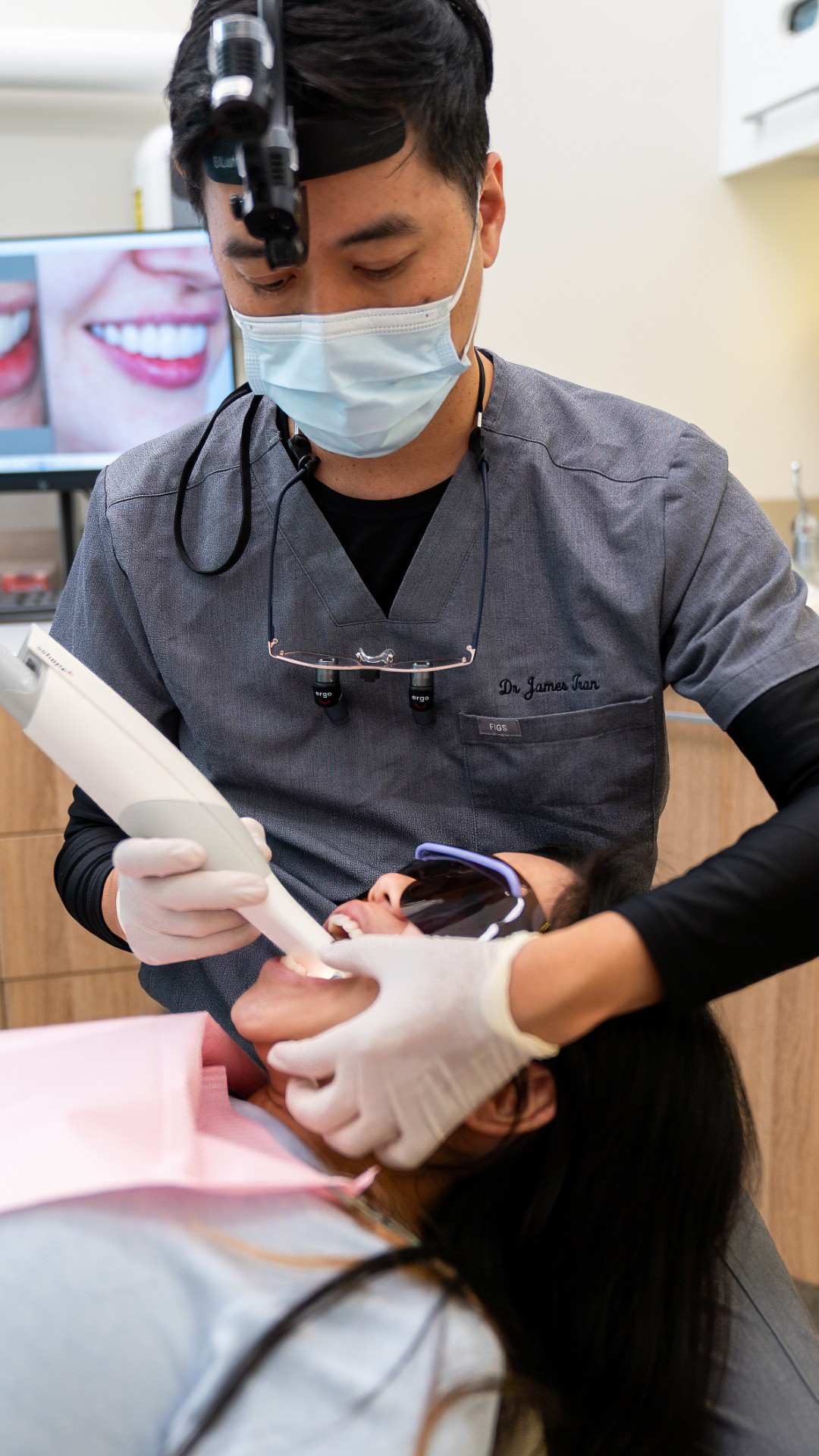
Every veneer case at Lumi Dental starts with a digital smile preview before any preparation begins, a discussion of expected longevity for your specific bite and risk profile, and a clear recommendation about whether no-prep or traditional preparation is appropriate. Free cosmetic consultation at Melrose Central, open 7 days.


