



Key takeaways
- A cracked tooth is one of the three leading causes of tooth loss in adults, alongside decay and gum disease, according to the American Association of Endodontists.
- Sharp pain when you bite down — and a brief jolt as you release — is the classic giveaway, often called "rebound pain".
- Cracks fall into five types: craze lines, fractured cusps, cracked teeth, split teeth, and vertical root fractures. Treatment depends on which type you have and how deep the crack runs.
- In Sydney, repair costs typically range from $200 bonding for a small chip up to $2,500–$5,500 for a root canal plus crown on a deeply cracked back tooth.
- Cracks usually don't show up on standard X-rays. If something feels off but nothing looks broken, ask for a bite test, transillumination, or magnified examination — these are the diagnostic tools that actually find them.
You bite into a piece of crusty bread or a stray olive pit and feel a sharp, electric jolt in one tooth. The pain disappears almost as fast as it came. Nothing looks broken in the mirror. Cold drinks now make that same tooth twinge for a second or two. Hours later you've half-convinced yourself you imagined it.
This is the textbook presentation of a cracked tooth — and it's one of the most under-diagnosed problems in general dentistry. Cracks are notoriously hard to see, even on X-rays. Patients often live with intermittent symptoms for months before the crack deepens enough to cause real trouble. The good news: caught early, most cracked teeth can be saved. Caught late, the same tooth often ends up needing a root canal, a crown, or an extraction.
This guide explains the five types of tooth cracks, how to recognise the warning signs, what diagnosis and treatment look like in Sydney, and what each option typically costs. If you've been ignoring an on-and-off pain in one tooth, this is the article that explains why you shouldn't.

What is a cracked tooth?
A cracked tooth is a fracture in the enamel or dentine of a tooth that may extend through one or more layers — sometimes reaching the pulp, the root, or below the gum line. Unlike a chip, where a piece of tooth has visibly broken off, a crack is a fault line that the tooth holds together until pressure forces the segments to flex apart. That micro-flex is what causes the pain, and why cracks are sometimes called "the great pretenders" of dentistry.
Cracks are most common in back teeth (premolars and molars) because they bear the heaviest chewing forces — typically 70–150 kg of bite pressure during normal chewing, and well over 200 kg in people who clench or grind. Teeth with large old fillings, root canal-treated teeth, and the lower second molars are at particularly high risk because their structure is already weakened.
The five types of tooth cracks
Not all cracks are equal. The American Association of Endodontists classifies tooth cracks into five distinct types, and the type you have determines whether the tooth can be saved.
1. Craze lines
Tiny, hairline cracks in the outer enamel only. They're extremely common in adults and almost always painless. Think of them as smile lines in the tooth — cosmetic at most. No treatment is required unless they're cosmetically bothersome on a front tooth, in which case veneers or bonding may be considered.
2. Fractured cusp
A piece of the tooth's chewing surface (the cusp) breaks off, often around an existing filling. Pain is usually mild because the crack rarely reaches the pulp. A new filling, onlay, or crown typically restores the tooth.
3. Cracked tooth (the classic "cracked tooth syndrome")
A vertical crack starting at the chewing surface and extending downward toward the root. This is the type that gives the syndrome its name. The crack may or may not reach the pulp. Symptoms come and go. If treated before the crack reaches the pulp, a crown can usually save the tooth. If the crack has reached the pulp, root canal therapy followed by a crown is the standard pathway.
4. Split tooth
An untreated cracked tooth that has progressed — the crack has worked its way through the tooth and split it into two distinct segments. Saving the entire tooth is rarely possible at this stage. In some cases the smaller segment can be removed and the larger portion saved with a root canal and crown; in others, full extraction is the only option.
5. Vertical root fracture
A crack that begins at the root and travels upward — often discovered late because there are few early symptoms. Common in teeth that have already had root canal treatment. These fractures usually require extraction, with replacement options including an implant, bridge, or partial denture.
Signs and symptoms — how to tell if you've cracked a tooth
The classic cluster of symptoms includes:
- Sharp pain when you bite down on a particular spot — and often a brief, electric jolt as you release pressure (this is the "rebound pain" your dentist will ask about).
- Pain that comes and goes — not a constant ache. You may go days without symptoms, then bite the wrong way and trigger it again.
- Sensitivity to cold or sweet — a brief twinge that fades within a few seconds. If the cold sensitivity lingers for 30 seconds or more, the pulp is likely already inflamed.
- Difficulty pinpointing the exact tooth — cracks often refer pain along the same side of the jaw, so the painful tooth and the cracked tooth aren't always the same one.
- One tooth that feels different to chew on — a vague "off" sensation that the tongue keeps returning to.
- A history of grinding, clenching, or biting something hard — many patients can pinpoint the bite that started it (an olive pit, popcorn kernel, ice cube, hard lolly).
When a cracked tooth becomes urgent
Most cracked teeth are not emergencies in the same way an abscess is, but the following warrant a same-week appointment to prevent the crack from worsening:
- Constant, throbbing pain (not just on biting) — this often means the pulp is now involved.
- Heat sensitivity that lingers — a strong indicator the pulp is dying.
- Visible swelling or a pimple on the gum near the tooth — the tooth may already be abscessed.
- The tooth feels loose or moves when you press it sideways — possible split tooth or root fracture.
- You can see a visible fracture line, especially one that's stained darker than the surrounding enamel.
What causes a cracked tooth?
Cracks rarely come out of nowhere. The most common contributors:
1. Bruxism (teeth grinding and clenching)
The single biggest risk factor. Grinders apply 5–10× normal chewing force to teeth, repeatedly, often during sleep. Over years this fatigues enamel and dentine and creates micro-cracks that eventually propagate. If you grind, a custom night guard is the single most cost-effective preventive measure.
2. Large old fillings
Especially silver amalgam fillings that occupy more than half the tooth's biting surface. Amalgam doesn't bond to tooth structure — it acts like a wedge, and over decades the surrounding tooth flexes around it until a piece breaks. Newer composite or ceramic restorations bond to the tooth and reduce this risk.
3. Biting something hard unexpectedly
Olive pits, popcorn kernels, ice cubes, hard lollies, frozen chocolate, the occasional fork tine. Any sudden bite force well outside normal chewing can fracture a previously healthy tooth — and is far more likely to fracture an already weakened one.
4. Trauma
A sporting blow, a fall, a car accident, or a fight. Visible chips and breaks are obvious. Hairline cracks from the same impact may take weeks or months to declare themselves.
5. Root canal-treated teeth
Teeth that have had root canal therapy lose internal hydration and become more brittle. They are particularly prone to vertical root fractures over time, which is why a properly fitted crown is recommended after most molar root canals — it helps protect against fracture.
6. Sudden temperature change
Eating something very hot then immediately drinking something very cold (or vice versa) can stress enamel through rapid expansion and contraction. Coffee-with-an-ice-water-chaser is a more common culprit than people realise.
How a cracked tooth is diagnosed
Diagnosing a cracked tooth is genuinely difficult — it's one of the more frustrating problems in general dentistry because the standard tools often come up empty. Expect your dentist to use a combination of:
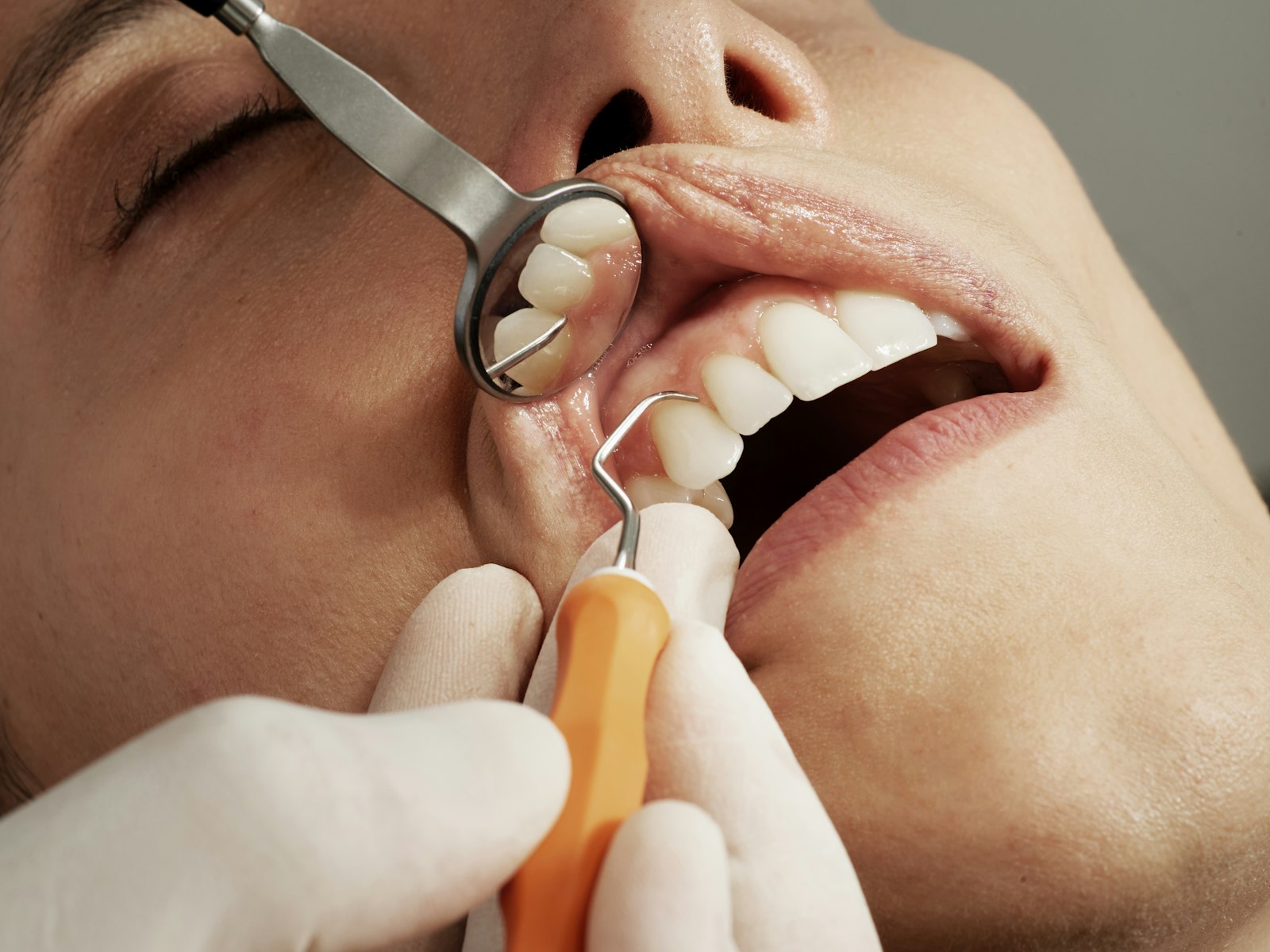
- Bite test (Tooth Slooth or cotton roll) — you bite down on a small plastic device placed on each cusp in turn. The cusp that triggers pain on release is almost certainly cracked.
- Transillumination — a bright fibre-optic light shone through the tooth. Light passes through healthy enamel; cracks block it and cast a visible shadow.
- Magnification (loupes or microscope) — magnified examination, often combined with methylene blue dye, can reveal cracks invisible to the naked eye.
- Periodontal probing — an isolated, deep pocket beside one tooth can indicate a vertical root fracture.
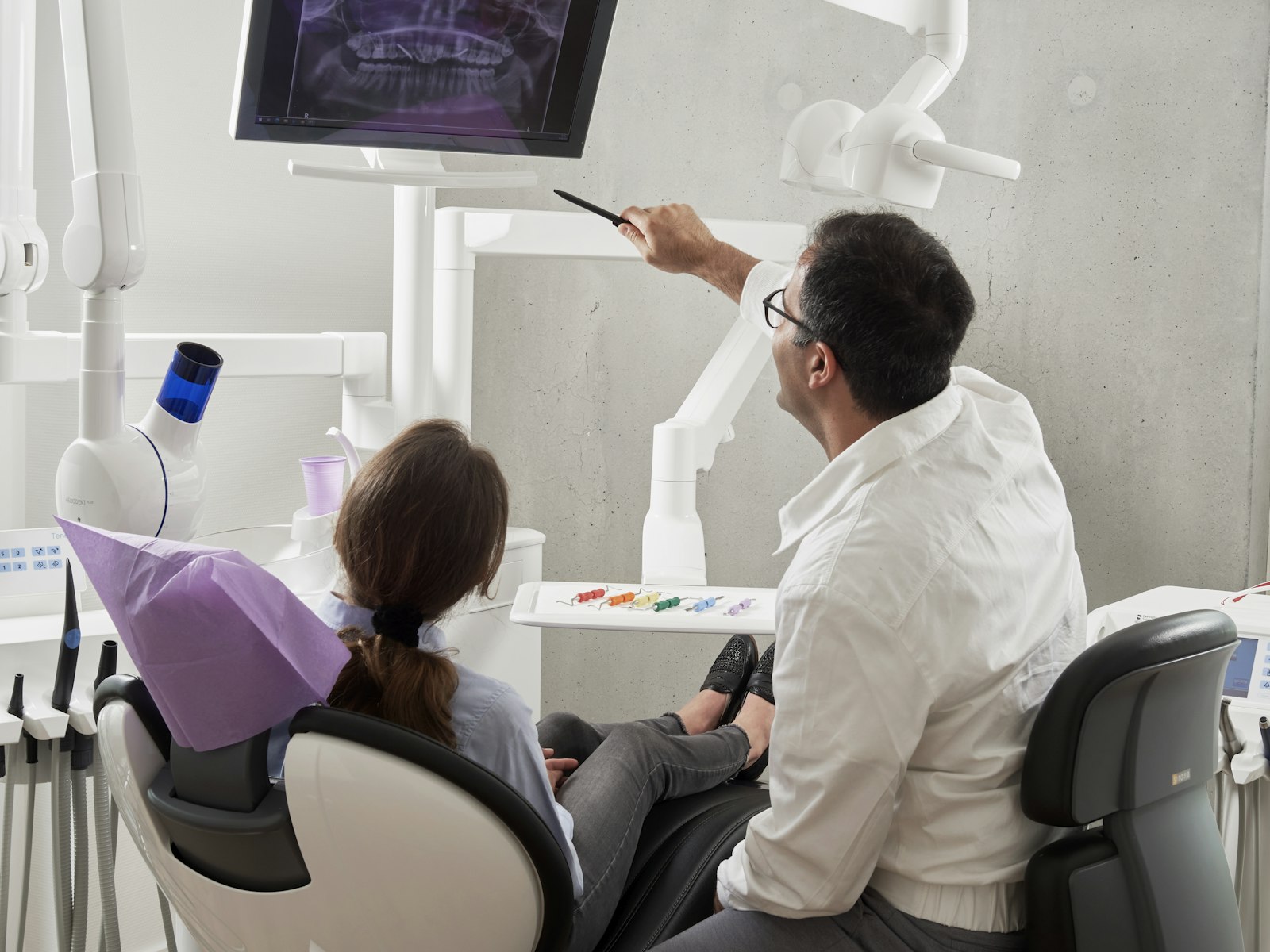
- X-ray and CBCT — standard X-rays usually miss cracks because the fault line is parallel to the X-ray beam. A 3D cone-beam (CBCT) scan is sometimes needed to visualise root fractures.
- Vitality testing — cold spray and an electric pulp tester help determine whether the pulp is still alive, dying, or already dead, which directs treatment.
A confident diagnosis often takes more than one visit. If your tooth is borderline, your dentist may place a temporary "stabilising" band around it for a few weeks to see whether removing the flex eliminates the pain — a useful diagnostic step before committing to a crown or root canal.
Cracked tooth treatment options and Sydney costs
Treatment depends on the type of crack, how deep it runs, whether the pulp is involved, and which tooth is affected. The table below shows typical Sydney private fees in 2026, mapped to ADA Schedule item codes. Public dental and concession-card pathways are noted further down.
| Treatment | ADA item | Typical Sydney fee | When it's used |
|---|---|---|---|
| Diagnostic exam + bite test | 012 / 013 / 022 | $70–$220 | First step for any suspected crack |
| Cone-beam CT (CBCT) | 088 | $150–$350 | When a root fracture is suspected |
| Composite bonding / small filling | 521 / 522 | $180–$400 | Small fractured cusp, no pulp involvement |
| Larger composite restoration | 523 / 524 | $300–$650 | Fractured cusp with mid-sized cavity |
| Indirect ceramic onlay | 578 / 579 | $1,200–$1,800 | Cracked tooth with significant cusp loss but no pulp involvement |
| Stabilising band (orthodontic / copper band) | 591 / 597 | $80–$180 | Diagnostic step before committing to crown or root canal |
| Porcelain or ceramic crown | 613 / 615 | $1,800–$2,500 | Cracked tooth without pulp involvement; or after root canal |
| Root canal therapy (molar) | 415 / 417 | $1,500–$2,500 | Crack has reached the pulp; tooth is restorable |
| Root canal + crown combination | 415 + 613 | $2,500–$5,500 | Most common pathway for a deeply cracked molar |
| Extraction (simple / surgical) | 311 / 322 | $250–$650 | Split tooth or vertical root fracture |
| Replacement: dental implant | 684 / 688 | $4,500–$6,500 | After extraction, single missing tooth |
Fees are estimates based on the 2025 ADA Fee Survey for NSW private practice and may vary between clinics. Lumi Dental publishes its own item-level fees on the practice fees page; what your tooth actually needs depends on a clinical exam.
What to do tonight if you suspect a cracked tooth
If the dentist can't see you until tomorrow morning, here's how to manage symptoms and protect the tooth in the meantime. None of these are treatments — they are bridging measures while you wait for proper care.
- Stop chewing on that side. Move all eating to the opposite side of your mouth. Even a single hard bite can deepen a crack.
- Eat soft foods only. Yoghurt, eggs, soft pasta, soup, bananas. Avoid anything crunchy, chewy, or hard.
- Avoid extreme temperatures. Lukewarm food and drinks reduce the chance of triggering pain or further stressing the enamel.
- Use a soft-bristled toothbrush gently around the area. Keep brushing — the tooth is still vulnerable to decay, and a clean tooth heals better.
- Manage pain with paracetamol or ibuprofen if appropriate. Adults with no contraindications can typically take paracetamol 1 g and ibuprofen 400 mg together every 6 hours for short-term dental pain. Always check the label and follow Australian Therapeutic Guidelines or ask your pharmacist.
- If a piece has broken off, save it. Place the fragment in a small container with milk or saline. Some fragments can be re-bonded; even when they can't, your dentist may want to see it.
- Phone your dentist first thing. Most clinics keep emergency slots for acute pain. If pain becomes constant, throbbing, or you develop swelling, that's an escalation — call straight away rather than waiting.
If you suspect a cracked tooth and you also have facial swelling, fever, or difficulty swallowing, treat it as a dental emergency — see our tooth abscess guide for when symptoms warrant emergency care.
Will a cracked tooth heal on its own?
No — a crack in a tooth does not heal. Enamel and dentine have no blood supply and no capacity to regenerate the way bone or skin can. Once a crack exists, it can only be stabilised, restored, or — if it has progressed too far — extracted. Cracks that are caught early and stabilised with a crown have a good long-term prognosis. Cracks left untreated tend to deepen, often slowly over months, until they reach the pulp or the root.
This is why intermittent biting pain is worth investigating even when the tooth looks fine. The earlier a crack is found, the simpler — and cheaper — the fix.
How to prevent cracked teeth
You can't make teeth crack-proof, but you can lower the risk substantially:
- If you grind, get a custom night guard. Boil-and-bite guards from the chemist offer some protection; a properly fitted custom guard offers far more. Bruxism is the single most preventable cause of cracked teeth.
- Replace large old amalgam fillings before they fail. If a tooth has a silver filling that takes up more than half the chewing surface, ask your dentist whether replacing it with a bonded composite or onlay would reduce fracture risk.
- Consider a crown after a molar root canal. A crown protects the now-brittle tooth from fracture; an unprotected back tooth post-root-canal is a known risk factor for a future split tooth.
- Be cautious with hard foods. Avoid biting ice, hard lollies, pen lids, fingernails, popcorn kernels, and chicken bones.
- Wear a mouthguard for contact sport. A custom-fitted sports guard absorbs the impact that would otherwise crack a front tooth.
- Manage your stress. Daytime clenching is a common but under-recognised driver of cracks — particularly during high-stress periods. Relaxation techniques, magnesium, or a daytime awareness habit can all help.
- Have routine check-ups. Cracks found at a six-month exam are typically simpler to fix than cracks found in pain at an emergency visit.
Frequently asked questions
How long can you wait to fix a cracked tooth?
The honest answer is: as little as possible. A cracked tooth that's stable today may extend through the pulp tomorrow if you bite the wrong way. Most dentists recommend treatment within 1–4 weeks of diagnosis. Pain that is becoming constant or temperature-sensitive that lingers more than 30 seconds is a sign the crack is progressing — see your dentist within days.
Why does my cracked tooth only hurt sometimes?
Because cracks open and close depending on the angle and force of your bite. Bite directly down the long axis of the tooth and the segments stay together — no pain. Bite at a slight sideways angle and the segments flex apart, briefly exposing the inner dentine to pressure and causing the classic sharp jolt. The intermittent pattern is the most reliable diagnostic clue.
Will my health fund cover cracked tooth treatment?
Most extras policies cover diagnostic exams, X-rays, fillings, and crowns — but annual limits often run out part-way through major work. A typical mid-tier extras policy might cover 50–80% of a $200 exam and 30–50% of a $1,800 crown up to a yearly cap. Major treatments like root canal + crown frequently exceed extras limits, so out-of-pocket costs are common. Ring your insurer with the relevant ADA item numbers from the table above to get an exact estimate before you book.
Can a cracked tooth cause an infection?
Yes. If a crack reaches the pulp, bacteria from saliva can enter, leading to pulpitis and eventually a dental abscess. Constant throbbing pain, swelling, a pimple on the gum, or a bad taste in the mouth are signs the tooth has become infected — see a dentist within 24 hours.
Is sensitivity to cold always a cracked tooth?
No. Brief cold sensitivity (a few seconds) is far more often caused by exposed dentine from general tooth sensitivity, gum recession, or recent whitening. Cracked teeth typically also produce sharp biting pain — that's the differentiator. Cold sensitivity that lingers 30 seconds or longer points to pulp inflammation, which can be either a deep crack or advanced decay.
Can you get a crown without a root canal first?
Often yes — and it's the preferred outcome. If the crack has not yet reached the pulp, a crown alone can stabilise the tooth and stop the crack progressing. A diagnostic stabilising band is sometimes used first to confirm the pulp is healthy. If pain settles with the band over a few weeks, a crown without root canal is appropriate. If pain persists or worsens, root canal is added before the crown.
How successful is treatment for cracked teeth?
It depends on type and timing. Fractured cusps and small cracks treated with a crown have around 85–90% five-year survival. Cracked teeth treated with root canal and crown have approximately 70–85% five-year survival, with worse outcomes for cracks that extend below the gum line. Split teeth and vertical root fractures generally cannot be saved.
The Lumi Dental approach
At Lumi Dental in Melrose Park, every patient with biting pain or temperature sensitivity gets a structured cracked-tooth work-up: bite test, transillumination, magnified examination, and X-rays where indicated. We aim to find cracks early — when a crown alone can save the tooth — rather than later when root canal or extraction is the only option. We'll always explain what we've found, show you the evidence, and discuss the trade-offs of each option before recommending treatment.
If something feels off when you chew, even intermittently, it's worth investigating. Book an appointment with Dr James Tran or check the new patient offer for first-visit details.

