


A tooth abscess is one of the few dental problems that genuinely cannot wait. It is a localised bacterial infection — a pocket of pus formed inside a tooth or in the surrounding gum — and it does not heal on its own. Left untreated, the bacteria can spread into the jaw, the floor of the mouth, the neck, and rarely into the airway and bloodstream. Australian Institute of Health and Welfare data from the National Study of Adult Oral Health show around 11 per cent of Australian adults report toothache severe enough to disrupt daily life, much of which traces back to untreated decay or periodontal infection that has progressed to abscess.
The good news is that almost every tooth abscess seen in a Sydney clinic is straightforward to treat once a dentist examines it and takes an X-ray. The painful part is usually relieved within hours. This guide walks through the two main types of abscess, the symptoms that suggest one is forming, when to treat it as a same-day emergency, the typical Sydney costs by ADA item code, and what you can do tonight if you suspect you have one.
Key takeaways
- A tooth abscess is a bacterial infection that forms a pus pocket inside a tooth (periapical) or in the gum (periodontal). It does not heal on its own.
- The hallmark symptom is a continuous, throbbing toothache — often worse when lying down — sometimes with facial swelling, fever, or a bad taste.
- An abscess with facial swelling, fever, difficulty breathing, or difficulty swallowing is a medical emergency. Call 000 or attend the nearest hospital emergency department.
- In Sydney, abscess treatment typically costs $90–$180 for the emergency exam, $200–$600 for incision and drainage, $1,400–$2,500 for root canal therapy, or $200–$600 for an extraction.
- Antibiotics alone do not cure a tooth abscess. The infected pulp or gum pocket has to be physically drained or removed by a dentist.
What is a tooth abscess?
A tooth abscess is a localised collection of pus caused by a bacterial infection inside a tooth, in the gum, or in the bone around the root. The pus forms because the immune system is fighting the infection but cannot clear it through the bloodstream — there is no drainage path, so pressure builds inside a confined space. That pressure creates the characteristic throbbing pain.
Two patterns account for almost all dental abscesses, and the difference matters because the treatments are not the same.
Periapical abscess (inside the tooth)
A periapical abscess starts inside the tooth itself. Bacteria reach the pulp — the soft tissue containing the nerve and blood vessels — usually through a deep cavity, a crack, or a failed previous filling. Once the pulp dies, the infection drains out the tip of the root into the surrounding bone. Periapical abscesses are the more common type and the type most strongly associated with severe, throbbing toothache.
Periodontal abscess (in the gum)
A periodontal abscess sits in the soft tissue beside the tooth, not inside it. It usually forms when food, plaque, or a foreign object gets trapped in a deep gum pocket — most often in someone with established periodontitis. The tooth itself may still be alive and respond normally to cold, but the gum next to it is red, swollen, tender, and may leak pus when pressed. Active periodontitis dramatically increases the risk.

Symptoms: how to tell if you have a tooth abscess
The first sign is almost always a tooth that hurts and will not stop hurting. A normal sore tooth eases off when the trigger goes away. An abscess hurts continuously, often worse at night when you lie flat, and frequently radiates outward to the jaw, ear, or temple on the same side.
Red-flag symptoms — see a dentist today
- Continuous, throbbing toothache not relieved by paracetamol or ibuprofen at recommended doses.
- Pain that wakes you at night or worsens when lying down.
- Sensitivity to heat that lingers for several seconds after the source is removed — different from cold sensitivity, which is usually dentine hypersensitivity.
- Pain when biting on a specific tooth, or when tapping that tooth with a fingernail.
- A pimple-like bump on the gum beside or above a sore tooth, sometimes draining a bad-tasting fluid (a "fistula" — the abscess has found a drainage route).
- A bad taste or persistent bad breath that will not clear with brushing.
- A loose tooth in an adult, especially when paired with the symptoms above.
Emergency-room symptoms — call 000 or go to a hospital ED
- Facial swelling that is spreading across the cheek, eye socket, or down toward the neck.
- Fever, chills, or feeling generally unwell — these signal the infection is spreading systemically.
- Difficulty swallowing, opening the mouth, or breathing. Swelling that pushes the tongue upward (Ludwig's angina) can compromise the airway and is a true medical emergency.
- Swelling around the eye, especially with upper-jaw teeth — infection can track toward orbital tissues.
Public hospital EDs in Sydney (Royal Prince Alfred, Concord, St Vincent's, Westmead) will treat a spreading dental infection as a medical emergency, drain the swelling if needed, and prescribe IV antibiotics. They typically cannot do the dental work itself — that still has to follow with a dentist.
What causes a tooth abscess?
Almost every dental abscess traces back to bacteria reaching tissue that should be sterile. Six pathways account for nearly all cases.
1. Untreated dental decay
The leading cause of periapical abscess. A cavity that progresses through enamel and dentine eventually reaches the pulp, where bacteria infect the nerve. Early-stage decay is silent — there is no pain until the pulp is involved — which is why routine check-ups catch it before it becomes an abscess.
2. A cracked or fractured tooth
A crack does not need to be visible to admit bacteria. Hairline cracks under old fillings, cracks from biting unexpected hard food, and cracks in heavily restored teeth are all common entry points. Pain that comes on suddenly when biting and releasing — but is fine the rest of the time — is the classic signal of a cracked tooth before it abscesses.
3. A failed or leaking filling or crown
Old amalgam fillings can develop microleaks at the margins, bonded composites can debond, and crowns can develop decay underneath. Any of these allows bacteria back into the pulp space. Replacing failing restorations early prevents the cascade to abscess.
4. Gum disease (periodontitis)
The leading cause of periodontal abscess. Deep pockets between teeth and gums trap food and bacteria; when the body cannot flush them, an abscess forms in the pocket itself. People with diabetes, smokers, and those with a history of irregular dental visits are at higher risk.
5. Trauma to the tooth
A knock to the front teeth (sport, falls, motor accidents) can sever the blood supply to the pulp without breaking the tooth visibly. Months or years later, the dead pulp becomes infected and an abscess forms. Any trauma to a front tooth — even one that "felt fine" at the time — is worth a follow-up X-ray.
6. Recent dental work that has not settled
Most teeth feel a little tender for 24–72 hours after a deep filling or crown preparation. Pain that intensifies after day three, throbs at night, or wakes you up suggests the pulp has not survived the procedure and may be heading toward abscess. Call your dentist — early intervention often saves the tooth.
How a dentist diagnoses a tooth abscess
The diagnosis takes a few minutes and is mostly clinical. A Sydney dentist will typically:
- Listen to the history. Constant pain, throbbing at night, pain when biting, and a specific tooth that has been "off" for days are strong pointers.
- Test the suspect tooth's pulp. A periapical abscess almost always involves a dead pulp — the tooth will not respond to a cold spray, but tapping it reproduces the pain. A periodontal abscess shows the opposite pattern: pulp responds normally, but the gum is tender.
- Check the gum for a fistula (drainage bump), localised swelling, or pus on probing.
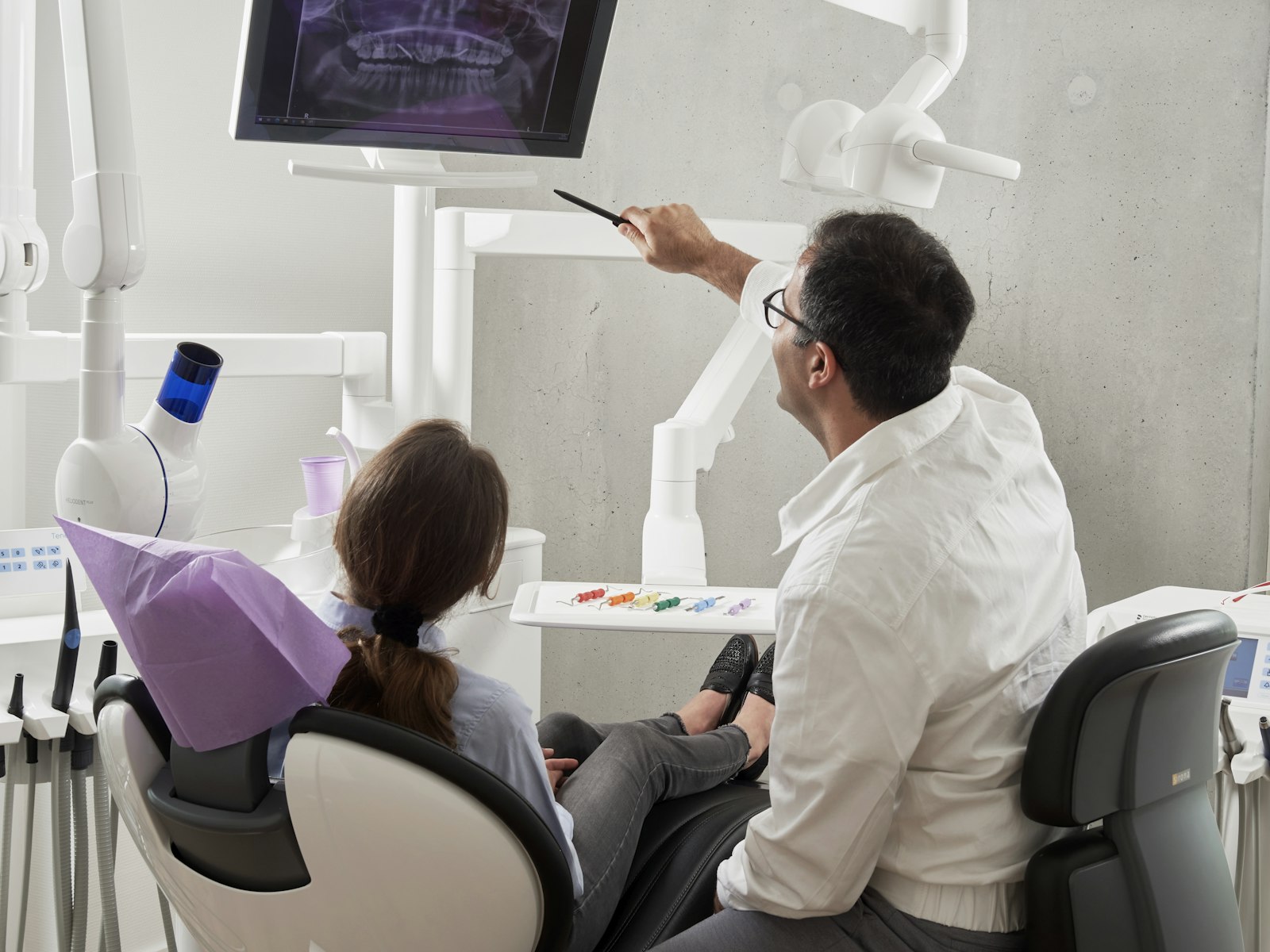
- Take a periapical X-ray (ADA item 022). A periapical abscess present for more than a week or two usually shows a dark "halo" at the root tip; a periodontal abscess shows angular bone loss alongside the tooth.
- Sometimes take an OPG or CBCT for complex cases — multi-rooted teeth, suspected vertical root fractures, or unusual patterns.
Treatment options and Sydney costs
Almost every abscess needs two things: drainage and removal of the source. Antibiotics are sometimes added, but they cannot replace the physical procedure — bacteria in dead pulp tissue or sealed pus pockets are not reachable by the bloodstream. The table below summarises the typical pathway at a Sydney general dental clinic, using item codes from the Australian Schedule of Dental Services and Glossary.
| Stage | ADA item | Typical Sydney fee | What's involved |
|---|---|---|---|
| Emergency / limited oral exam | 012 / 013 | $90–$180 | Focused examination of the painful tooth and surrounding tissue. |
| Periapical X-ray | 022 | $45–$80 | Diagnostic image of the affected tooth and root tip. |
| OPG (full-mouth X-ray) | 037 | $120–$180 | Used when more than one tooth is involved. |
| Incision and drainage | 215 / 218 | $200–$600 | Local anaesthetic, small incision, drain pus, irrigate. |
| Root canal — front tooth | 415 | $1,400–$1,900 | Single-canal endodontic treatment to remove infected pulp. |
| Root canal — molar (3 canals) | 417 | $1,800–$2,500 | Multi-canal endodontic treatment, more time-intensive. |
| Crown after root canal | 613 / 615 | $1,800–$2,500 | Recommended for back teeth to protect the brittle treated tooth. |
| Simple extraction | 311 / 314 | $200–$400 | Removing the tooth; quickest way to clear the infection. |
| Surgical extraction | 322 / 324 | $400–$600 | Used when the tooth is broken down or roots are awkward. |
| Antibiotics (if indicated) | — | $15–$30 | Prescription only, when there is spreading infection or systemic symptoms. |
Two reminders. First, these are typical ranges for a private general dental clinic in Sydney; specialist endodontists and periodontists charge more, and after-hours emergency clinics typically add a callout fee of $100–$300. Second, most private health funds with extras cover a meaningful share of emergency exams, X-rays, drainage, and extractions — but caps on major dental (root canals, crowns) are often quickly exhausted. Call your fund before treatment for an itemised quote.
What about antibiotics?
Antibiotics are useful when the infection is spreading beyond the local tooth — fever, lymph node swelling, facial swelling, or systemic illness — but they do not cure the abscess on their own. The Therapeutic Guidelines: Oral and Dental and the ADA Antibiotic Prescribing Guidelines both emphasise that source control (drainage, root canal, or extraction) is the primary treatment, and antibiotics are an adjunct. Common first-line choices are amoxicillin or, for penicillin-allergic patients, clindamycin or metronidazole.
Why the caution? Over-prescribing antibiotics for dental pain contributes to antibiotic resistance — a recognised AHPRA and Therapeutic Goods Administration concern — and a course that knocks the pain down for a few days often masks an unaddressed source that returns worse the next month. If your dentist gives you antibiotics, you still need the procedure to fix the cause.
What to do tonight if you think you have an abscess
If you cannot get to a dentist immediately, a few steps make the wait safer and more comfortable:
- Take ibuprofen and paracetamol together at recommended adult doses (ibuprofen 400 mg + paracetamol 1 g, every 6 hours, if you have no contraindications). This combination is more effective than either alone for dental pain. Always check with your pharmacist if you have stomach, kidney, or liver issues.
- Rinse with warm salt water 3–4 times a day (1 teaspoon of salt in a cup of warm water). This reduces bacterial load and can encourage a fistula to drain.
- Sleep with your head elevated. Lying flat increases pressure at the root tip and worsens the throbbing.
- Apply cold compresses to the outside of the cheek for 15 minutes on, 15 minutes off. Heat can make swelling worse and is not recommended.
- Avoid chewing on the painful side, and keep food and drinks lukewarm rather than hot or icy.
- Do not pop or squeeze a gum bump. Pus that drains spontaneously through a fistula is fine; trying to force it open with a needle or pin spreads the infection.
None of the above is a treatment. The infection will continue to spread until a dentist clears it. Aim to be seen within 24 hours, sooner if any red-flag symptom is present.

Can a tooth abscess heal on its own?
No. The pain may ease temporarily — sometimes dramatically — when the abscess ruptures and drains through a fistula, or when the nerve inside a periapical abscess finally dies completely. People often interpret this drop in pain as recovery. It is not. The bacteria continue to multiply, dissolve more bone, and eventually flare again, often worse than before.
The longer an abscess sits untreated, the more bone is lost around the tooth and the harder it becomes to save. Treatment in the first few weeks usually allows root canal therapy and tooth retention; treatment delayed by months often makes extraction the only option.
How to prevent a tooth abscess
Almost every dental abscess is preventable, because almost all of them start with one of three things: an unfilled cavity, an untreated cracked tooth, or unmanaged gum disease. Six steps cover the high-leverage prevention work.
- Routine check-ups every 6–12 months. The single highest-yield prevention step. Cavities and cracks are silent in their early stages and are picked up by examination and bitewing X-rays before they become abscesses.
- Replace failing restorations early. If a filling has chipped, debonded at the margin, or feels rough to the tongue, it is no longer a complete seal. Replace it before bacteria reach the pulp.
- Treat gum disease actively. A scale and clean every 6 months for gingivitis, every 3–4 months for stable periodontitis, controls the bacterial pocket depth that drives periodontal abscesses.
- Fix cracks before they spread. A cracked tooth that hurts on biting is a textbook pre-abscess sign. A crown or onlay before the crack reaches the pulp saves the tooth.
- Brush twice and floss once a day. Modified Bass technique with a soft brush at 45° to the gum line, plus floss between every contact, removes the plaque that drives both decay and periodontitis.
- Wear a mouthguard for contact sport. Trauma is a common cause of front-tooth abscesses years after the original injury. A custom mouthguard reduces the risk of crown fracture and pulp damage.
When in doubt, see someone today
The biggest mistake people make with tooth pain is waiting. The window between "throbbing tooth" and "spreading facial infection" can be 48 hours or less, and treatment is dramatically simpler in the first 24 hours than after a week of escalation. If you are in Sydney and not sure whether your toothache is an abscess, call any general dental clinic during business hours, an after-hours emergency dental clinic in the evenings or on weekends, or your nearest hospital ED if you have facial swelling, fever, or any difficulty swallowing or breathing.
If you are anxious about seeing a dentist, mention it on the phone — almost every clinic has options for slower visits, stop signals, happy gas, or sedation referral. Pain plus anxiety is a particularly tough combination, and you do not have to push through it alone.
Frequently asked questions
How long can I wait to see a dentist for a tooth abscess?
Aim to be seen within 24 hours. Same day if any red-flag symptom is present (facial swelling, fever, difficulty swallowing, pain not controlled by paracetamol and ibuprofen). The longer you wait, the more bone is lost around the root and the harder the tooth is to save.
Will antibiotics alone fix my tooth abscess?
No. Antibiotics may settle the symptoms for a few days but do not remove the infected pulp or pus pocket. Source control — root canal, drainage, or extraction — is the actual treatment. Australian Therapeutic Guidelines and the ADA both consider antibiotics an adjunct, not a cure.
Can I burst the gum bump myself?
No. Spontaneous drainage through a fistula is fine. Trying to lance or squeeze it with a needle, pin, or fingernail introduces additional bacteria and can spread the infection into surrounding tissue. Leave it alone and see a dentist.
Why does my tooth hurt more at night?
Lying flat increases blood flow and pressure at the root tip, which intensifies the throbbing of an inflamed pulp. Sleeping propped up on an extra pillow often makes the pain noticeably more bearable while you wait to be seen.
Will my health fund cover an emergency dental visit for an abscess?
Most extras-level private health funds cover a portion of the emergency exam (item 012/013), X-rays (022, 037), drainage (215/218), and extractions (311/314). Major dental items like root canal (415–419) and crowns (613/615) typically have lower coverage and are subject to annual limits. Call your fund for an item-by-item quote before booking.
Can a tooth abscess be dangerous?
Untreated dental infection that spreads to the airway, the bloodstream, or the brain can occasionally cause life-threatening illness — Ludwig's angina and odontogenic sepsis are the most-cited examples. The risk is essentially zero with prompt treatment, which is why same-day care is the right framing for any spreading infection.
Will I lose the tooth?
Most abscessed teeth can be saved if you are seen early enough. Root canal therapy has a 5-year survival rate above 90 per cent in Australian and international studies. Extraction is reserved for teeth where decay or fracture has progressed too far for endodontic treatment to be predictable.
Booking with Lumi Dental
Lumi Dental is a new cosmetic and general dental clinic opening 1 July 2026 in Melrose Park, Sydney. Founded by Dr James Tran (BDS, AHPRA DEN0001934469), the clinic offers same-day emergency assessments, transparent pricing, and longer first appointments for patients who want a slower introduction to care. If you are dealing with a suspected abscess and want to be seen as soon as we open — or you would like to be on our patient list for routine care that prevents this kind of emergency in the first place — see our new patient offer for details.
This article is general information only and is not a substitute for an examination by a registered dental practitioner. If you are experiencing facial swelling, fever, or difficulty breathing or swallowing, attend a hospital emergency department or call 000.

