

Written by Dr James Tran, principal dentist at Lumi Dental, Melrose Park.
Choosing between a dental crown and a veneer is one of the most common decisions patients face when planning cosmetic or restorative work. The two treatments look similar in marketing photos, sit in a similar price range, and both promise a brighter, more even smile. The difference matters, though, because picking the wrong one can mean unnecessary tooth reduction, a shorter restoration lifespan, or paying for a treatment that will not last.
Roughly one in three Australians say they feel self-conscious about the appearance of their teeth, according to the Australian Institute of Health and Welfare. Cosmetic dentistry has grown faster than almost every other treatment category in the country over the past five years, with porcelain veneers and crowns leading demand. In Sydney, the average price gap between a single porcelain veneer and a single ceramic crown sits at around $300 to $500 per tooth, and the long-term cost of choosing the wrong option is far higher than the up-front price difference.
This guide walks through the real clinical differences between crowns and veneers, what each treatment costs in Sydney, the situations where one is clearly better than the other, and the grey-zone cases where either could work. It is written for patients who want a straight answer before they walk into a consultation.
Key takeaways
- A veneer covers the front surface of a tooth. A crown wraps the entire tooth like a cap.
- Veneers are a cosmetic treatment for healthy teeth. Crowns are a restorative treatment for damaged or weakened teeth.
- Porcelain veneers in Sydney typically cost $1,500 to $2,500 per tooth. Ceramic crowns typically cost $1,800 to $3,000 per tooth.
- Veneers remove about 0.3 to 0.7 mm of enamel. Crowns remove about 1.5 to 2 mm of tooth structure on all surfaces.
- Veneers typically last 10 to 15 years. Ceramic crowns typically last 15 to 25 years.
- Private health insurance often contributes to crowns when they are clinically needed. Veneers are usually classed as cosmetic and rarely covered.
- If a tooth has a large filling, a root canal, or a crack into the dentine, a crown is almost always the right answer. If a tooth is healthy but discoloured, chipped, or slightly misaligned, a veneer is usually enough.
What is the actual difference between a crown and a veneer?
The simplest way to picture the difference is to look at coverage. A veneer is a thin shell, usually between 0.3 mm and 0.7 mm thick, bonded only to the visible front surface of a tooth. A crown is a full cap, usually 1.5 mm to 2 mm thick, that covers every surface of the tooth above the gumline.
That difference in coverage drives almost every other contrast between the two treatments. Because a veneer only covers one surface, the dentist removes very little tooth structure to make room for it. Because a crown wraps the entire tooth, the dentist needs to reshape all five surfaces, which removes more enamel and dentine. Once a tooth has been prepared for a crown, that preparation is permanent. A tooth prepared for a veneer can still be restored with a crown later if needed, but a tooth prepared for a crown cannot easily go back to a veneer.
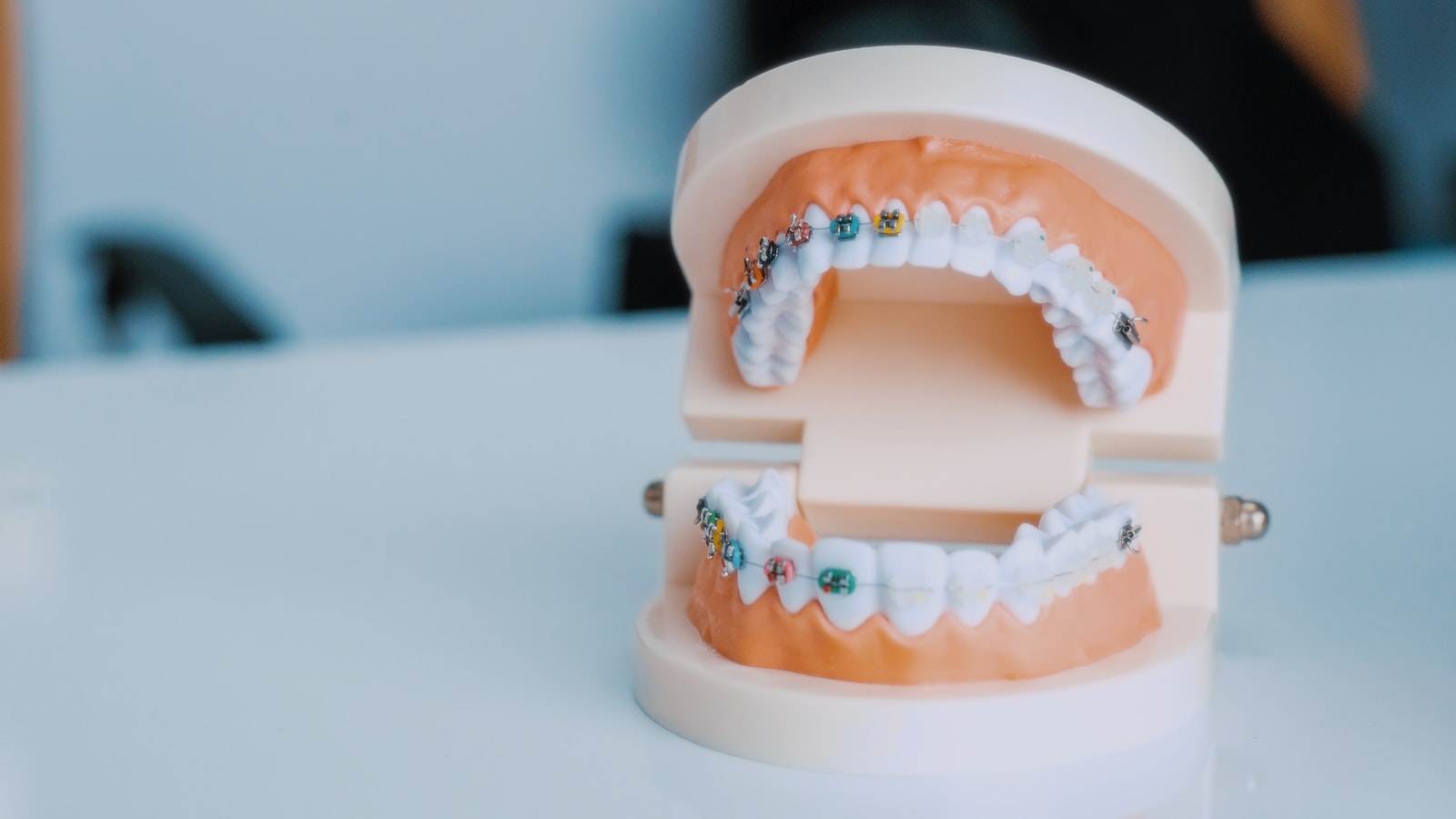
The materials also differ. Most modern veneers in Sydney are made from feldspathic porcelain or lithium disilicate (e.max). Composite resin veneers are also common at the lower end of the market. Crowns can be made from a wider range of materials including full ceramic (zirconia and e.max), porcelain fused to metal, and full metal alloys for back teeth. Ceramic crowns and porcelain veneers can match natural teeth so closely that the average patient cannot tell which tooth has been restored.
How the preparation appointment differs
For a veneer, the dentist removes a thin layer of enamel from the front of the tooth, takes an impression or digital scan, and fits a temporary veneer while the laboratory makes the final restoration. The whole appointment usually takes around 60 to 90 minutes per tooth.
For a crown, the dentist reduces the tooth on all surfaces, sometimes builds the tooth back up with a filling material if a lot of structure has been lost, takes an impression or scan, and fits a temporary crown. The appointment typically runs 90 to 120 minutes. If the tooth has had a root canal, a post and core may be placed first to support the crown.
What do crowns and veneers cost in Sydney?
Pricing varies between Sydney suburbs and between general dentists and prosthodontists. The table below sets out the typical fee ranges based on the most recent Australian Dental Association schedule and surveys of Sydney metropolitan clinics.
| Treatment | Typical Sydney price (per tooth) | ADA item family | What is included |
|---|---|---|---|
| Composite veneer (direct, same day) | $300 to $700 | 526, 556 | Single appointment, hand-sculpted by the dentist, no laboratory fee |
| Porcelain veneer (indirect, laboratory-made) | $1,500 to $2,500 | 578 | Two appointments, custom shade matching, laboratory fee included |
| Ceramic crown (zirconia or e.max) | $1,800 to $3,000 | 627 | Two appointments, full-coverage cap, laboratory fee included |
| Porcelain fused to metal crown | $1,500 to $2,500 | 615 | Strong option for back teeth, slightly less natural appearance at the gum margin |
| Full metal crown (gold alloy) | $1,700 to $3,200 | 625 | Usually reserved for molars, longest service record of any crown |
| Provisional crown (temporary) | $50 to $250 | 643 | Worn for 1 to 3 weeks while the final crown is made |
Two additional fees usually sit alongside the treatment cost. A comprehensive consultation and treatment plan (ADA item 011 or 012) is generally $80 to $180. Diagnostic images such as a periapical or bitewing X-ray (ADA item 022) are usually $40 to $80 each. For a multi-tooth case, a wax-up or digital smile preview (ADA item 088) may run $150 to $400.
For a six-veneer smile makeover, total fees in Sydney typically land between $9,000 and $15,000. A two-crown rehabilitation on a single back tooth that has had a root canal can run $3,500 to $5,500 once the endodontic treatment, core build-up, and crown are added together.
When a crown is the right answer
A crown is a restorative treatment first and a cosmetic treatment second. It is designed to protect a weakened tooth from fracture and to restore function. Clinical situations where a crown is almost always the better choice include:
- After a root canal on a back tooth. Teeth that have been treated endodontically become more brittle over time. Studies in the Journal of Endodontics show molars without crown coverage are around six times more likely to fracture in the first five years than those with a crown.
- Large existing fillings. When more than half the natural tooth has been replaced by filling material, the remaining walls flex under chewing forces and can split. A crown holds the tooth together.
- Cracked tooth syndrome. A crack that runs into the dentine cannot be reliably sealed with a filling or a veneer. A crown caps the tooth and prevents the crack from propagating.
- Severely worn teeth from grinding or acid erosion. When the height of the tooth has dropped by more than 1 to 2 mm, a crown rebuilds the lost structure. A veneer cannot.
- Cosmetic cases where the tooth is misshapen or undersized. Small, peg-shaped lateral incisors and severely worn front teeth often need crown coverage to look right.
When a veneer is the right answer
A veneer is a cosmetic treatment for teeth that are structurally healthy but visually compromised. Clinical situations where a veneer is usually the better choice include:
- Discolouration that does not respond to whitening. Tetracycline staining, fluorosis, and intrinsic stains from old root canal treatment can all be masked with a porcelain veneer.
- Minor chips or wear on the edge of a front tooth. A veneer rebuilds the edge without touching the back of the tooth.
- Small gaps between front teeth. Diastemas of up to 2 mm can usually be closed with veneers on the adjacent teeth.
- Slightly crowded or rotated front teeth where orthodontic treatment is not wanted. Veneers can mask minor misalignment, though larger rotations still benefit from clear aligners first.
- Multi-tooth aesthetic cases. When a patient wants to change the shape, length, and colour of six to eight front teeth at once, veneers preserve more natural tooth structure than crowns.
The grey zone: when either could work
Some teeth fall into a clinical grey zone where both a crown and a veneer would be technically defensible. The decision then comes down to long-term durability, tooth structure preservation, and budget. Common grey-zone scenarios include:
- A front tooth with a moderate-sized filling that has discoloured over time
- An older porcelain veneer that has chipped near the edge and now needs replacing
- A heavily stained front tooth from a previous root canal where the tooth structure is still strong
- A front tooth that has been built up with composite resin multiple times and keeps debonding
In these cases the general rule is that less tooth removal is better as long as the result will hold up. If a veneer would only cover 60% of the existing filling, a crown is usually the more predictable long-term option. If the existing tooth structure is largely intact, a veneer preserves more enamel and is easier to redo in 15 years if needed.

Three Sydney budget scenarios
The most common patient question after the clinical decision is "what should I expect to spend overall." Below are three realistic budget scenarios based on typical Sydney cases.
| Scenario | Treatment mix | Typical Sydney total |
|---|---|---|
| Single tooth fix | One porcelain veneer or one ceramic crown on a front tooth | $1,500 to $3,000 |
| Front-of-mouth refresh | Four to six porcelain veneers across the upper smile, plus consultation, X-rays, and a smile preview | $6,500 to $15,000 |
| Functional rebuild | Two ceramic crowns on back teeth (one after a root canal), plus core build-up and any necessary endodontic work | $3,500 to $6,500 |
Private health insurance major dental cover typically reimburses 30% to 60% of crown fees up to an annual limit of $1,200 to $2,500, when the crown is needed because of damage or decay. Cosmetic veneers are generally not reimbursed. Always request a written quote with item numbers before treatment so the health fund can confirm cover.
Lifespan: how long does each one last?
Restoration lifespan depends on the material, the patient's bite, and home care. The figures below come from long-term cohort studies and Australian clinical experience.
| Restoration | Typical lifespan | Most common failure |
|---|---|---|
| Composite veneer | 5 to 8 years | Edge chipping and staining at the bonding margin |
| Porcelain veneer | 10 to 15 years | Debonding or fracture at the incisal edge |
| Ceramic crown (zirconia or e.max) | 15 to 25 years | Decay at the crown margin under the gum |
| Porcelain fused to metal crown | 15 to 20 years | Porcelain chipping or a dark line at the gum |
| Full metal crown | 20 to 30 years | Decay at the crown margin in patients with high caries risk |
End-of-life for a veneer or crown does not usually mean the tooth is lost. In most cases the restoration is replaced with a new one. Crowns can be remade indefinitely if the underlying root is healthy. Veneers can be remade as long as the supporting tooth structure has not been damaged by decay or fracture.
How a Sydney dentist plans your crown or veneer treatment
A predictable result comes from planning, not from the laboratory. The treatment pathway below is the one followed at most well-run Sydney clinics, including the approach used at Lumi Dental.
Step 1: Comprehensive examination
A 45 to 60 minute appointment that includes intra-oral photos, a periapical X-ray of the teeth being treated, and an assessment of the bite, gum health, and any signs of grinding. Patients with a history of clenching may need a night guard before any cosmetic work begins.
Step 2: Diagnostic wax-up or digital smile preview
For multi-tooth cosmetic cases, the dentist works with a laboratory or uses a chairside digital system to mock up the proposed result. The preview is shown on a printed model or as an in-mouth trial smile so the patient can give feedback before any tooth preparation.
Step 3: Written quote and treatment plan
The clinic provides itemised pricing with ADA codes, expected appointment count, and the contribution that private health insurance is likely to make. This is the right moment to ask questions, get a second opinion, or step away from treatment.
Step 4: Preparation and provisional
The teeth are prepared under local anaesthetic, impressions or digital scans are taken, and temporary veneers or crowns are placed. Patients usually live in the temporaries for 1 to 3 weeks. This is also a useful trial period to test the new tooth length and shape before the final restoration is bonded.
Step 5: Final fit and review
The final restorations are checked for fit, colour, and bite before they are bonded. A follow-up review is usually scheduled 1 to 2 weeks later. A scale and clean every six months from there on is the single most effective way to protect both crowns and veneers long term.
Most common mistakes patients make
Three patterns come up repeatedly in second-opinion consultations.
Choosing veneers when a crown is needed. When a tooth has a large filling, a crack, or has had a root canal, a veneer will usually fail within a few years. The veneer cannot support a structurally compromised tooth and the patient ends up paying for the veneer plus the crown that should have been done in the first place.
Choosing crowns when veneers would have worked. The opposite mistake is just as common. A healthy front tooth with mild discolouration does not need to be ground down to a pencil shape and crowned. The result looks fine but the tooth has been over-treated and will be harder to manage if any future issue arises.
Skipping the bite assessment. Patients who grind their teeth at night will often fracture veneers or crowns within two to three years if they do not wear a night guard. The cost of a custom night guard ($600 to $900) is a small fraction of the cost of replacing a fractured cosmetic restoration.
Frequently asked questions
Are veneers cheaper than crowns?
Porcelain veneers are usually 10% to 30% cheaper than ceramic crowns of similar quality. Composite veneers are significantly cheaper than both. The right comparison is not just the headline price, though. A veneer placed on the wrong tooth may need replacing with a crown within a few years, so a more expensive crown is sometimes the better-value option from the start.
Will my health fund cover a crown or a veneer?
Most Australian private health funds with major dental cover contribute to crowns when they are clinically needed because of damage, decay, or a root canal. The contribution is typically 30% to 60% up to an annual limit. Veneers are usually classed as cosmetic dentistry and are not covered, although a small number of policies include limited cosmetic benefits.
Can I get a crown or veneer in one appointment?
Composite veneers are placed in a single appointment because they are hand-sculpted by the dentist using composite resin. Porcelain veneers and ceramic crowns are usually made in a laboratory across two appointments. Some Sydney practices use chairside CAD/CAM systems (such as CEREC) that can mill a ceramic restoration in one visit, but these are not yet standard everywhere.
Do crowns and veneers feel natural?
Both should feel natural after the first week. The tongue may notice the new tooth shape for a few days, especially if the length has changed. The bite is fine-tuned at the fit appointment so chewing feels comfortable.
Will my teeth feel sensitive after a veneer or crown?
Mild sensitivity to cold for one to two weeks after preparation is common. Persistent sensitivity past three weeks should be reviewed because it can indicate that the bite needs adjusting or that the underlying tooth nerve is irritated.
Can a veneer or crown be whitened?
No. Both porcelain veneers and ceramic crowns hold their colour and do not respond to whitening gels. This is why whitening is usually completed before veneer or crown shade matching, not after.
What happens if a veneer or crown breaks?
A debonded veneer can often be re-bonded if the porcelain is intact. A fractured veneer or crown needs to be replaced. A small chip on a porcelain veneer can sometimes be repaired with composite resin as a temporary measure. A cracked crown usually requires a new one within a few weeks because the underlying tooth is no longer sealed against bacteria.
Are crowns or veneers safer for the tooth long term?
From a tooth-preservation standpoint, veneers are less invasive because they remove much less natural tooth structure. From a structural-protection standpoint, crowns are stronger because they cover the entire tooth. The right answer depends on whether the tooth needs aesthetic enhancement or mechanical protection.
Next step
If you are weighing up crowns or veneers and want a clear, no-pressure assessment before committing to anything, the comprehensive examination at Lumi Dental in Melrose Park covers the full clinical assessment, intra-oral photos, X-rays where needed, and a written quote with ADA item numbers so you can check cover with your health fund. New patients can book through the new patient offer page.
For related reading, see the Dental Crown Cost in Sydney guide, the Porcelain Veneers Cost in Sydney guide, the Smile Makeover Cost guide, and the Composite Bonding vs Veneers comparison.


