


If you are pregnant or planning to be, dental care is one of the easiest health steps to put off and one of the most important not to. Around 60 to 75 percent of pregnant women in Australia will experience some form of pregnancy gingivitis, and untreated gum disease has been linked to preterm birth, low birth weight and pre-eclampsia. The good news is that dental treatment during pregnancy is safe, well-supported by the Australian Dental Association, and far more straightforward than most expectant parents expect.
This guide explains exactly what is safe at each trimester, what costs to expect under Medicare and private health in Sydney, how to manage morning sickness, gum changes and cravings without damaging your teeth, and which symptoms should prompt an urgent dental visit even during pregnancy.
Key Takeaways
- Routine dental care during pregnancy in Sydney is safe and recommended. The Australian Dental Association considers cleanings, fillings, extractions and emergency treatment safe when needed.
- The second trimester (weeks 14 to 27) is the most comfortable window for elective dental work, but urgent care should never be delayed.
- Modern dental x-rays deliver less than 5 microsieverts per image and are considered safe in pregnancy with a lead apron and thyroid collar, per the Australian Radiation Protection and Nuclear Safety Agency.
- Pregnancy gingivitis affects up to 75 percent of pregnant women due to hormonal changes. It usually resolves with a professional clean and improved home care.
- Local anaesthetic is safe during pregnancy. Anaesthetics containing felypressin should be avoided.
- Cosmetic procedures, including teeth whitening, are best deferred until after birth and breastfeeding.
- NSW residents on a Health Care Card may be eligible for free public dental care during pregnancy through NSW Health.
Is it safe to see a dentist during pregnancy?
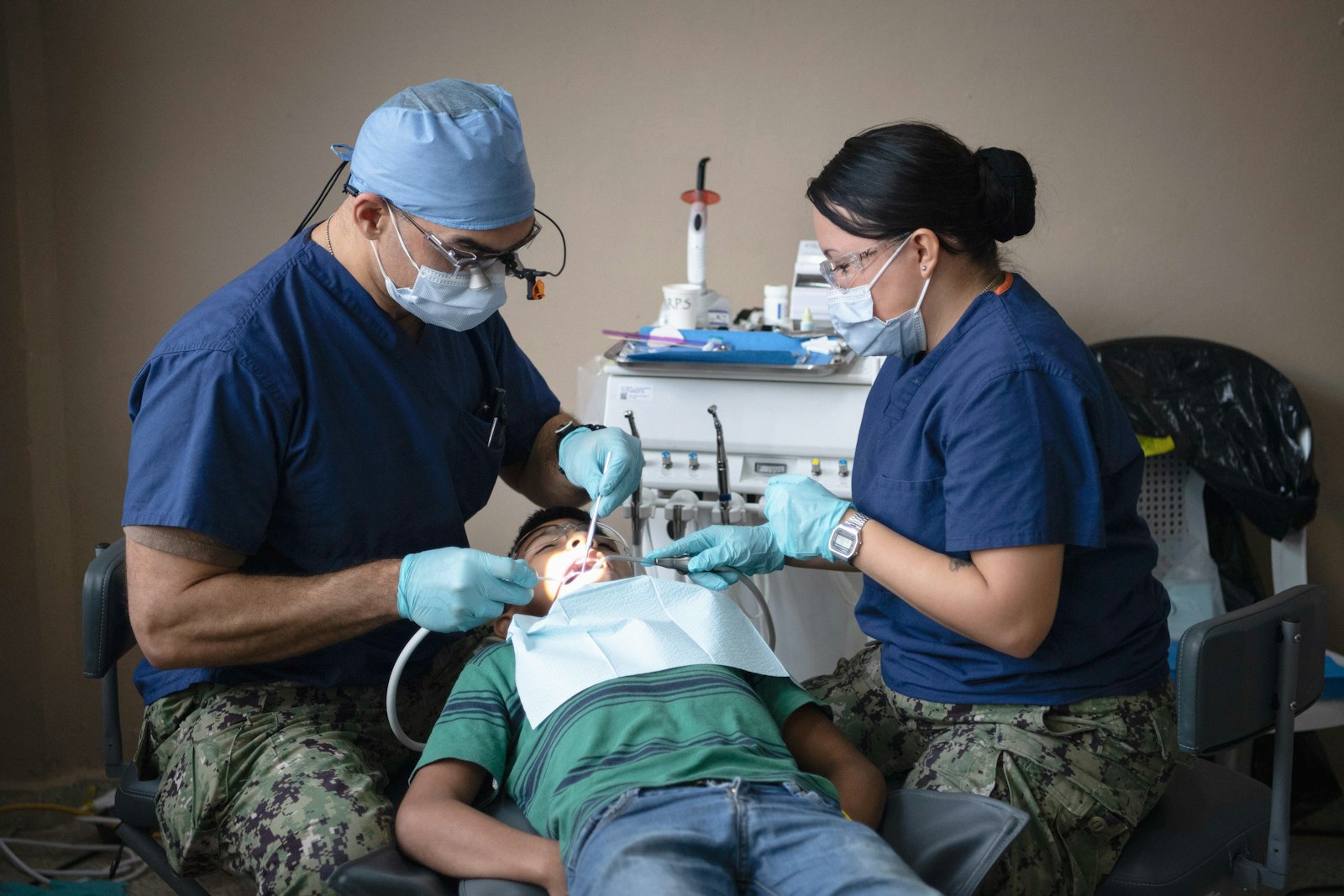
Yes. The Australian Dental Association (ADA), the Australian Government Department of Health and the Royal Hospital for Women in Sydney all confirm that routine and emergency dental care during pregnancy is safe. In fact, avoiding the dentist during pregnancy is riskier than going. Untreated dental infections can spread, raise inflammation across the body and have been associated with adverse pregnancy outcomes including preterm birth.
The most important step is to tell your dentist as early as possible that you are pregnant or trying to conceive. Sharing your due date, current trimester, any pregnancy complications, your obstetrician's details and a list of medications lets the dental team tailor each visit to you and your baby. Dentists are bound by confidentiality, so anything you share is private.
What is the best trimester for dental work?
You can see the dentist at any point during pregnancy. However, comfort and clinical convenience tend to peak in the second trimester. The table below summarises what most Sydney dentists recommend for each stage.
| Trimester | Best for | Usually deferred | Why |
|---|---|---|---|
| First (weeks 1 to 13) | Urgent treatment, examinations, prevention advice | Elective fillings, non-urgent extractions, elective x-rays | Organogenesis is occurring and nausea is at its peak. |
| Second (weeks 14 to 27) | Cleanings, fillings, root canals, extractions, most general dentistry | Major surgery if it can wait | Most comfortable for the patient and lowest theoretical risk to the baby. |
| Third (weeks 28 to 40) | Short visits, urgent care, hygiene appointments with extra cushioning | Long procedures, lying flat for extended periods, elective cosmetic work | Lying back can compress the inferior vena cava and cause dizziness or low blood pressure. |
If you are in the third trimester, ask your dentist to tilt your chair to a left lateral position and to schedule shorter, more frequent appointments rather than one long visit.
Are dental x-rays safe during pregnancy?
Modern digital dental x-rays use very low doses of radiation. A single bitewing or periapical x-ray exposes you to around 1 to 5 microsieverts, which is roughly equivalent to one to two days of natural background radiation in Sydney. The Australian Radiation Protection and Nuclear Safety Agency (ARPANSA) considers necessary dental x-rays safe during pregnancy when a lead apron with thyroid collar is used to shield the abdomen.
That said, most Sydney dentists follow the ALARA principle (As Low As Reasonably Achievable) and will avoid elective x-rays during the first trimester. Routine bitewings can usually wait until after birth. X-rays for an active infection, suspected fracture, or planning of urgent treatment should not be delayed, because the risks of untreated infection outweigh the very small theoretical risk of imaging.
Pregnancy and your gums: what changes and why
Rising oestrogen and progesterone amplify the gum tissue's response to dental plaque. Even a small amount of bacteria along the gumline can produce more swelling, redness and bleeding than it would outside of pregnancy. This is pregnancy gingivitis. It typically peaks between weeks 12 and 20, then gradually settles after birth as hormone levels normalise.
Signs include gums that bleed when you brush or floss, gums that look puffy or darker red than usual, mild soreness around the gumline, and occasionally a soft, raspberry-like lump on the gum between two teeth. That lump is called a pyogenic granuloma, sometimes referred to as a pregnancy tumour even though it is benign and almost always resolves after delivery.
Pregnancy gingivitis is reversible. Two professional cleans during pregnancy, ideally one early in the second trimester and one later in the third, combined with twice-daily brushing and daily flossing, prevents most cases from progressing to periodontitis. Severe untreated gum disease has been associated with preterm birth and low birth weight, so the cleans are worth scheduling even if your gums feel manageable at home.
Morning sickness and tooth enamel
Stomach acid has a pH around 1.5 to 3.5. Tooth enamel begins to dissolve below pH 5.5, which means even brief contact with vomit or reflux can soften the outer surface of your teeth. Brushing too soon after being sick is one of the most common ways enamel is permanently lost during pregnancy, because the bristles scrub away the softened surface layer.
The protocol most Sydney dentists recommend after morning sickness or reflux:
- Rinse your mouth with plain tap water, or with a teaspoon of bicarbonate of soda dissolved in a glass of water, to neutralise acid.
- Do not brush for at least 30 to 60 minutes.
- While you wait, smear a small amount of fluoride toothpaste over your teeth with a clean finger, then leave it without rinsing.
- If you are out, chew sugar-free gum to stimulate saliva flow.
- When you do brush, use a soft toothbrush and gentle pressure.
- If you have severe hyperemesis gravidarum, ask your dentist about a custom-fitted neutralising tray.
What dental treatments are safe during pregnancy?
Most general dental care is safe in pregnancy with appropriate precautions. The list below summarises what is supported by current Australian guidelines.
| Treatment | Safety during pregnancy | Notes |
|---|---|---|
| Examination, hygiene clean and scale | Safe in any trimester | Aim for at least one clean during pregnancy. |
| Composite fillings | Safe, ideally second trimester | Modern composite is mercury-free. |
| Local anaesthetic (lignocaine with adrenaline) | Safe | Avoid felypressin-based anaesthetics. |
| Root canal treatment | Safe when needed | Better to treat than leave an infection. |
| Tooth extraction | Safe, ideally second trimester | Wisdom teeth removal usually deferred unless infected. |
| Antibiotics if needed | Pregnancy-safe options exist | Penicillins and cephalosporins generally considered safe. Tetracyclines avoided. |
| Pain relief | Paracetamol is first line | Ibuprofen and other NSAIDs avoided after 20 weeks per TGA guidance. |
| Teeth whitening | Defer until after pregnancy and breastfeeding | No evidence of harm, but no evidence of safety either. |
| Elective veneers, crowns, orthodontics start | Defer if possible | Long appointments, multiple x-rays. Existing braces can continue. |
| Dental implants | Defer until after birth | Multiple x-rays and surgical phase usually wait. |
Mercury fillings and pregnancy
The Australian Dental Association advises against placing or removing amalgam (silver) fillings during pregnancy and breastfeeding as a precaution. If you have an existing amalgam filling that is intact, the consensus is to leave it in place. Disturbing it releases more mercury vapour than leaving it. New fillings during pregnancy should be composite or glass ionomer, both of which are mercury-free.
What does dental care during pregnancy cost in Sydney?
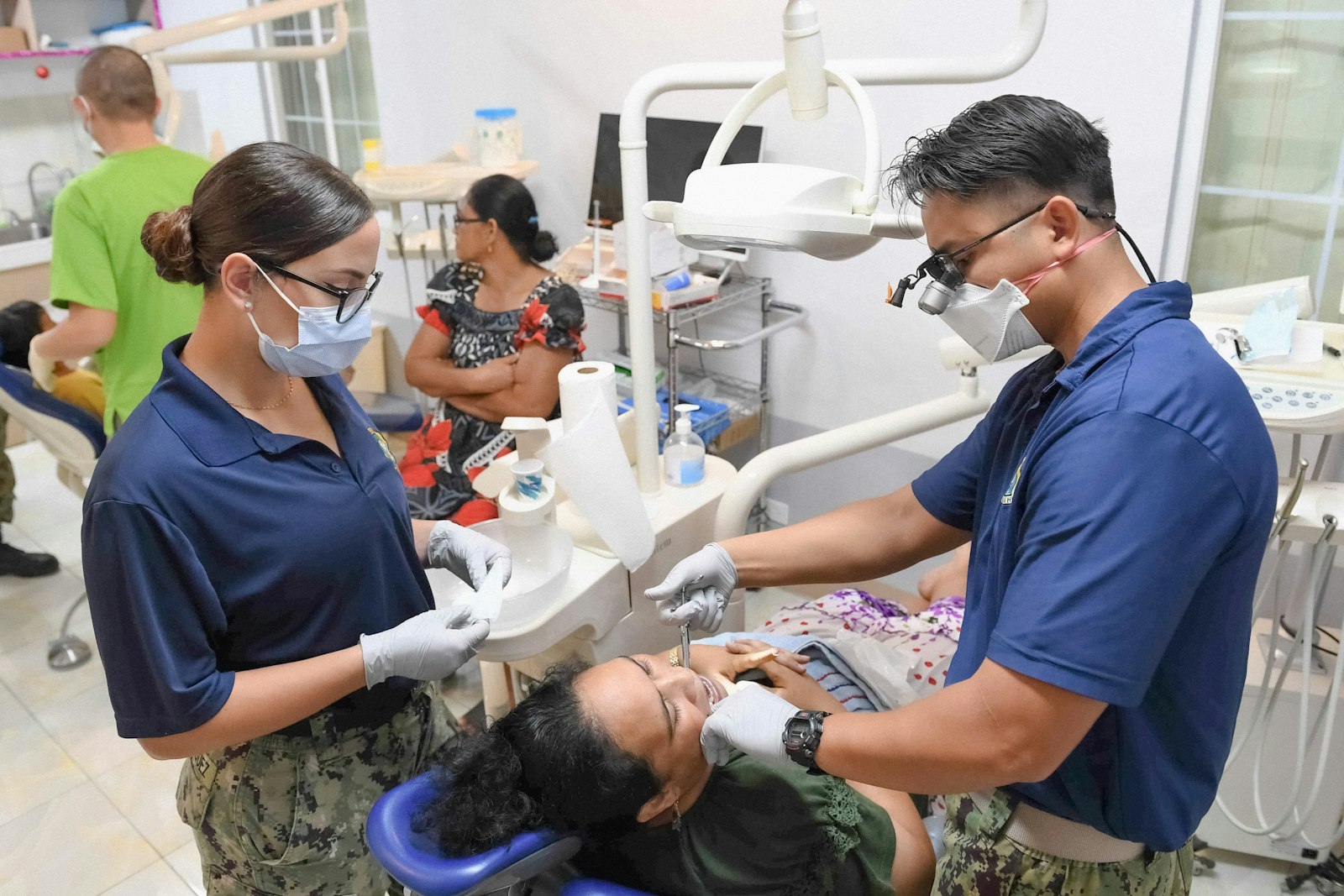
Costs vary by clinic, complexity and whether you have private health cover. The ranges below reflect typical fees across Sydney for 2026, based on the most recent ADA fee survey and common private health rebates. ADA item numbers are included so you can compare quotes line by line.
| Treatment | ADA item code | Typical Sydney fee |
|---|---|---|
| Comprehensive oral exam | 011 | $70 to $110 |
| Scale and clean (per visit) | 114 + 121 | $190 to $290 |
| Single bitewing x-ray (each) | 022 | $40 to $70 |
| Fluoride application | 121 | $45 to $70 |
| Composite filling (small to medium) | 521 to 523 | $210 to $380 |
| Root canal therapy (per appointment) | 415 to 418 | $350 to $1,200 |
| Simple extraction | 311 | $220 to $400 |
| Surgical extraction | 314 to 322 | $380 to $1,200 |
Public dental access in NSW during pregnancy
If you hold a Health Care Card, Pensioner Concession Card or low-income Health Care Card, NSW Health offers free dental care through the Oral Health Service. Pregnant women are recognised as a priority group, which usually means shorter waitlists for cleans, fillings and emergency treatment. Call Oral Health Service Sydney on 1800 679 336 or visit your nearest community oral health clinic. Bring your card, proof of pregnancy (referral from your GP or midwife) and your Medicare card.
Private health insurance
Most extras policies cover 60 to 100 percent of the exam, clean, fluoride and bitewing combination as preventive dentistry. Annual limits typically reset on 1 January or 1 July. If you are due to have your second pregnancy clean late in the year, scheduling either side of the reset can stretch your limit further. Check your "preventive" and "general dental" sub-limits before booking.
Pain relief and antibiotics during pregnancy
Pain in pregnancy is best managed with paracetamol at standard adult dosing. The Therapeutic Goods Administration and Royal Australian and New Zealand College of Obstetricians and Gynaecologists advise avoiding ibuprofen and other non-steroidal anti-inflammatory drugs (NSAIDs) from 20 weeks onward, due to a risk of premature closure of the ductus arteriosus and reduced amniotic fluid.
If your dentist diagnoses an infection requiring antibiotics, penicillins (amoxicillin), cephalosporins and clindamycin are generally considered safe in pregnancy. Tetracyclines such as doxycycline are avoided because they can stain the developing baby's teeth and affect bone growth. Always tell the prescribing dentist that you are pregnant and how far along you are.
Diet, cravings and tooth decay risk
Many pregnant women crave sweet, acidic or carbohydrate-rich foods, and snack more frequently to manage nausea. Each acid or sugar exposure drops the pH in the mouth for around 20 to 40 minutes. Frequent grazing across the day keeps the mouth in an acidic state for hours, which accelerates decay even if total sugar intake has not changed.
Practical strategies that protect teeth without changing your appetite:
- Choose tap water over flavoured or sparkling water between meals. Sydney tap water is fluoridated.
- Pair sweet snacks with a protein or cheese to neutralise acid faster.
- If you need to snack frequently, finish each snack with a few sips of plain water.
- Carry sugar-free gum or pastilles containing xylitol to stimulate saliva flow.
- Avoid sipping juice, soft drink or sweet tea slowly over hours.
- Keep a small toothbrush in your bag, but remember the 30 to 60 minute rule after acid exposure.
When dental symptoms become urgent during pregnancy
Some symptoms should prompt a dental visit within 24 to 48 hours, even in the first or third trimester. Untreated infection presents a greater risk than treatment in any trimester.
- Facial swelling on the cheek, jaw or under the eye, especially with fever. This may indicate a spreading dental abscess and is a medical emergency.
- Severe, throbbing toothache that disturbs sleep or does not respond to paracetamol.
- A broken or fractured tooth with sharp edges or exposed nerve.
- Persistent bad taste or pus coming from around a tooth or gum.
- A lump in the mouth that grows, ulcerates or bleeds heavily.
- Gum bleeding so heavy you cannot brush at all.
If you cannot reach a dentist out of hours and you have facial swelling, fever or difficulty swallowing, present to your nearest hospital emergency department. Sydney emergency dental options include the Sydney Dental Hospital (24 hour triage) and your local hospital ED for systemic concerns.
Preparing for pregnancy: a pre-conception dental checklist
If you are still planning, the ideal time to address dental issues is before conception. A pre-pregnancy dental visit lets you complete any treatment that would otherwise be deferred, and reduces the chance of urgent treatment during pregnancy.
- Comprehensive exam with a full set of bitewing x-rays.
- Treat any active decay or failing fillings before conception.
- Address any cracked, painful or symptomatic teeth.
- Remove problematic wisdom teeth if they have a history of swelling or infection.
- Get a hygiene clean and start a daily flossing routine if you are not already.
- Complete any planned orthodontic phases or postpone the start.
- Discuss any cosmetic plans (whitening, veneers) and time them around pregnancy.
After the baby arrives: postnatal dental care
Postnatal dental check-ups are easy to forget but worth scheduling. Hormonal shifts continue into the first few months of breastfeeding, and morning-sickness erosion and snack patterns during pregnancy may have left lingering issues that only surface later. Most dentists recommend a clean and exam around 8 to 12 weeks postnatal.
Local anaesthetic, fluoride, paracetamol, and most pregnancy-safe antibiotics are also safe during breastfeeding. Teeth whitening is generally deferred until after weaning, again due to the absence of safety data rather than evidence of harm.
A note on your baby's teeth: bacteria that cause decay (mainly Streptococcus mutans) can transfer from your mouth to your baby's through shared spoons, dummies or pre-chewed food. Keeping your own mouth healthy reduces the bacterial load your baby is exposed to and is one of the most evidence-supported things you can do for their long-term oral health.
Frequently asked questions
Can I have a dental cleaning while pregnant?
Yes. A scale and clean is safe in any trimester and recommended at least once during pregnancy, ideally twice. Cleanings help control pregnancy gingivitis and reduce the risk of preterm birth associated with severe untreated gum disease.
Are dental x-rays safe in the first trimester?
Necessary x-rays for diagnosing infection or trauma are considered safe in any trimester with a lead apron and thyroid collar. Most dentists will defer routine bitewings until after birth or to the second trimester, simply because they can wait.
Can I have a tooth extraction while pregnant?
Yes. Simple and surgical extractions can be performed safely, with the second trimester being the most comfortable window. Wisdom teeth removal is usually deferred unless there is an active infection or significant pain.
Is it safe to have a filling while pregnant?
Composite (white) fillings are safe in pregnancy. Amalgam (silver) fillings are avoided during pregnancy and breastfeeding as a precaution. Local anaesthetic for the filling is safe, with the exception of anaesthetics containing felypressin.
What painkillers can I take for toothache when pregnant?
Paracetamol at standard adult dosing is the first-line pain relief in pregnancy. Ibuprofen and other NSAIDs should be avoided from 20 weeks of pregnancy onward. If paracetamol is not controlling your pain, see your dentist rather than escalate to NSAIDs.
Can I whiten my teeth during pregnancy?
Teeth whitening is best deferred until after birth and breastfeeding. There is no evidence that whitening harms a developing baby, but there is also no evidence confirming it is safe. Most Sydney cosmetic dentists will book your whitening appointment for after weaning.
Does pregnancy really make my teeth weaker?
Pregnancy itself does not weaken teeth or pull calcium out of them. The popular saying "a tooth for every baby" is a myth. What does change is the environment of the mouth (hormones, acids, cravings, snacking patterns) and the risk of pregnancy gingivitis. With good care, your teeth and gums should be just as healthy after pregnancy as before.
What is a pregnancy tumour or epulis?
A pyogenic granuloma (pregnancy tumour or pregnancy epulis) is a benign, raspberry-like lump on the gum that can develop in the second or third trimester. It almost always resolves after birth as hormone levels fall. Your dentist will monitor it, gently clean around it, and only consider removal if it bleeds heavily or interferes with eating.
Is breastfeeding the same as pregnancy for dental treatment?
Most dental treatments, anaesthetics and pregnancy-safe antibiotics are also safe during breastfeeding. The main exception remains teeth whitening, which is generally deferred until after weaning.
How Lumi Dental approaches pregnancy care
Lumi Dental, opening in Melrose Park in July 2026, will offer dedicated antenatal and postnatal dental visits with longer appointments, supportive cushioning for the third trimester, and a written summary of treatment for your obstetrician or midwife. Dr James Tran is a registered general dentist (AHPRA DEN0001934469) and a member of the Australian Dental Association. The clinic accepts all major private health funds via on-the-spot HICAPS rebates and is registered for the NSW public dental voucher scheme.
If you are currently pregnant or planning, you can book a pre-conception or antenatal exam by visiting the new patient offer page, or read more about general preventive care in our guides on gum disease in Sydney, bad breath causes and treatment, and sensitive teeth in Sydney.
This article is general information only and not a substitute for individual clinical advice. Always discuss treatment options with a registered dentist or your obstetric care team.


