
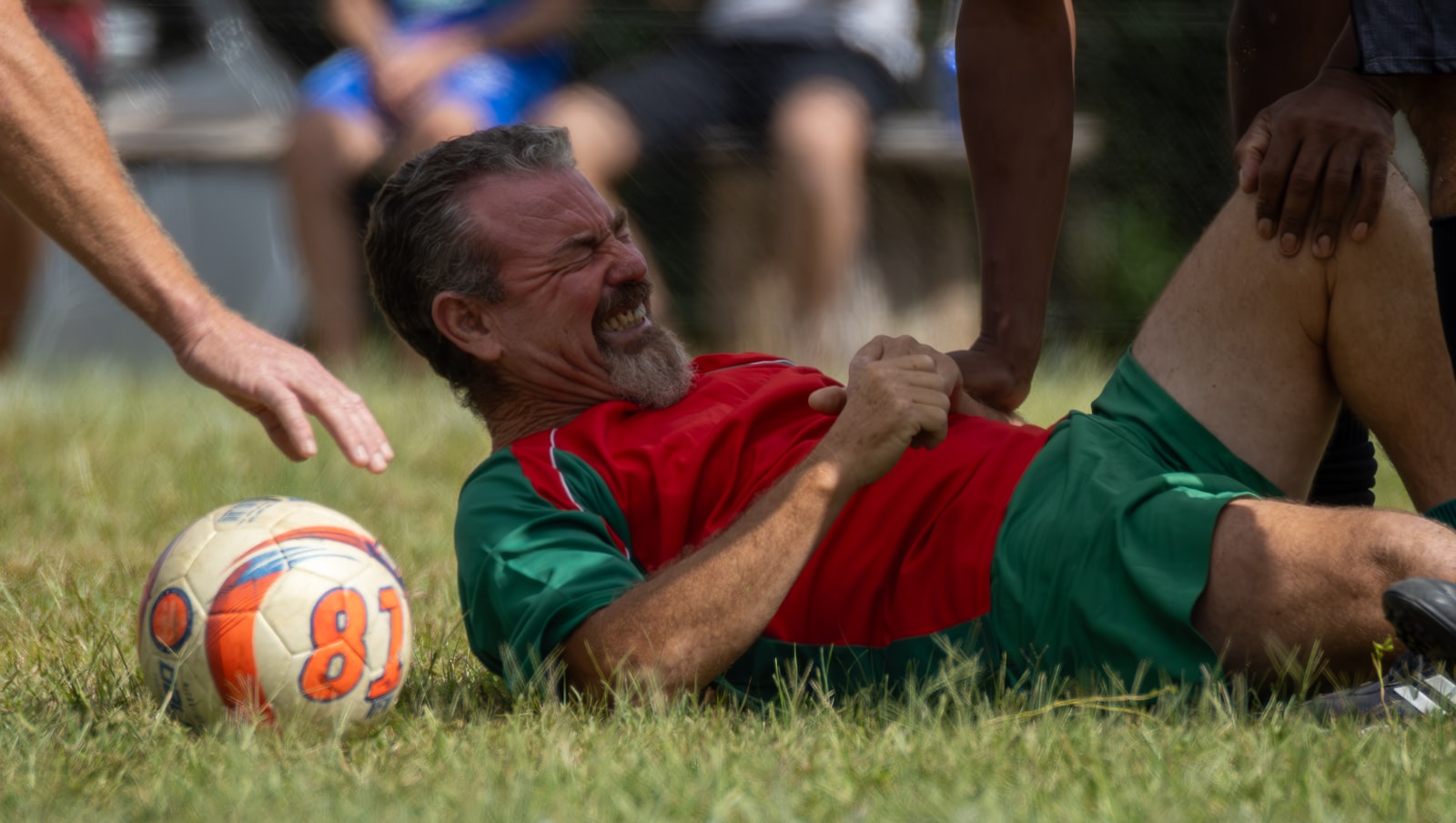

A knocked out tooth is one of the few dental events where every minute genuinely changes the outcome. If a permanent tooth is back in its socket within fifteen minutes, the chance of long term survival is high. After sixty minutes outside the mouth, most of the cells that hold the tooth in place are dead, and the road back becomes much longer and more expensive.
At a Sydney tertiary hospital, 11.1% of all permanent tooth avulsion cases came from organised sport, with falls, fights and motor vehicle incidents making up most of the rest. Across Australia, around 6% of people will sustain a traumatic dental injury at some point, and schoolboy rugby players in one Australian study reported dental injuries as the most common type they had during a season.
This guide walks through exactly what to do in the first ten minutes after a tooth gets knocked out, the storage options ranked from best to worst, the appointment that follows, and what it can cost to put things right in Sydney. If you are reading this in an actual emergency, skip ahead to the six-step first aid section below.
Key takeaways
- Replant a permanent tooth within 15 minutes for the best chance of long term success. After 60 minutes outside the mouth, periodontal ligament cells are usually no longer viable.
- Only hold the tooth by the crown (white part). Never touch the root, never scrub, and never use soap or alcohol to clean it.
- If you can put the tooth back in the socket yourself, do that. If not, store it in cold milk, the person's own saliva, or Hank's Balanced Salt Solution. Never store a tooth in tap water.
- Do not try to replant a baby tooth. Replanting a primary tooth can damage the developing adult tooth underneath.
- See a dentist or hospital emergency department immediately, ideally within 30 minutes. The Australian Dental Foundation emergency line is 0407 111 117.
- Custom sports mouthguards can prevent most sport related avulsions and cost a fraction of replantation, root canal and crown follow up treatment.
The 30-minute rule and why every minute counts
When a tooth is knocked out of its socket, the periodontal ligament cells on the root surface are exposed to air. These cells are what allow the tooth to reattach to the bone once it is replanted. After about 30 minutes of dry time, most of these cells lose the ability to survive. After 60 minutes, the International Association of Dental Traumatology guidelines treat the tooth as having a non-viable ligament, which significantly changes the long term outlook.
The 2020 IADT guidelines for avulsed permanent teeth sort cases into three groups based on what happens to those ligament cells:
- Replanted immediately or within 15 minutes the ligament cells are mostly alive. Best chance of long term success.
- Stored in an acceptable medium with less than 60 minutes total dry time cells may still be viable but compromised. Replantation is still worthwhile.
- More than 60 minutes of dry time cells assumed non-viable. The tooth can still be replanted, but root resorption and ankylosis are more likely over time.
This is why the first thing to do, before calling anyone, is to put the tooth back in its socket if it is safe to do so. The mouth is the best storage medium that exists.
Knocked out tooth first aid: 6 steps to take right now
Step 1: Find the tooth and pick it up by the crown
The crown is the white, smooth part you normally see. The root is the yellowish, pointed part. Never touch the root. Touching it can damage the delicate ligament cells that you need to keep alive.
Step 2: Rinse if it is dirty, but do not scrub
If the tooth is contaminated with dirt or sand, hold it by the crown and briefly rinse it under cold milk or saline for a few seconds. Do not use soap, alcohol, antiseptic, or tap water. Do not dry the tooth with a tissue or paper towel, and do not scrub the root with a brush, cloth or fingernail.
Step 3: Try to put the tooth back in the socket
If the person is conscious and cooperative, gently slide the tooth back into the empty socket with the root going in first. Line it up with the neighbouring teeth and push it in firmly with finger pressure. Bite down on a clean handkerchief, tea towel or gauze to hold it in place.
This step is the single biggest predictor of long term success. The mouth keeps the ligament cells alive better than any container.
Step 4: If you cannot replant, choose the right storage medium
Use whichever of the following options is closest to hand, ranked from best to worst:
- Hank's Balanced Salt Solution (sold in pharmacies as Save-A-Tooth or similar)
- Cold milk (UHT or fresh, full cream or skim, in a small clean container)
- The person's own saliva (between the cheek and gum if they are old enough not to swallow it, or spat into a container)
- Sterile saline (contact lens saline works)
Never store an avulsed tooth in tap water. Water causes the ligament cells to swell and burst within minutes, even though the tooth still looks fine.
Step 5: Control bleeding from the socket
Have the injured person bite firmly on a clean cloth, handkerchief or gauze for 10 to 15 minutes. Most socket bleeding settles in that window. If there are also lip, gum or cheek cuts that will not stop, the same firm direct pressure helps.
Step 6: Call a dentist or go straight to an emergency department
Ring the nearest emergency dentist or go to your nearest hospital emergency department. Aim to be in front of a dentist within 30 minutes. After hours, the Australian Dental Foundation emergency hotline is 0407 111 117. If the injury involved a head strike, loss of consciousness, vomiting, or significant facial bleeding, call 000 first.
Storage media for an avulsed tooth, ranked
The single biggest variable that affects whether a replanted tooth survives is the storage medium during transport. Here is what the evidence actually shows, ranked from best to worst:
| Storage medium | How well it preserves ligament cells | Where to find it |
|---|---|---|
| Replanted in the socket | Best possible. The mouth is the ideal environment. | You. Right now. |
| Hank's Balanced Salt Solution (Save-A-Tooth kit) | Excellent. Designed for this purpose. Some pharmacies and sports clubs stock it. | Larger pharmacies, sports first aid kits, some schools. |
| Cold milk | Very good. Widely available and the osmolarity is close to the natural environment of ligament cells. | Fridge, milk bar, service station. |
| Saliva | Good. Either keep the tooth in the mouth (between cheek and gum) or spit into a clean container. | The injured person. |
| Sterile saline | Acceptable for short transport. Contact lens saline is easiest to find. | Bathroom cabinet, pharmacy. |
| Tap water | Poor. Causes ligament cells to swell and burst. Only use if absolutely nothing else is available, and aim to keep transport under 30 minutes. | Last resort only. |
| Dry storage (tissue, pocket, wrapped in cloth) | Worst. Dry time over 30 minutes effectively ends ligament cell viability. | Never store an avulsed tooth dry. |
What causes a knocked out tooth in Sydney
An Australian retrospective review of avulsion cases at a major Sydney tertiary hospital found four main mechanisms behind permanent tooth avulsions:
- Falls the largest single cause, especially in younger children and older adults.
- Organised sport 11.1% of cases. Football codes, basketball, hockey and combat sports were over represented.
- Assault and altercation a meaningful share, particularly in older teenagers and young adults.
- Motor vehicle and bicycle incidents relatively rare for avulsion specifically but common for other dental trauma.
Local context matters too. Junior rugby league and rugby union clubs across Ryde, Marsfield, Eastwood and the broader Hills area run from around six years old, and games go year round once you include training. Basketball at Ryde Eastwood Hawks, junior AFL at North Shore clubs, hockey at Pennant Hills and netball across the Ryde Eastwood district all carry a real, if smaller, avulsion risk. The good news is that the majority of sport related dental trauma is preventable with a properly fitted mouthguard. The unfortunate news is most kids are not wearing one outside grand finals.
Baby teeth (primary teeth) are different
If a baby tooth is knocked out, do not try to put it back in the socket. Replanting a primary tooth can damage the developing permanent tooth that is forming in the bone underneath. Instead:
- Find the tooth and store it in milk, mainly so the dentist can confirm whether the whole tooth came out or just part of it.
- Apply gauze and gentle pressure to the socket to stop bleeding.
- Comfort the child and book a dental review within 24 hours.
The dentist will check the socket for retained root fragments, confirm no permanent tooth has been damaged, and may take an X-ray. The gap left by an early lost baby tooth is rarely a problem unless it happens years before the adult tooth is due to come through.
What happens at the dental appointment
An adult permanent tooth that has been replanted (or arrives in milk) will go through a fairly standard sequence at the dental visit:
Step 1: Clinical and radiographic check
The dentist confirms the tooth is correctly positioned in the socket, takes one or more X-rays to check root and bone alignment, and rules out a jaw fracture, root fracture, or other dental injuries to nearby teeth.
Step 2: Flexible splint for 1 to 2 weeks
A thin flexible wire or fibre splint is bonded to the replanted tooth and the two teeth on either side. This stabilises the tooth while the periodontal ligament reattaches. A non-rigid splint is preferred because some natural micro-movement during healing reduces the risk of ankylosis (where the tooth fuses directly to the bone).
Step 3: Antibiotics and a tetanus check
Most patients are prescribed a course of antibiotics (commonly doxycycline or amoxicillin, depending on age and allergies) to reduce the risk of root surface infection. If the injury involved soil contamination and the tetanus booster is out of date, a tetanus shot is recommended.
Step 4: Root canal treatment, usually within 7 to 14 days
For most adult replanted teeth with closed apices (the root tip is fully formed), root canal treatment is started within one to two weeks. Doing this proactively prevents inflammatory root resorption, which is one of the main long term failure modes after avulsion. For young patients with open apices, the dentist may try to preserve the pulp first because there is a real chance the nerve will recover.
Step 5: Splint removal and review
The splint comes off at the 1 to 2 week review. Further follow up checks happen at 3 months, 6 months, and then annually. The dentist watches for replacement resorption (ankylosis) and surface resorption with regular X-rays.

What it costs to treat a knocked out tooth in Sydney
Total cost depends heavily on the time the tooth was out of the mouth, whether replantation works, and whether the tooth needs to be replaced down the track with a bridge or implant. Here is the typical fee range across the treatment ladder, including the relevant ADA item codes.
| Stage of care | ADA item code | Typical Sydney fee | What you get |
|---|---|---|---|
| After hours emergency consultation | 011 / 014 | $150 to $300 | Examination, X-ray, immediate first aid. |
| Periapical X-ray (per film) | 022 | $45 to $80 | One or two films to check root and bone position. |
| Replantation and flexible splint | 388 / 391 | $250 to $600 | Tooth replanted, splinted to adjacent teeth. |
| Splint removal and review | 014 | $80 to $150 | Removing the bonded splint at 1 to 2 weeks. |
| Root canal treatment (front tooth) | 415 / 416 / 417 | $1,500 to $2,500 | Cleans the canal, prevents inflammatory resorption. |
| Full porcelain crown (if needed) | 615 | $1,800 to $2,500 | Restores strength to a heavily compromised tooth. |
| Annual follow up review and X-ray | 012 / 022 | $120 to $200 | Watches for late root resorption or ankylosis. |
| If the tooth eventually fails: extraction | 311 | $200 to $400 | Simple removal, sometimes with bone grafting. |
| Replacement with single dental implant + crown | 684 / 688 / 672 | $5,500 to $7,500 | Titanium implant, abutment, crown. |
A best case scenario, where the tooth survives long term, runs around $2,200 to $3,500 (emergency visit, replant, root canal, splint removal). A worst case scenario, where the tooth eventually fails and is replaced with an implant, can total $8,000 to $11,000 over five to ten years.
Cost of prevention versus cost of failure
The single most expensive part of avulsion treatment is what comes after the tooth itself fails. Compare the price of preventing a knocked out tooth in the first place against the cost of replacing it once it is gone:
| Prevention or treatment step | Typical cost | Multiple of prevention |
|---|---|---|
| Custom fitted sports mouthguard (lasts 2 to 3 seasons) | $180 to $300 | 1x |
| Boil and bite mouthguard from a sports store | $20 to $60 | 0.2x |
| Bicycle helmet (reduces facial trauma) | $60 to $150 | 0.3x |
| Emergency dental visit + replantation + splint | $500 to $1,000 | 3x to 5x |
| Replantation + root canal + crown (full repair) | $3,500 to $5,500 | 15x to 30x |
| Extraction + bridge (3 unit, replaces failed tooth) | $4,500 to $6,500 | 20x to 35x |
| Extraction + dental implant + crown | $5,500 to $7,500 | 25x to 40x |
For a junior playing weekend rugby league, a properly fitted custom mouthguard costs less than one match day fee per month and lasts two to three seasons. That is, on the maths above, roughly a thirtieth of the cost of replacing a tooth that did not need to be lost in the first place.

Long term outlook after replantation
A successfully replanted tooth can last decades, but it is not the same biological situation as the original tooth. Three things can happen over the long term:
- Surface resorption small areas of root surface are resorbed but healed over by the body. Generally harmless and the tooth functions normally.
- Inflammatory resorption caused by bacteria from a necrotic pulp. Preventable with timely root canal treatment, which is why root canals are usually started within two weeks of a replantation.
- Replacement resorption (ankylosis) the tooth fuses directly to the bone and is gradually replaced by bone over months to years. More likely after longer dry times. This is the main reason why long replantation delays produce a tooth that may only last five to ten years before needing replacement.
The dentist watches for these patterns at the follow up X-rays. If ankylosis is progressing and the tooth is in a young person whose face is still growing, decompression treatment or planned extraction with an implant later can be considered. In adults whose growth has finished, an ankylosed tooth can often stay in place comfortably for many years.
The most common mistakes after a knocked out tooth
Patients arriving at the surgery after a knocked out tooth often have done one or more of these. None of them are catastrophic, but each one can chip away at the chances of long term success.
Storing the tooth in tap water. Water destroys ligament cells faster than dry storage in some cases. Always milk, saliva, saline or HBSS.
Scrubbing the root clean. The root surface holds the cells the dentist needs. Brief rinse only, never a scrub.
Waiting until the next morning because it does not hurt. Avulsed teeth often do not hurt much immediately because the nerve is severed. The window for replantation is still 30 to 60 minutes, even if the person feels fine.
Trying to replant a baby tooth. This can damage the developing adult tooth in the bone. Save the tooth in milk and book a dental review, but do not push it back into the socket.
Drying the tooth on a tissue. Wrapping a knocked out tooth in dry tissue or kitchen roll is one of the most common, and most damaging, mistakes. Always keep the tooth wet.
Frequently asked questions
How long can a tooth survive outside the mouth?
A permanent tooth replanted within 15 minutes has the highest chance of long term success. Stored in an appropriate medium like milk or HBSS, it remains viable up to about 60 minutes of total time out of the socket. After that the ligament cells are usually no longer alive, which does not mean the tooth cannot be replanted but does change the long term outlook.
Should I rinse a knocked out tooth?
Only if it is visibly contaminated with dirt or sand, and only with cold milk, saline or briefly with tap water. Hold it by the crown, do not scrub the root, and never use soap, alcohol or antiseptic.
Can a tooth grow back after being knocked out?
An adult tooth that is fully knocked out cannot grow back on its own, and it cannot be regrown. The treatment is to replant the original tooth in its socket as quickly as possible, or, if the tooth cannot be saved, to replace it with a bridge or dental implant later.
Will Medicare or private health cover a knocked out tooth?
Medicare does not cover most adult dental treatment. Children aged 0 to 17 in eligible families can claim up to $1,132 over two calendar years through the Child Dental Benefits Schedule, which can cover the emergency visit, X-rays, and some follow up treatment. Private health extras cover varies. Most policies reimburse a portion of emergency visits, root canal treatment and crowns, with annual limits that often run out for a full course of trauma treatment.
What if the tooth is chipped or broken but still in place?
If a piece of the tooth has broken off, find the fragment if you can and store it in cold milk. The dentist may be able to bond the fragment back on, particularly for clean fractures of front teeth. Same urgency rules apply: see a dentist the same day.
Can I use Save-A-Tooth or HBSS at home?
Yes. HBSS kits (Save-A-Tooth) are available at larger pharmacies and through sports first aid suppliers. Families whose kids play contact sport regularly often keep one in the sports bag alongside ice and strapping tape. The kit has a shelf life of around 2 years and is the best available storage medium outside the mouth.
What if it happened more than an hour ago?
Still see a dentist. Replantation can still be worthwhile for cosmetic and bone preservation reasons even after the ligament cells have died. The long term plan may shift toward eventual replacement with an implant, but keeping the tooth in the socket in the short term often gives a better gum and bone result down the line.
How do I prevent this from happening again?
A custom fitted sports mouthguard reduces avulsion risk substantially in contact sport. For everyone, addressing untreated cavities and gum disease helps because weakened teeth are more prone to trauma. For older adults with night grinding or restored front teeth, a night guard can reduce the chance of fracture that mimics avulsion. Helmets reduce risk on bicycles, scooters, skateboards and motorbikes.
Talk to Lumi Dental
If you or your child has had a tooth knocked out, the most important step is getting in front of a dentist quickly. Lumi Dental will open at Melrose Park on 1 July 2026 and will offer same day emergency assessment for dental trauma, including replantation, splinting and follow up planning. Dr James Tran can also fit custom sports mouthguards for junior and adult contact sport players across Ryde, Eastwood, Marsfield, North Ryde and the surrounding suburbs.
For more on related topics, see our guides to sports mouthguards in Sydney, the step-by-step dental emergency guide, the cracked tooth syndrome guide, and root canal treatment in Sydney.


