

About 32 percent of Australian adults over the age of 15 have at least one tooth with untreated decay, and the figure for children aged 5 to 14 sits at 26 percent. Among 7 and 8 year olds, almost one in three has a cavity that has not been treated. By the time most Australians reach adulthood, fewer than 1 in 9 have never had a filling. Tooth decay is the most common preventable chronic disease in the country.
Cavities are not a moral failing. They are a slow biological process that follows predictable rules, and they respond well to early intervention. The difference between catching decay at the white spot stage and catching it after it has entered the nerve can be the difference between a 50 dollar fluoride application and a root canal plus crown that runs past 3,500 dollars.
This guide explains how cavities actually form, what causes them, how to prevent them with evidence-based steps, and what treatment costs in Sydney across every stage. If you live in Ryde, Melrose Park or the surrounding suburbs and you have been putting off a check-up, the maths in this article is the reason most dentists ask you to come in twice a year.

Key Takeaways
- About 1 in 3 Australian adults has at least one cavity going untreated right now, according to AIHW data.
- Cavities form when oral bacteria turn sugar into acid that dissolves tooth enamel. The process is slow, silent in its early stages, and largely preventable.
- Brushing twice a day with fluoride toothpaste, flossing daily, and limiting between-meal sugar are the three habits that prevent most cavities.
- Catching a cavity at the white spot stage may avoid drilling altogether. Catching it after it reaches the nerve usually means a root canal plus a crown.
- Treatment in Sydney ranges from a 50 dollar fluoride application for early decay up to 5,500 dollars or more for an implant after a tooth is lost to deep decay.
- Children aged 0 to 17 from eligible families can access up to 1,158 dollars over 2 years through the Child Dental Benefits Schedule (CDBS), which covers fillings and preventive care.
What is a cavity, really?
A cavity is a hole in a tooth caused by demineralisation. The hard outer layer of your tooth is called enamel, and underneath it sits a softer layer called dentin. Inside the dentin is the pulp, which carries the tooth's nerves and blood vessels. Decay always starts on the outside and works its way in.
The process runs like this. Bacteria living in dental plaque feed on sugars and starches from your diet. As they digest those carbohydrates they produce acid. That acid sits against the tooth and pulls calcium and phosphate out of the enamel. If saliva and fluoride can put those minerals back faster than the acid removes them, the tooth stays healthy. If the acid attacks happen too often or last too long, the balance tips, the enamel weakens, and eventually a hole forms.
This is why frequency matters more than total quantity. Sipping a soft drink across a 90 minute work meeting is harder on your teeth than drinking the same can in 5 minutes with lunch. Each sip restarts the acid clock.
The five stages of tooth decay
Dentists in Australia generally talk about caries in five stages. Knowing which stage a cavity has reached is what determines whether you need a filling, a crown, a root canal, or in the worst case, an extraction.
Stage 1: White spot lesion
The earliest sign of decay shows up as a chalky white spot on the tooth surface. The enamel has lost minerals but the surface is still intact. There is no pain, no hole, and often no visible mark unless a dentist dries the tooth and looks closely. At this stage decay can still be reversed with fluoride, better hygiene, and dietary changes. No drilling is required.
Stage 2: Enamel decay
If the demineralisation continues, the enamel surface breaks down and a small cavity forms. Patients often feel nothing because enamel has no nerves. The cavity is usually picked up on an X-ray or during a routine check-up. Treatment at this stage is a straightforward filling.
Stage 3: Dentin decay
Once decay punches through the enamel, it hits dentin, which is softer and decays faster. Dentin contains tiny tubules that connect to the nerve. This is the stage where patients start to notice sensitivity to cold drinks, sweet foods, or biting on the affected tooth. Treatment is still a filling, but usually a larger one. If the cavity is wide, a partial onlay or crown may be the better long-term option.
Stage 4: Pulp involvement
If decay reaches the pulp, the nerve becomes inflamed and infected. Pain at this stage is often constant, can wake you at night, and may throb in response to heat. A simple filling is no longer enough. The tooth needs a root canal to remove the infected nerve tissue, followed by a crown to protect what is left.
Stage 5: Abscess
The final stage happens when the infection spreads out through the root tip into the surrounding bone. An abscess can cause swelling of the face, a bad taste in the mouth, fever, and severe pain. This is a dental emergency. Treatment may involve drainage, antibiotics, root canal therapy, or in some cases removal of the tooth.
What actually causes cavities
Cavities are multifactorial. The five inputs that drive almost every case are listed below.
- Plaque bacteria. The main culprits are Streptococcus mutans and Lactobacillus. They are extremely good at metabolising sugar into acid.
- Fermentable carbohydrates. Table sugar, fruit juice, dried fruit, biscuits, soft drink, and white-bread starches all feed cavity bacteria.
- Frequency of sugar exposure. Constant grazing or sipping is worse than larger amounts eaten at meals.
- Saliva. Saliva neutralises acid and delivers calcium and phosphate back to the enamel. Anything that reduces saliva, like dry mouth medication, mouth breathing or some medical conditions, raises cavity risk.
- Fluoride exposure. Fluoride from toothpaste and tap water makes enamel more resistant to acid attack and helps reverse early lesions.
Some people also have a genetic predisposition. The depth of the grooves on the chewing surface of your molars, the strength of your enamel, and the composition of your saliva are all partly inherited. That said, genetics is the smallest of these five factors. Diet and hygiene dominate the picture.
The risk factors that quietly stack the deck
If you have any of the following, your cavity risk is well above average and a 6-monthly schedule rather than 12-monthly is usually justified:
- Dry mouth from medication, radiation therapy, or conditions like Sjogren's syndrome.
- Frequent snacking or constant sipping of sweetened or acidic drinks.
- A history of multiple fillings as an adult.
- Orthodontic brackets or fixed retainers that trap plaque.
- Deep grooves on the molars that are hard to clean.
- Gum recession exposing softer root surfaces.
- Acid reflux or frequent vomiting.
- Eating disorders, particularly bulimia.
- Recreational drug use, especially methamphetamine.
How to know if you have a cavity
The unhelpful answer is that early cavities feel like nothing. By the time a tooth hurts, the decay is usually already through the enamel and into the dentin. The signs that should prompt a check-up are:
- Sensitivity to cold drinks, sweet foods, or hot drinks that lingers after you swallow.
- A persistent ache when you bite down on a particular spot.
- A visible dark mark, hole, or rough patch on a tooth that catches your tongue.
- Floss that snaps or shreds in the same place every time.
- A bad taste that does not go away after brushing.
- Pain that wakes you at night, which usually means the nerve is already affected.
Even with no symptoms at all, a yearly bitewing X-ray is the only reliable way to catch decay between the back teeth, which is where most adult cavities form.
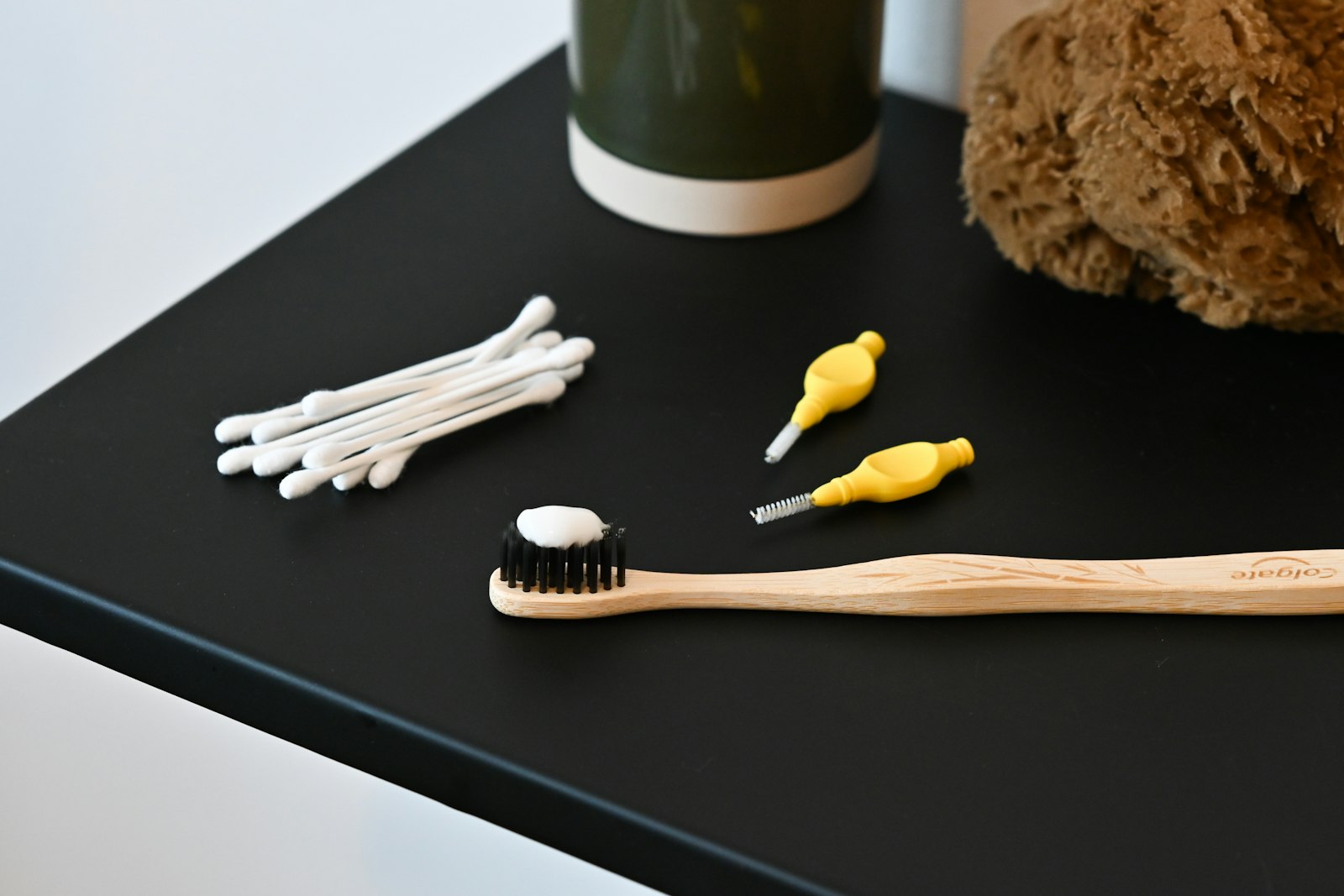
Cost of prevention versus cost of failure
The single most useful piece of maths in dentistry is the cost ladder. Every dollar spent earlier saves multiples of itself spent later. Sydney prices, based on ADA fee surveys and typical Lumi Dental fee bands, look like this.
| Where you spend | Typical Sydney cost | What it prevents |
|---|---|---|
| Fluoride toothpaste (one tube) | $5 to $12 | Most enamel-stage decay |
| Floss or interdental brushes (yearly) | $30 to $80 | Decay between teeth and gum disease |
| Six-monthly check-up and clean | $220 to $320 | Catches cavities at fillable stages |
| Topical fluoride or remineralising paste | $50 to $90 per visit | Reverses early white spot lesions |
| Composite filling (one tooth) | $220 to $480 | Prevents dentin and pulp progression |
| Inlay or onlay (one tooth) | $900 to $1,800 | Larger cavity that would otherwise need a crown |
| Root canal plus crown (one molar) | $2,800 to $4,500 | Tooth loss |
| Extraction plus implant and crown | $5,500 to $7,500 | The cost of doing nothing |
Looking across the ladder, the difference between a 12 dollar tube of toothpaste used properly and a 5,500 dollar implant placed five years later is the entire economic argument for prevention.
How to actually prevent cavities (the protocol that works)
The evidence base for cavity prevention is one of the most consistent in dentistry. The American Dental Association, the World Health Organization, and the Australian Dental Association all converge on the same handful of practices.
Brush twice a day with fluoride toothpaste
Fluoride is the only over-the-counter ingredient proven to actively prevent cavities. It bonds with calcium and phosphate in your enamel to form fluorapatite, which is more acid-resistant than the natural enamel underneath. Water fluoridation plus fluoride toothpaste reduces decay by at least 25 percent in both children and adults. Use a soft-bristled brush. Brush for 2 minutes. Spit, do not rinse, so the fluoride stays on your teeth longer.
Floss or use interdental brushes daily
Your toothbrush cannot reach between your teeth. About 40 percent of each tooth surface is interproximal, and cavities between molars are the most commonly missed at home. Floss or interdental brushes are not optional if you want to keep all your teeth into old age.
Limit between-meal sugar
It is not the total amount of sugar in a day that drives decay. It is the number of times your teeth are exposed to acid. A patient who has three biscuits with morning tea is at lower risk than one who has a single biscuit every hour for three hours. Eat sweet things with meals, not as snacks, and rinse with plain water afterwards.
Drink tap water
Sydney tap water is fluoridated. Drinking it through the day rinses food debris, neutralises acid, and tops up enamel-strengthening fluoride. Bottled water and most filtered water do not provide the same protection.
Look after your saliva
Saliva is your body's natural cavity protection. If your mouth is regularly dry, sip water, chew sugar-free gum with xylitol after meals, and talk to your dentist about prescription-strength fluoride or saliva-stimulating products.
Have a 6-monthly check-up
The argument for 6 months rather than 12 is not commercial. It is the time frame in which a small cavity, caught and filled, is cheaper and less invasive than the same cavity caught at 12 months when it has reached the dentin. Higher-risk patients may benefit from 3 or 4 monthly recalls. Lower-risk patients with no fillings and an excellent home routine can sometimes stretch to 12 months under their dentist's supervision.
Consider fissure sealants (especially for kids)
The chewing surfaces of the back teeth have deep grooves that toothbrush bristles cannot clean. A fissure sealant is a thin layer of resin painted into those grooves to keep food and bacteria out. They are most useful for children's permanent molars but adults at high risk can benefit too. Cost in Sydney is usually 50 to 90 dollars per tooth, and the CDBS covers them for eligible kids.
Treatment options if a cavity has already formed
What treatment a dentist recommends depends entirely on which stage the cavity has reached. Most cavities caught at a check-up are still at the filling stage.
Remineralisation and fluoride therapy (white spot stage)
If the enamel surface is intact, a high-strength fluoride varnish or a calcium-phosphate paste like Tooth Mousse can reverse the lesion. Treatment is painless, takes a few minutes, and costs roughly 50 to 90 dollars per session in Sydney.
Fillings (enamel and shallow dentin stage)
A filling involves removing the decayed tooth structure and replacing it with composite resin (tooth-coloured), glass ionomer, or in rare cases amalgam. Most modern fillings are composite for cosmetic reasons. Sydney prices for one-surface composite fillings sit around 180 to 280 dollars. Multi-surface fillings run 320 to 480 dollars.
Inlays, onlays and crowns (large cavities)
Once a cavity covers more than half of a tooth, a regular filling may not provide enough strength. An inlay or onlay is a custom-made piece of porcelain or composite that is bonded into the tooth. A crown wraps the whole tooth like a helmet. These are stronger and longer-lasting than a large filling, but cost more. Sydney prices: inlay or onlay 900 to 1,800 dollars; crown 1,800 to 2,500 dollars.
Root canal therapy (pulp stage)
If decay reaches the nerve, the tooth needs root canal therapy. The infected pulp is removed, the canals are cleaned and shaped, and the tooth is sealed. A crown is almost always recommended afterwards. Total cost in Sydney for a back-tooth root canal plus crown sits between 2,800 and 4,500 dollars.
Extraction (when the tooth cannot be saved)
If decay has destroyed too much tooth structure, or if the infection has spread too far, the tooth may need to come out. A simple extraction is 250 to 400 dollars. Replacing the missing tooth is a separate cost: a bridge runs 2,500 to 4,500 dollars, an implant with crown 5,500 to 7,500 dollars. The cheapest replacement option, a denture, is rarely the best one for a single tooth in an otherwise healthy mouth.

Sydney cavity treatment cost summary (with ADA item codes)
| Treatment | ADA item code | Typical Sydney cost |
|---|---|---|
| Check-up and clean (scale + polish + exam + 2 X-rays) | 011, 022, 114, 121 | $220 to $320 |
| Topical fluoride application | 121 | $50 to $90 |
| Fissure sealant per tooth | 165 | $50 to $90 |
| One-surface composite filling | 521 | $180 to $280 |
| Two-surface composite filling | 522 | $240 to $380 |
| Three-surface composite filling | 523 | $320 to $480 |
| Indirect inlay or onlay | 578 / 579 | $900 to $1,800 |
| Full crown (porcelain on zirconia) | 615 | $1,800 to $2,500 |
| Root canal molar (3 canals) | 415, 416, 417 | $1,200 to $2,000 |
| Simple extraction | 311 | $250 to $400 |
| Implant plus crown | 684, 688, 672 | $5,500 to $7,500 |
Many Australian health insurance funds cover preventive items like check-ups and basic fillings under their general dental cover. Major treatments like crowns and root canals usually sit under major dental, which often comes with annual limits and waiting periods. We cover this in detail in our guide to health insurance and dental cover.
Cavities in children: what parents in Sydney should know
Children's cavities are common, often painless until they are deep, and almost always preventable. Around 39 percent of Australian kids aged 1 to 9 have experienced untreated decay in their baby teeth, ranking Australia 23rd of 38 OECD countries on this measure. The earlier we see kids, the easier and cheaper everything becomes.
The Child Dental Benefits Schedule (CDBS) is the Australian Government program that covers basic dental care for kids aged 0 to 17 in eligible families. It covers up to 1,158 dollars per child over a 2 year period, and includes check-ups, X-rays, fluoride applications, fissure sealants, fillings and extractions. Eligibility is means-tested and tied to receiving a payment from Services Australia, such as Family Tax Benefit Part A. Many families are eligible without realising it.
Practical advice for parents:
- Start brushing as soon as the first tooth appears, even if it is just with a wet cloth.
- Use a smear of low-fluoride children's toothpaste up to age 6, then standard adult fluoride toothpaste.
- Avoid sending kids to bed with a bottle of milk or juice. Pooled liquid sugars overnight are the leading cause of early childhood caries.
- Limit fruit juice to mealtimes, and prefer whole fruit instead.
- Book the first dental visit around the first birthday, then 6 monthly after that.
- Consider fissure sealants on the 6 year molars when they erupt.
Common myths about cavities
A few patient beliefs come up in clinic regularly and are worth correcting.
"Hard teeth run in our family so I do not need to floss." Enamel hardness is partly genetic but every adult tooth has at least 40 percent of its surface that a toothbrush cannot reach. Genetics does not replace flossing.
"If a tooth does not hurt, it does not need a filling." Most cavities cause no symptoms until they have already crossed into the dentin or pulp. By the time it hurts, the cheap window is closed.
"Fluoride is dangerous." The dose makes the poison. The amount of fluoride in toothpaste and Sydney tap water is well within levels that every major health authority, including the WHO, CDC, ADA, and NHMRC, considers safe and effective.
"Baby teeth do not matter because they fall out anyway." Baby teeth hold space for adult teeth, help with speech development, and infections from them can spread to the developing adult teeth underneath. Kids deserve fillings the same way adults do.
"Charcoal toothpaste and oil pulling will fix it." No clinical trial has shown either to prevent or reverse cavities. Charcoal toothpaste can actually wear away enamel through abrasion, increasing future risk.
Frequently asked questions
Can a cavity heal on its own?
Only at the very earliest stage. A white spot lesion where the enamel surface is still intact can be remineralised with fluoride, better hygiene, and dietary change. Once a hole has formed in the enamel, the cavity needs a filling. Self-healing is not possible past that point.
How fast does a cavity grow?
It varies. Adult cavities typically take 6 months to several years to progress from white spot to dentin involvement. Children's cavities can progress faster because the enamel is thinner. High-sugar diets, dry mouth, and poor hygiene speed everything up.
Do I need a filling if my tooth does not hurt?
Often yes. By the time a cavity reaches the nerve and starts hurting, the treatment has usually escalated from a filling to a root canal. Fillings are recommended when a cavity is detected on examination or X-ray, regardless of symptoms.
Are silver fillings still safe?
Yes, amalgam fillings remain considered safe by the FDA, WHO and the Australian Dental Association. They are still in use in some clinical situations because they are durable and forgiving. That said, most patients today choose tooth-coloured composite for aesthetic reasons, and Lumi Dental does not use amalgam by default.
Can I prevent cavities with diet alone?
Diet is one of the most powerful levers, but it cannot replace fluoride toothpaste or flossing. Plaque bacteria will produce some acid even from healthy starches. The most cavity-resistant patients combine all three: low sugar frequency, daily flossing, and fluoride toothpaste.
What about sensitive teeth without a cavity?
Sensitivity can be caused by exposed dentin from gum recession or enamel wear, not just decay. A dentist can tell the difference. If it is not a cavity, sensitive-teeth toothpaste like Sensodyne, used twice daily for a few weeks, usually settles it down. We cover this in detail in our guide to sensitive teeth in Sydney.
Are dental check-ups covered by Medicare?
For adults, no. Medicare does not cover routine dental care. Eligible children aged 0 to 17 can access up to 1,158 dollars over 2 years through the Child Dental Benefits Schedule. Pensioners and concession card holders in NSW can also access free public dental care through NSW Health, although waiting lists vary.
When to book a check-up
If it has been more than 12 months since your last visit, or if you notice any of the symptoms listed earlier in this guide, it is worth booking sooner rather than later. The most expensive cavities are the ones that have been hiding the longest. A 30 minute check-up and clean with X-rays catches the problems before they become big problems.
At Lumi Dental in Melrose Park, we focus on preventive care first and treatment second. New patient appointments include a comprehensive exam, two bitewing X-rays, a scale and polish, oral cancer screening, and a clear plan if anything is found. If you are due for a check-up, you can book a new patient appointment online or read our companion guides on dental cleaning costs in Sydney and filling costs in Sydney.


