



About one in ten Australian adults lives with temporomandibular joint (TMJ) dysfunction, and the figure climbs to almost half when you count anyone who has ever felt a click, a lock, or an ache in their jaw. Women report symptoms roughly four times as often as men, and most cases peak between the ages of 20 and 45. Despite that, only around one in twenty people who have TMJ symptoms actually seek treatment, often because the pain comes and goes and feels too vague to explain at the GP.
This guide explains what TMJ disorder is, the symptoms that point to it, the causes a Sydney dentist usually checks for, and what each treatment realistically costs.
Key takeaways
- TMJ disorder (or TMD) is a problem with the jaw joint, the muscles around it, or both. It is common, treatable, and rarely needs surgery.
- The most reported symptoms are jaw pain or stiffness, clicking or grating when chewing, headaches, and a feeling that the jaw locks or catches.
- Most cases settle with conservative care: soft foods, jaw rest, anti-inflammatories, physiotherapy, and a custom occlusal splint at night.
- In Sydney, a custom splint usually sits between $500 and $1,500 depending on the design. Physiotherapy and bite adjustments add to that.
- If pain is severe, your bite has changed, or the jaw will not open, see a dentist or GP within a few days rather than waiting it out.
What is the temporomandibular joint?
The temporomandibular joint sits just in front of each ear, where the lower jaw (the mandible) meets the side of the skull (the temporal bone). It is one of the most active joints in the body. It opens, closes, glides forward, slides side to side, and does all of this thousands of times a day for talking, eating, swallowing, and yawning.
A small disc of cartilage cushions the joint. When the joint, the disc, or the surrounding muscles are not working in sync, you feel it. That is what dentists mean by a TMJ disorder, also written as TMD (temporomandibular disorder).
The symptoms most people notice first
TMJ disorder presents differently in different people. Some only notice a click. Others wake with a sore jaw and tight cheeks. The most common signs are:
- A dull ache in front of one or both ears, sometimes spreading to the cheek, temple, or neck
- Pain when chewing, biting hard food, or yawning
- Clicking, popping, or grating sounds when opening or closing the mouth
- A locking sensation, where the jaw catches halfway open or shut
- Tension headaches, particularly around the temples
- Earache or ringing in the ears (tinnitus) without an obvious ear infection
- Tightness or fatigue in the jaw muscles, especially in the morning
- A bite that suddenly feels uneven or off
Symptoms tend to flare during stressful periods because most people clench harder when they are anxious or sleeping poorly. If you wake with jaw pain or a sore face, the issue is usually night-time clenching rather than something that happened during the day.

What causes TMJ disorder?
There is rarely a single cause. Most TMJ disorders are the result of two or three factors stacking up over time. The usual contributors are:
Teeth grinding and clenching (bruxism)
Clenching is the biggest single driver of TMJ pain in adults. The muscles that move the jaw can generate forces of 70 to 90 kilograms during a hard clench, and most clenching happens overnight when you cannot regulate it. Stress, caffeine, alcohol, and disrupted sleep all increase the risk.
An uneven bite
If the upper and lower teeth do not meet evenly, the jaw muscles work harder to find a comfortable position. This can happen after a new filling or crown that sits a fraction high, after orthodontic treatment, or because of teeth that have shifted with age.
Injury or trauma
A blow to the jaw, a whiplash injury, or even a long dental procedure where the mouth was held open for hours can inflame the joint or strain the surrounding muscles.
Joint wear and arthritis
Like other joints, the TMJ can develop osteoarthritis as the cartilage thins, or be affected by rheumatoid arthritis. Wear-related TMJ pain is more common after age 50.
Posture and habits
Forward head posture from prolonged screen use, nail biting, chewing pens, and chewing gum for hours all keep the jaw muscles switched on when they should be resting.
How a dentist diagnoses TMJ disorder
A first appointment usually takes 30 to 45 minutes. The dentist asks when the pain started, what makes it better or worse, and whether you grind or clench, then:
- Feels the joint and chewing muscles for tenderness or trigger points
- Listens for clicking or grating as the jaw opens and closes
- Measures how wide the mouth opens (under 35 mm is restricted)
- Checks whether the jaw deviates to one side as it opens
- Examines the teeth for wear, cracks, or restorations sitting high
An OPG (panoramic) X-ray is often taken to rule out arthritis or fractures. If symptoms are unusual or conservative care has not worked, a CBCT or MRI of the joint may be requested.
Treatment options and costs in Sydney
Most cases of TMJ disorder respond well to conservative, reversible care. Surgery is genuinely a last resort and the vast majority of patients never need it. The usual stepped approach looks like this:
| Treatment | What is involved | Typical Sydney cost |
|---|---|---|
| Self-care (soft diet, jaw rest, heat packs) | 2 to 4 weeks of avoiding hard or chewy food, applying warm compresses, and limiting wide opening | Free |
| Anti-inflammatories (ibuprofen, topical gels) | Short course to settle muscle and joint inflammation | $10 to $30 |
| Physiotherapy (jaw and neck) | 4 to 6 sessions of muscle release, posture correction, and home exercises | $110 to $160 per session |
| Custom occlusal splint (night guard) | Lab-made hard acrylic splint worn at night to protect teeth and unload the joint | $500 to $1,500 |
| Bite adjustment (occlusal equilibration) | Targeted reshaping of high points on teeth or restorations | $150 to $400 |
| Botulinum toxin to chewing muscles | Injections into the masseter to reduce clenching force, repeated every 3 to 6 months | $600 to $1,200 per session |
| Oral and maxillofacial surgery | Arthrocentesis or arthroscopy for severe joint disease, considered after conservative care has failed | $3,000 to $10,000+ (item numbers may attract Medicare or private rebates) |
Australian Dental Association fee surveys consistently show that custom splints (item 963) and bite adjustments (item 967) are the most prescribed treatments for TMJ disorder. Boil-and-bite splints sold at pharmacies are cheaper but tend not to fit properly, can shift the bite over time, and are not recommended for ongoing use.
When to see a dentist, GP, or specialist
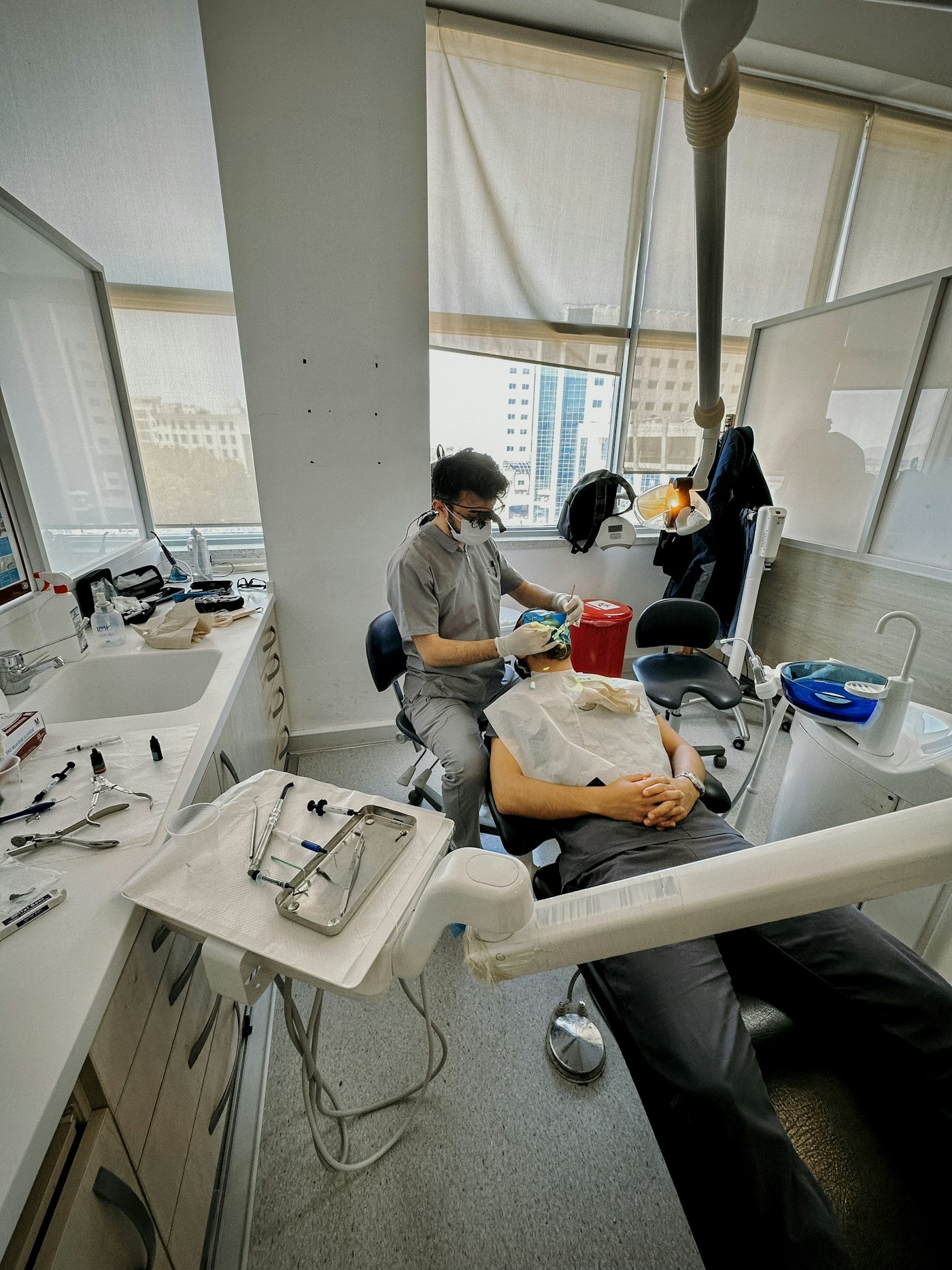
For most people, a general dentist with experience in occlusion is the right first stop. Dentists can examine the joint, prescribe a splint, adjust the bite, and refer on if needed.
See a GP first if your jaw pain is part of a wider problem, for example after a head or neck injury, or if you also have facial weakness, double vision, or severe headaches. These need urgent assessment.
You may be referred to an oral and maxillofacial surgeon if a joint is locked, the disc is clearly displaced on imaging, or pain has not responded to several months of conservative care. Surgery is unusual and is reserved for structural problems inside the joint.
What you can do at home this week
If you are early in a flare, a few simple changes often settle things within a fortnight:
- Eat soft foods. Cut food into small pieces and avoid chewy bread, hard nuts, and tough meat for a couple of weeks.
- Apply moist heat to the jaw and temples for 10 minutes, twice a day.
- Keep the teeth apart. Lips together, teeth slightly apart, tongue resting on the roof of the mouth is the natural rest position.
- Avoid wide yawns. Place a fist under the chin to limit opening.
- Stop chewing gum and biting nails.
- Notice when you clench during the day (driving, screen time, exercise) and consciously relax the jaw.
If symptoms persist beyond two to three weeks, are getting worse, or are interfering with sleep, book an assessment rather than waiting it out.
Frequently asked questions
Will TMJ disorder go away on its own?
Mild flares often settle within two to four weeks with self-care, especially if there is an obvious trigger like a stressful period or a long dental appointment. Persistent or recurring symptoms usually need targeted treatment because the underlying cause (clenching, an uneven bite, posture) does not resolve by itself.
Is TMJ pain dangerous?
TMJ disorder is not life-threatening, but chronic untreated pain can affect sleep, mood, and quality of life, and ongoing clenching can crack teeth and wear down enamel. Surgery is rarely needed, but ignoring symptoms for years is not the safer option.
Does Medicare cover TMJ treatment?
Most TMJ care is provided by dentists and is not covered by Medicare. Some surgical procedures performed by an oral and maxillofacial surgeon attract Medicare item numbers. Private health extras with a major dental cap usually contribute to splints and consultations; check your fund's annual limits before starting treatment.
Are over-the-counter mouthguards a good substitute for a custom splint?
Boil-and-bite mouthguards are designed for sport, not bruxism. They are bulky, can shift the bite, and tend to break down within months. A custom occlusal splint is made from harder acrylic, fits precisely, and is designed to last three to five years.
How long does a custom splint take to make?
Two appointments roughly two weeks apart. The first appointment takes impressions or a digital scan. The lab fabricates the splint, and the second appointment is a 20 minute fit and adjustment.
Does Botox actually work for TMJ?
Used in the chewing muscles, botulinum toxin reduces the force of clenching for around three to six months and can be helpful in patients with severe muscle-driven pain. It does not fix the underlying habit, so it is usually combined with a splint and behavioural changes rather than used alone.
Where this fits with bruxism and tooth wear
TMJ disorder rarely sits in isolation. Many patients also grind their teeth or notice their teeth are getting shorter and flatter at the edges. If that sounds familiar, our companion guides on bruxism (teeth grinding), night guards, and cracked tooth syndrome often share the same underlying cause.
Getting an assessment at Lumi Dental
A TMJ assessment at Lumi Dental in Melrose Park starts with a focused 45 minute appointment. Dr James Tran takes a full history, examines the joint and bite, and explains the likely cause and the realistic options before any treatment is recommended. If a splint or bite adjustment is appropriate, the cost is provided in writing before you decide.
If you have been putting up with jaw pain or clicking for a while, you can book a new patient appointment online or call the practice for a chat about what to expect.

