

An alveolar fracture is a break in the alveolar bone, the bony ridge that forms the tooth sockets and holds the teeth in place. The telltale sign is that a whole block of teeth moves together as one unit when touched, rather than a single tooth moving on its own. It usually follows a heavy blow to the face, such as a fall, a sporting collision, or a car or bike accident. Because several teeth and a piece of bone are involved, it needs prompt, careful treatment, and the segment is usually splinted for about four weeks.
Key takeaways
- An alveolar fracture breaks the bone socket, so a group of teeth shifts together.
- The classic clue is several teeth moving as one block, not one tooth alone.
- It is diagnosed by examination and X-rays, sometimes a 3D scan.
- Treatment repositions the segment and splints it, usually for around four weeks.
- The teeth in the segment need monitoring for months, as some nerves may die later.
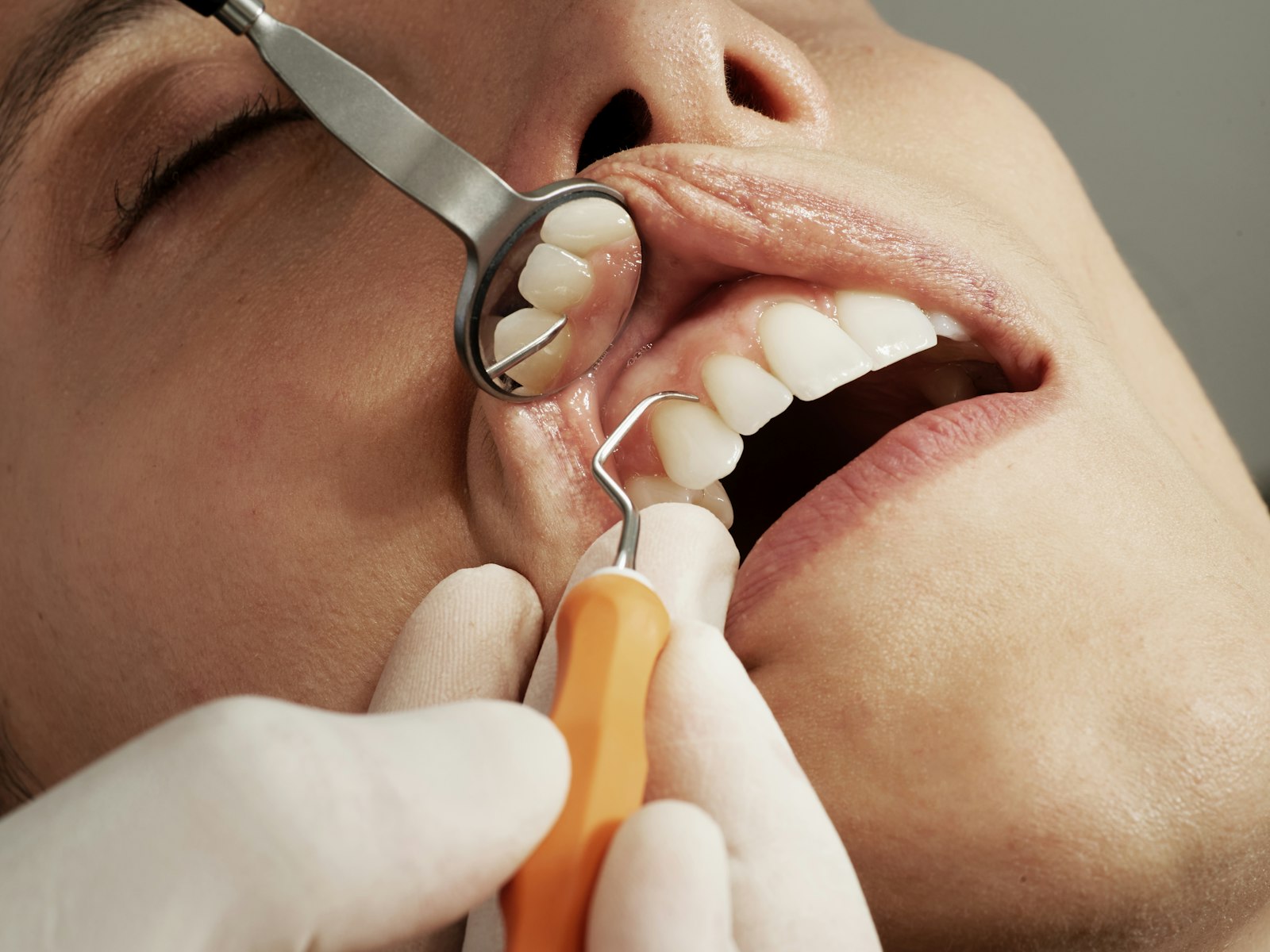
How it differs from a single broken tooth
With most dental injuries, one tooth takes the damage. An alveolar fracture is different because the bone itself has cracked, carrying a row of teeth with it. If you press gently on one tooth and feel two or three neighbours move at the same time, along with the gum, that points to a fractured bone segment rather than a single loosened tooth. There is often a step or ripple in the gum line, bruising, and bleeding from the gum margins.
This distinction matters because the bone has to knit back together, not just the soft tissue around one tooth. The teeth riding on the broken segment may be perfectly intact, yet the whole block has to be eased back into the right position and held still while the bone heals.
How an alveolar fracture is diagnosed
The dentist examines how the teeth move, checks your bite, and looks for steps in the gum and bone. X-rays show the fracture line, and a cone beam (3D) scan often gives the clearest picture of where the bone has broken and how the segment has shifted. Each tooth in the segment is also tested and recorded, because nerve health can change over the following months.
How it is treated
Treatment has two goals: put the bone segment back where it belongs, and hold it still long enough to heal. The dentist or oral surgeon gently repositions the displaced block, checks the bite, and then fixes the teeth to stable neighbours with a flexible splint. For an alveolar fracture, the segment is usually immobilised for about four weeks, which is longer than many single-tooth injuries because bone needs more time than soft tissue. If a tooth in the segment was also pushed sideways, the splinting time can be a little longer.

Typical splinting times for dental trauma
| Injury | Usual splint time |
|---|---|
| Tooth concussion (bruised, not loose) | None |
| Loosened tooth (subluxation) | About 2 weeks if needed |
| Tooth pushed sideways (lateral luxation) | About 4 weeks |
| Alveolar (bone segment) fracture | About 4 weeks |
| Knocked-out tooth replanted | About 2 weeks (longer in some cases) |
Recovery and aftercare
For the first few weeks you eat soft food, avoid biting on the front teeth, and keep the area very clean with a soft brush and an antibacterial mouth rinse if advised. Healing is followed with regular reviews. Some teeth in the segment lose their nerve supply over the months that follow and may need root canal treatment later, so check-ups continue even after the splint comes off. For a sense of how loosened and displaced teeth are handled within the same segment, see tooth luxation injuries and a loosened tooth after a knock.
When it is an emergency
A heavy facial injury can involve more than the teeth. Call 000 if there is trouble breathing, heavy bleeding that will not stop, a jaw that will not open or close properly, or signs of concussion such as confusion or vomiting. A suspected broken jaw needs urgent care, which we cover in broken jaw first aid. Otherwise, see a dentist as soon as possible so the segment can be repositioned early.
Frequently asked questions
Will the teeth in the broken segment survive?
Often yes, especially when the segment is repositioned and splinted early. Some teeth lose their nerve over time and need root canal treatment, which is why follow-up continues for months.
Why does the splint stay on for four weeks?
Bone takes longer to heal than the soft tissue around a single tooth. About four weeks of stable support gives the fractured bone segment time to knit firmly.
Can I eat normally during healing?
Stick to soft food and avoid biting with the injured teeth until the splint is removed and your dentist confirms the bone has healed. Keeping the area clean is just as important as resting it.
Is surgery needed?
Many alveolar fractures are managed by repositioning and splinting without open surgery. Larger or more displaced fractures may need an oral surgeon, and your dentist will refer if that is the case.
Talk to the team at Lumi Dental
If a knock to the face has left several teeth loose or out of line, see a dentist quickly. The team at Lumi Dental can assess the injury, take the right images, and arrange care. Lumi Dental does not list its own prices here. See our current deals, ask for a written quote, or book with a general dentist in Melrose Park.
This article is general information only and is not a substitute for personal dental advice. Please see a dentist about your own situation.


