


Angular cheilitis is a common inflammation at the corners of the mouth that leaves the skin cracked, red, sore, and sometimes crusted. It is also called angular stomatitis or perleche, and it can affect one or both corners. Most cases clear quickly once the underlying reason is found, but for some people it keeps coming back, and that pattern is usually a clue that something needs to be addressed rather than just creaming over.
Key takeaways
- Angular cheilitis is inflammation of the skin folds at the corners of the mouth.
- It usually involves a mix of moisture pooling in the corners and infection by candida yeast or bacteria.
- Common triggers include lip-licking, ill-fitting dentures, a lower bite height, and nutritional gaps.
- Most cases respond quickly to an antifungal or antibacterial cream once the cause is treated.
- Recurring angular cheilitis is worth investigating for denture fit, iron or B-vitamin levels, or dry mouth.
Why the corners of the mouth crack
The corners of the mouth are a naturally moist fold. When saliva collects there and stays, the skin softens and breaks down, and that damp, broken skin is an easy home for candida yeast and for bacteria such as staph. The result is a mix of physical damage and low-grade infection, which is why a plain moisturiser alone often does not fix it.
Anything that keeps the corners wet or deepens the fold makes it more likely. Habitual lip-licking is a classic cause, especially in colder, drier weather. In older adults, a loss of natural tooth height, or dentures that no longer support the face, can cause the corners to fold inward and trap saliva. This overlap with denture wear is one reason the condition is common in people who wear a full or partial denture.

The common causes at a glance
| Cause | How it leads to cracked corners | Typical clue |
|---|---|---|
| Candida or bacterial infection | Colonises damp, broken skin in the fold | Redness, soreness, sometimes a white film |
| Lip-licking or drooling | Keeps the corners constantly wet | Worse in cold, dry weather or overnight |
| Denture or bite issues | Reduced face height deepens the fold | Common in older adults or denture wearers |
| Nutritional deficiency | Iron, B2, B12, folate or zinc gaps weaken the skin | Recurrent cases, or a sore tongue as well |
| Dry mouth | Altered saliva and skin barrier | Linked to some medications and conditions |
The nutritional link worth knowing
Recurring angular cheilitis, especially with a smooth or sore tongue, can be a sign of a nutritional gap. Low iron, vitamin B2 (riboflavin), B12, folate, or zinc can all weaken the skin at the corners and slow healing. This is why a case that keeps returning despite creams is worth a blood test through your GP. Our guides to vitamin B12 and your mouth and folate deficiency explain the wider oral signs to watch for.
How angular cheilitis is treated
Treatment works best when it tackles both the infection and the reason the corners stay wet.
- Clear the infection. A topical antifungal cream treats candida, and a combined antifungal and mild steroid, or an antibacterial cream, may be used when bacteria are involved. Your dentist or GP will match the cream to the likely cause.
- Keep the area protected. A barrier ointment such as petroleum jelly at night reduces saliva contact and helps the skin heal.
- Break the habit. Stopping lip-licking is essential, as constant wetting undoes the cream.
- Fix the mechanical cause. If dentures or a collapsed bite are folding the corners, adjusting or remaking the dentures, or restoring lost tooth height, addresses the root of a recurring case.
- Check nutrition. For repeated episodes, a GP blood test for iron and B vitamins is sensible.
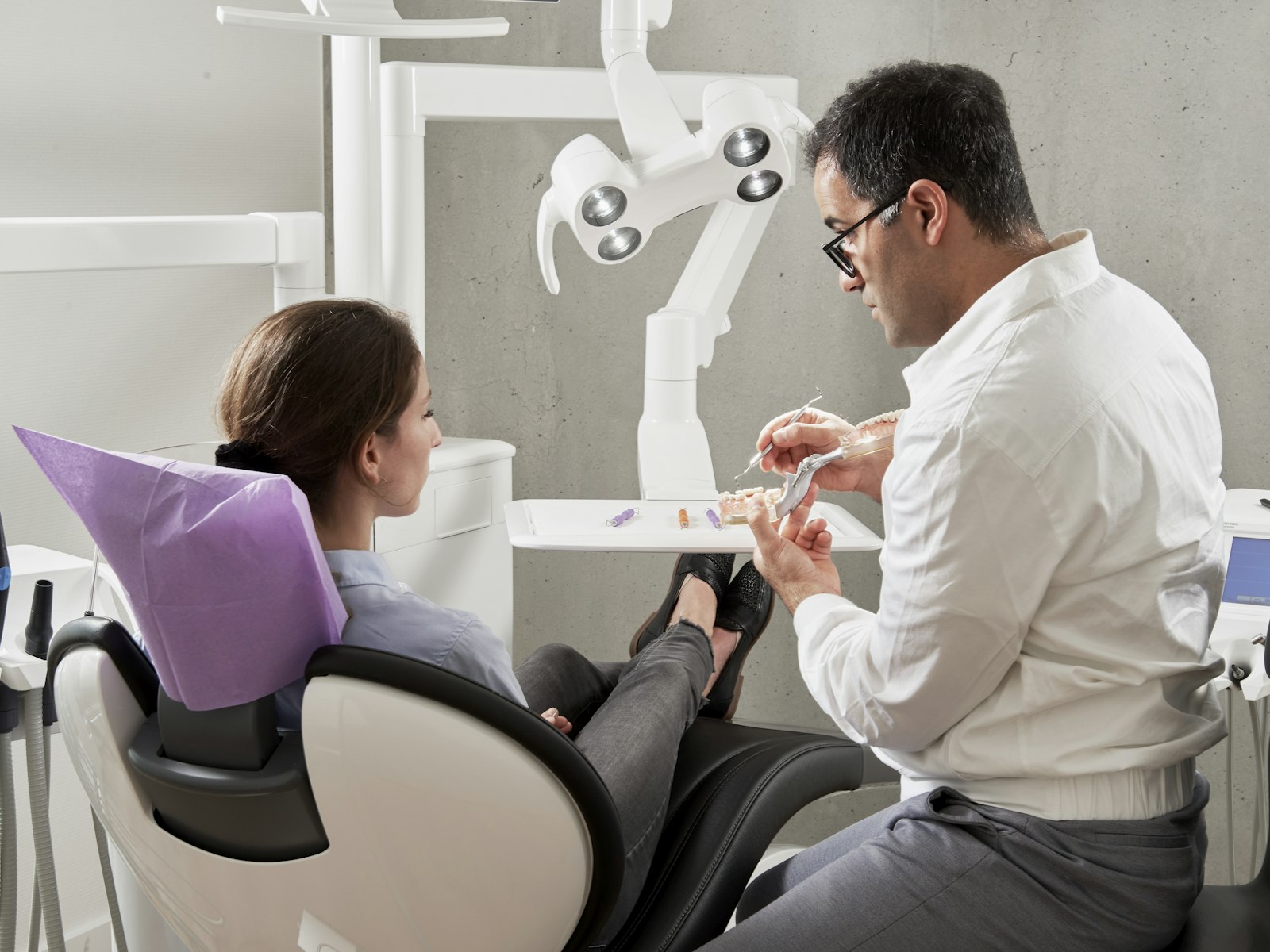
General cost guide
Simple cases need little more than a pharmacy cream. Recurring cases linked to dentures or bite height cost more to resolve properly. The figures below are general Australian market ranges to help you plan, not a quote, and Lumi Dental does not list its own prices here.
| Service | General market range (AUD) |
|---|---|
| Antifungal or barrier cream | Pharmacy cost, usually modest |
| Examination and consultation | $60 to $130 |
| Denture reline or adjustment | $150 to $450 |
If the corners of your mouth keep splitting, the team at Lumi Dental can check for a dental cause and provide a written quote. See the current deals page to book.
Frequently asked questions
Is angular cheilitis the same as a cold sore?
No. A cold sore is caused by the herpes virus and usually appears as a blister on the lip itself. Angular cheilitis affects the corners where the lips meet and is driven by moisture and yeast or bacteria, not a virus.
Why does mine keep coming back?
Recurring cases usually mean the underlying cause has not been addressed. Common reasons are a lip-licking habit, dentures that fold the corners, dry mouth, or a nutritional deficiency. Treating the cause, not just the crack, is what stops the cycle.
Can I treat it with lip balm alone?
A barrier balm helps protect the skin, but if there is a yeast or bacterial infection present, balm alone will not clear it. An antifungal or antibacterial cream is usually needed as well.
Should I see a dentist or a doctor?
Either can help. A dentist is well placed to check for denture and bite causes, which are common. A GP can arrange blood tests if a nutritional gap is suspected. For stubborn cases, both may be involved.
Is it contagious?
The condition itself is not passed person to person in the way a cold sore is, though the candida or bacteria involved are common in the mouth. The main issue is the local environment at the corners, not spread to others.
The takeaway
Angular cheilitis is a common and treatable problem, but a case that keeps returning is a signal to look deeper at denture fit, bite height, dry mouth, or nutrition. Clearing the infection and fixing the underlying cause together give the best chance of lasting relief. If your mouth corners keep cracking, the team at Lumi Dental can help find why. Visit our current deals page to book.
This article is general information and is not a substitute for an individual dental or medical assessment.


