

People who try charcoal often see their teeth look a little brighter in the first week or so, and then the change stops. That pattern says a lot about what charcoal does. It polishes away some stain sitting on the surface, but it does not reach the colour inside the tooth, so once the surface film is gone there is nothing more for it to do.
Surface stain and tooth colour are different problems
Tooth shade has two parts. The outer layer is extrinsic stain, the film from coffee, tea, red wine, tobacco and some mouthwashes that clings to enamel. Underneath is the tooth's own colour, which comes mostly from the yellower dentine showing through the enamel and changes with age, some medicines and injury.
Polishing particles can scrub off extrinsic stain. Lightening the tooth's own colour needs a bleaching agent, which in practice means hydrogen or carbamide peroxide, to break down pigment inside the tooth. Charcoal belongs firmly in the first group, alongside most whitening toothpastes. Our articles on whitening toothpaste and stain removal versus whitening explain the difference in more detail.
What the research found
A 2023 systematic review of laboratory studies in Annals of Anatomy (Tomás and colleagues) concluded that activated charcoal toothpastes had a weaker whitening effect than other options and, because most studies found them more abrasive, could be considered less safe. The included studies were laboratory based and judged to have a medium to high risk of bias, so they show tendencies rather than exact real-world results.
Earlier, a 2017 literature review in the Journal of the American Dental Association (Brooks and colleagues) found too little clinical and laboratory evidence to support the safety and effectiveness claims made for charcoal products, and advised dentists to recommend caution.
Why the first week can look better than it is
- Rinsing away a black paste makes teeth look whiter by contrast for a few minutes.
- Freshly polished enamel reflects more light for a short time.
- Photos posted online are rarely taken under the same lighting, which changes how a shade reads.
Charcoal may also leave its own marks. Fine particles may settle into the edges of tooth-coloured fillings, small cracks and the gumline, which can leave grey lines that are hard to clean. Bonding, veneers and crowns do not lighten with any whitening product, and an abrasive paste can dull their polish.
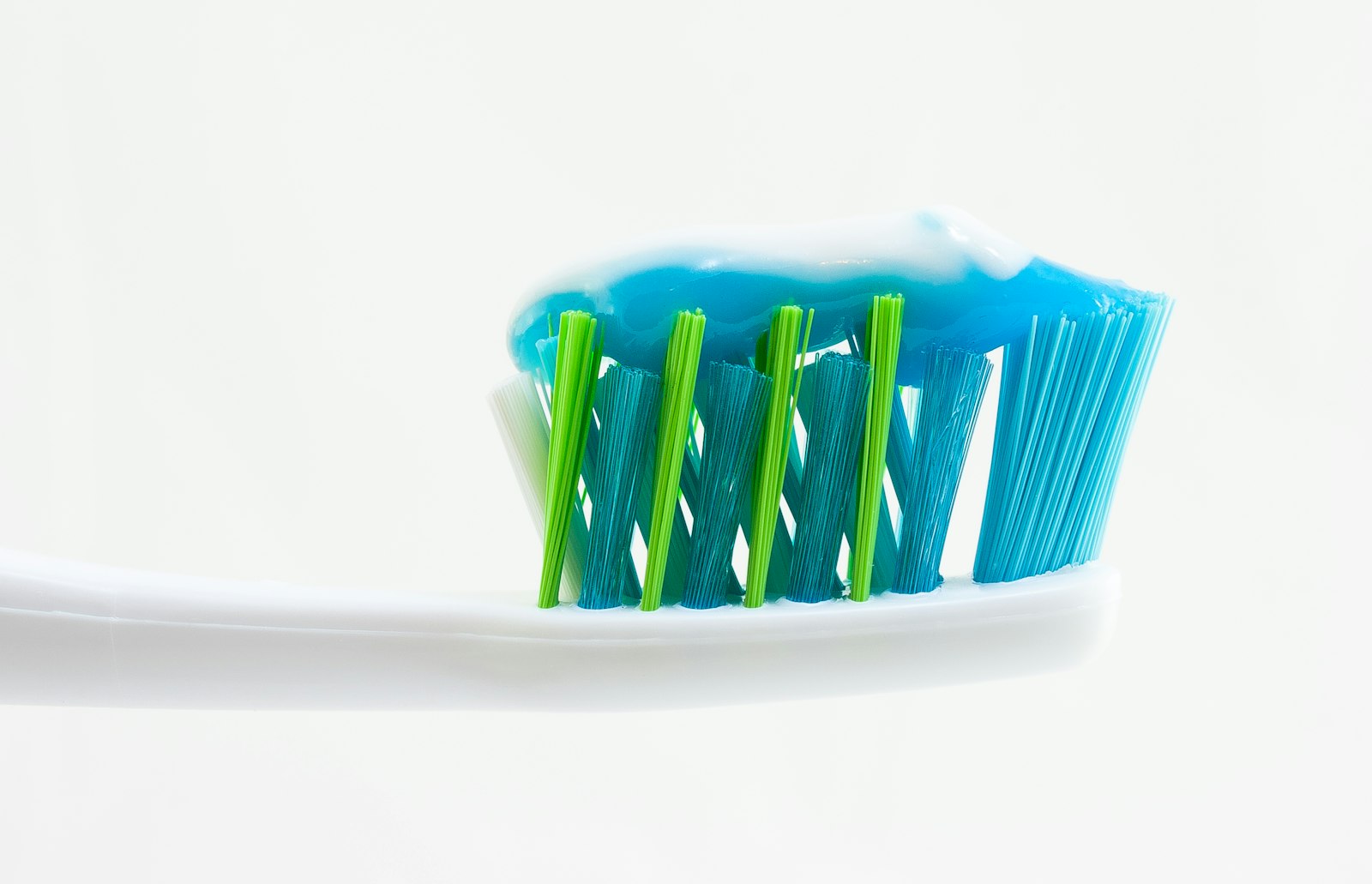
Abrasion adds up over years
Enamel does not regrow. A rough product used daily, especially with a hard brush or heavy pressure, can slowly wear enamel near the gumline. As enamel thins, more yellow dentine shows through, so a long-term abrasive routine can make teeth look darker and feel more sensitive to cold. If your enamel is already worn, see whitening with enamel erosion.
Powders, pastes and charcoal-coloured kits
Loose powders are usually almost pure activated charcoal, with no fluoride and no control over particle size. They are the messiest and the most likely to leave residue.
Pastes vary. Some are similar in abrasiveness to ordinary toothpaste and others are rougher, and some contain no fluoride. Our article on whether charcoal toothpaste is safe looks at what to check on the label.
Strips and kits marketed with charcoal sometimes rely on a different active ingredient, such as peroxide or PAP. Any whitening from these comes from that ingredient, not the charcoal, so read the label for the actual whitening agent and its strength.
Better ways to deal with stain and shade
For surface stain, a professional clean is usually the quickest fix. Air polishing uses a fine powder in a water spray to lift stain without the ongoing wear of a daily abrasive, as our article on air polishing describes. Purple colour-correcting pastes tint teeth briefly rather than whitening them, covered in our piece on purple toothpaste.
To change the tooth's own shade, peroxide whitening is the approach with evidence behind it. Our take-home option is called Lumi Home, while Lumi Refresh and Lumi Radiance begin with an in-chair session and continue with trays at home. Each includes Boutique take-home whitening. A check beforehand shows if your discolouration is the type that responds, and if front fillings or crowns will still match afterwards. No final shade can be guaranteed, as the outcome varies with the starting colour and the kind of stain.
Common questions
Is it harmful to use charcoal once in a while?
Occasional use is less of a concern than daily brushing with it. If you enjoy it, keep a fluoride toothpaste as your main paste, use a soft brush and light pressure, and stop if teeth become sensitive.
Will charcoal remove coffee stains?
It may lift some surface stain, but so can an ordinary fluoride toothpaste or a professional clean, with less abrasion.
Does charcoal help with bad breath?
Good evidence for this is lacking. Bad breath usually comes from the tongue, gums or decay, which our team can check.
To find out what is causing your stain and which option suits it, read about teeth whitening at Lumi Dental. A free consult is available, you will usually receive a written treatment plan, often by email, and current offers are on our deals page.
This article is general information and not a substitute for personal dental advice.