

A crown-root fracture is a break that starts on the visible part of a tooth and runs down past the gum line, so it involves the crown and the root together. It is a tricky injury because the lower edge of the crack hides below the gum, sometimes below the bone. Crown-root fractures make up around 5 percent of all dental injuries. Whether the tooth can be saved depends mostly on one thing: how far below the gum the crack reaches, and whether the nerve is exposed.
Key takeaways
- A crown-root fracture spans the crown and the root, ending below the gum line.
- It is called complicated when the nerve is exposed and uncomplicated when it is not.
- The deeper the fracture goes below the gum, the harder the tooth is to keep.
- Saving the tooth may need gum surgery, slowly pulling the root up with braces, or root canal treatment.
- If the loose fragment is found, reattaching it can be a good first option.

The one question that shapes treatment: is the nerve exposed?
Before anything else, the dentist works out whether the fracture has reached the nerve in the middle of the tooth. This single point splits crown-root fractures into two groups and decides much of the plan.
Uncomplicated crown-root fracture
Here the crack involves enamel, dentine and a little of the root, but the nerve is not exposed. The aim is to keep the nerve alive. Because the broken edge sits below the gum, the dentist often needs to expose that edge first, either with a small gum procedure or by slowly moving the root upward with light orthodontic force so the margin can be reached. The tooth is then rebuilt, often with a filling or a crown.
Complicated crown-root fracture
Here the nerve is exposed. In a young tooth with a developing root, the dentist may try to keep part of the nerve alive with vital pulp therapy. In a mature tooth, root canal treatment is usually needed, followed by a post, core and crown to rebuild it. Either way, the buried margin still has to be brought into reach first.
How the buried edge is reached
The lower edge of the crack has to sit above the gum and bone so it can be sealed and cleaned. Dentists use a few approaches, sometimes in combination.
| Approach | What it involves | Best when |
|---|---|---|
| Fragment reattachment | Bonding the broken piece back on if it is found and fits | The fragment is intact and the margin is shallow |
| Gum (crown-lengthening) surgery | Reshaping gum and a little bone to expose the edge | The fracture is only slightly below the gum |
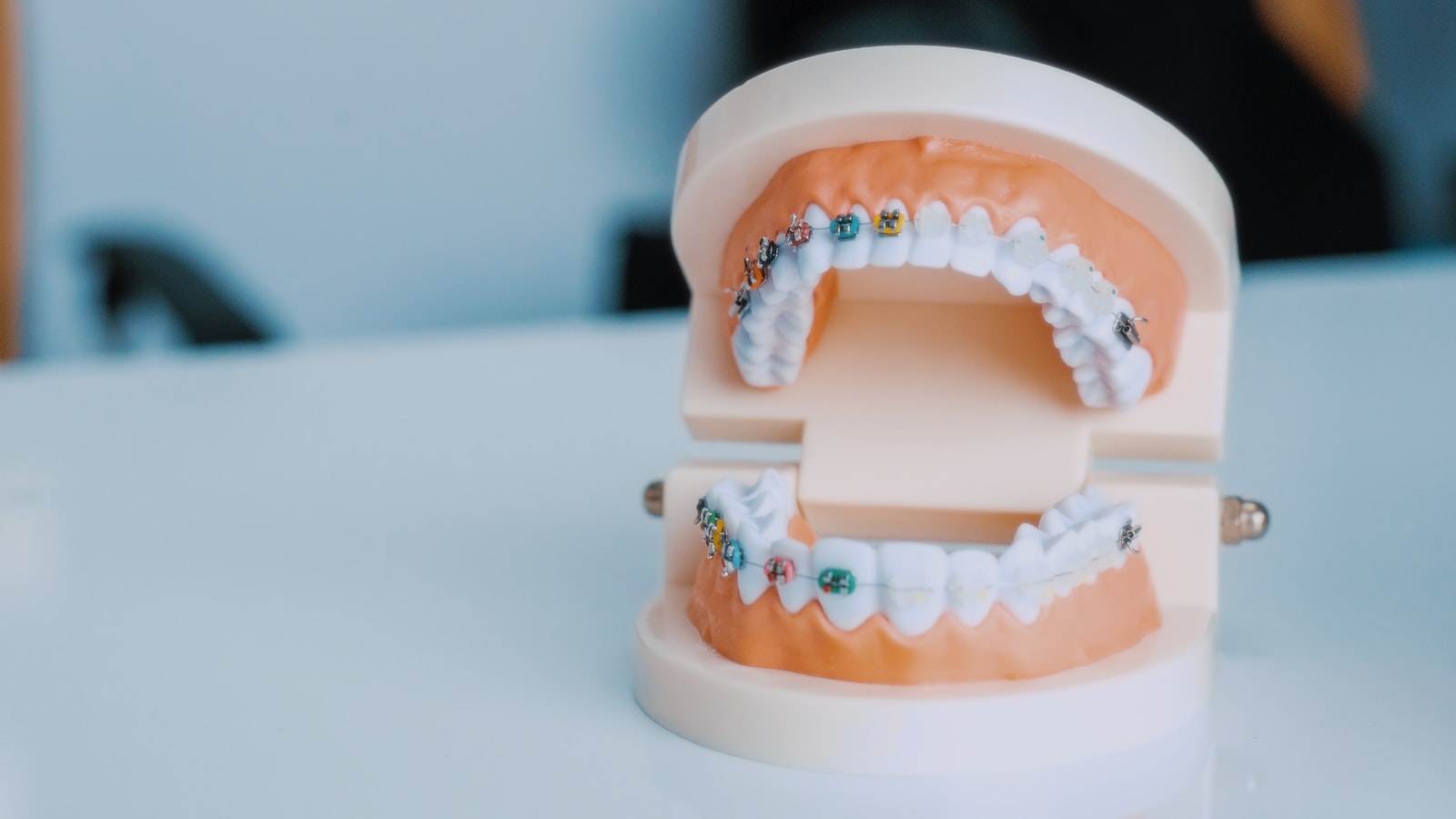
| Orthodontic extrusion | Slowly pulling the root upward with light braces | The fracture is deeper and you want to avoid removing bone from front teeth |
| Root canal then post and crown | Treating the nerve, then rebuilding the tooth | The nerve is exposed in a mature tooth |
| Removal and replacement | Taking the tooth out, then restoring the gap | The crack runs too deep to keep the tooth predictably |
What to do straight away
If part of a tooth breaks off, keep the fragment, ideally in milk or saliva, because it may be reattached. Rinse your mouth gently with water, use a cold compress on the lip for swelling, and see a dentist as soon as you can. Avoid biting on the tooth. If a whole tooth has been knocked out rather than fractured, the steps are different, so read our guide on how to store a knocked-out tooth. If the tooth is loose or pushed out of line, see a loosened tooth after a knock.
Frequently asked questions
Can a tooth with a crown-root fracture be saved?
Often yes, especially when the crack reaches only a little below the gum. The deeper it goes, the more involved the treatment, and very deep fractures sometimes cannot be kept. A careful exam and X-ray guide the decision.
Why might I need braces on just one tooth?
Orthodontic extrusion uses gentle force to ease the root upward over several weeks, bringing the buried edge of the fracture into reach. It is a way to keep a front tooth without removing the bone that supports it.
Is a crown-root fracture an emergency?
It needs prompt attention, particularly if the nerve is exposed, which can be painful and lets bacteria in. Same-day or next-day care gives the best chance of keeping the tooth.
Will it need a crown?
Many do, because a crown protects a tooth that has lost a lot of structure or has had root canal treatment. Smaller fractures can sometimes be restored with bonding alone.
Talk to the team at Lumi Dental
A fractured tooth is easier to save the sooner it is seen. The team at Lumi Dental can assess the tooth, take images, and walk you through the options. Lumi Dental does not list its own prices here. See our current deals, ask for a written quote, or book with a general dentist in Melrose Park.
This article is general information only and is not a substitute for personal dental advice. Please see a dentist about your own situation.


