
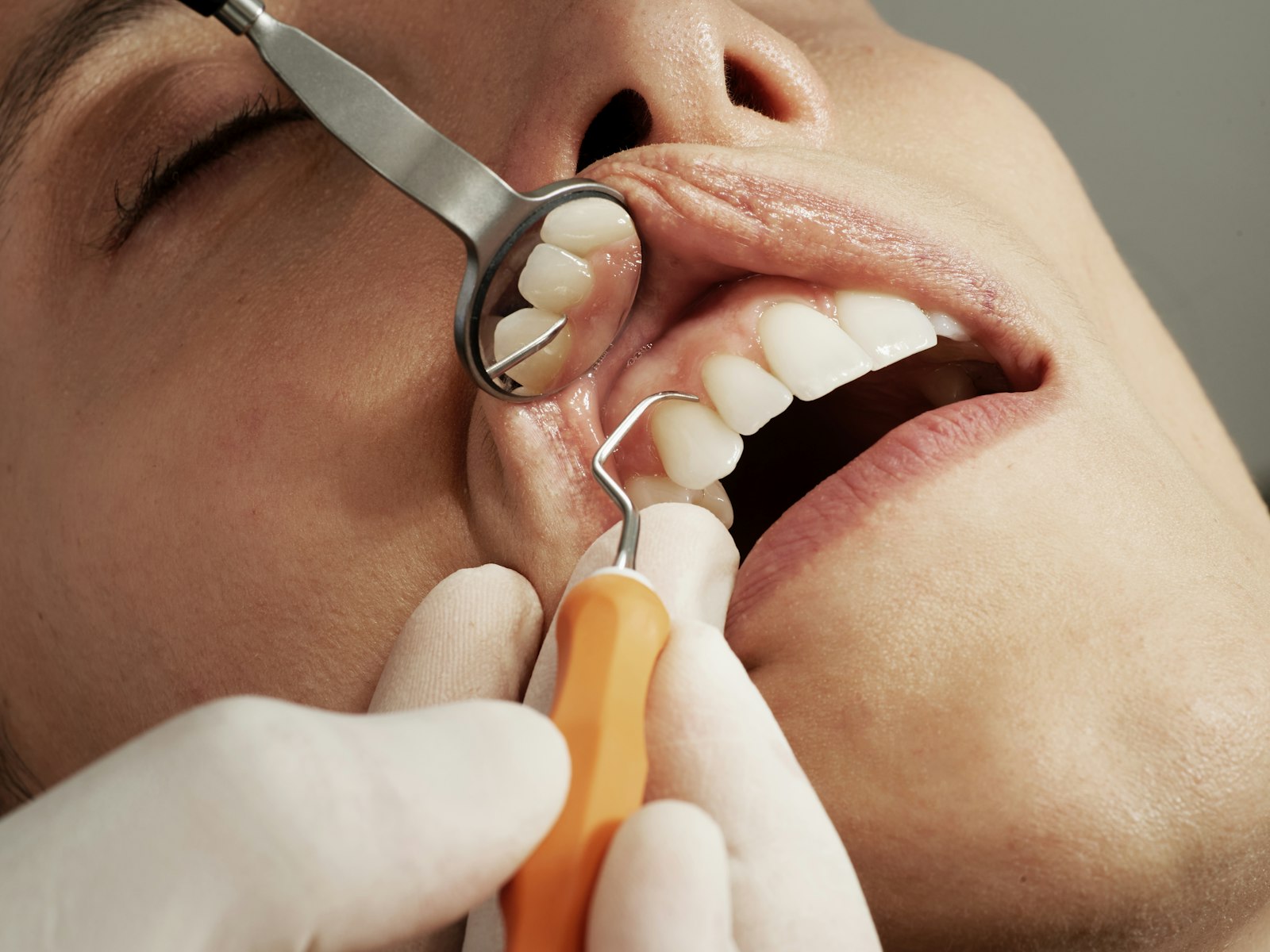

Gum overgrowth affects a meaningful share of people taking phenytoin for epilepsy, with community studies reporting rates of around 13 to 50 percent and the change often appearing within one to three months of starting the medicine. Epilepsy itself does not damage teeth, but two things linked to it can: certain anti-seizure medicines that cause the gums to swell and overgrow, and the risk of injuring teeth or the tongue during a seizure. Both are manageable. Good gum care, the right medical conversation and a dental team that knows the diagnosis keep the mouth healthy and visits safe.
Key takeaways
- Phenytoin is the anti-seizure medicine most linked to gum overgrowth, though lamotrigine, oxcarbazepine and phenobarbital can also contribute.
- Meticulous daily plaque control is the single best way to limit gum overgrowth.
- Seizures can chip teeth or bite the tongue, so a mouth already kept healthy copes better.
- Tell your dental team about your epilepsy, triggers and medicines before treatment.
- Overgrown gum tissue can be reduced, but it may return without good hygiene.

The one idea that ties it together: plaque control decides how bad the gums get
Medicine-related gum overgrowth is not purely a drug effect. The swelling is driven by how the gum tissue reacts to plaque sitting along the gum line. That is why two people on the same dose of phenytoin can have very different gums. The person who removes plaque thoroughly every day tends to have far less overgrowth than the person who does not. The medicine sets the stage, but plaque is what brings on the worst of it, and plaque is the part you can control at home.
Gum overgrowth from anti-seizure medicines
Overgrowth usually starts at the gum between the teeth and can slowly cover more of the tooth, making the gums look puffy and lumpy. It can trap food, bleed, and make brushing harder, which then worsens the cycle. Phenytoin is the classic cause, but it is not the only one. If overgrowth is becoming a problem, your doctor and dentist may discuss whether an alternative anti-seizure medicine is suitable, a decision that always sits with the treating doctor because seizure control comes first. Alongside that, a dentist focuses on removing plaque and calculus thoroughly, coaching daily technique, and reviewing the gums often. Where the tissue is very enlarged, a minor gum procedure can trim it back, though it may regrow if plaque control slips. Our guide to bleeding gums when brushing covers the daily technique in detail.
Protecting teeth during seizures
A tonic-clonic seizure can clench the jaw hard enough to chip teeth, and the tongue or cheek may be bitten. There is no need to place anything in the mouth during a seizure, which can cause more harm. The dental angle is preventive: keeping teeth strong and healthy means they cope better with a sudden clench, and any chips or cracks are repaired promptly. For people with frequent seizures, a custom mouthguard for high-risk periods is sometimes discussed, though it is not suitable for everyone.

Planning a safe dental visit
Tell the dental team about your epilepsy, the type and frequency of your seizures, your known triggers and your current medicines. Flickering or bright lights, stress, missed medication, flashing equipment and being overtired can all be triggers, so the team can dim lights, schedule a calm time of day, keep appointments shorter, and make sure you have taken your usual medication beforehand. Let them know your seizure warning signs if you have them. If a seizure occurs in the chair, the team is trained to keep you safe by clearing the area, protecting your head, turning instruments away and timing the seizure, then caring for any injury afterwards. None of this should put you off treatment. It simply lets the visit be planned around you.
General cost guide
These are general Australian market ranges for planning only. They are not a quote, and Lumi Dental does not list its own prices here.
| Item | General market range (AUD) |
|---|---|
| Check-up and clean | $180 to $390 |
| Deep cleaning per visit | $200 to $400 |
| Minor gum reduction procedure | $400 to $1,200 |
The team at Lumi Dental is happy to plan care around your needs and provide a written quote. See current offers on the current deals page or book routine care with a general dentist.
Frequently asked questions
Which epilepsy medicines cause gum overgrowth?
Phenytoin is the most common cause. Lamotrigine, oxcarbazepine and phenobarbital have also been associated with it. Carbamazepine and sodium valproate are generally lower risk, but any medication change is a decision for your doctor.
Can the overgrown gum be removed?
Yes. A dentist can trim enlarged gum tissue, but it can grow back if plaque is not kept under control, so daily cleaning remains essential.
Should something go in the mouth during a seizure?
No. Never put anything in the mouth during a seizure. Keep the person safe, protect their head, and check for any injury afterwards.
Is it safe to have dental treatment with epilepsy?
Yes. With your history shared in advance, the team can manage triggers and respond confidently if needed, so treatment is safe and routine.
When to see a dentist
Book a review for swollen, lumpy or bleeding gums, a chipped or loose tooth after a seizure, or gums that are starting to cover the teeth. For related reading, see our guides on bleeding gums when brushing, intellectual disability and dental care, and a loosened tooth after an injury.
This article is general information and does not replace individual dental and medical advice. Seizure management should always be guided by your treating doctor.


