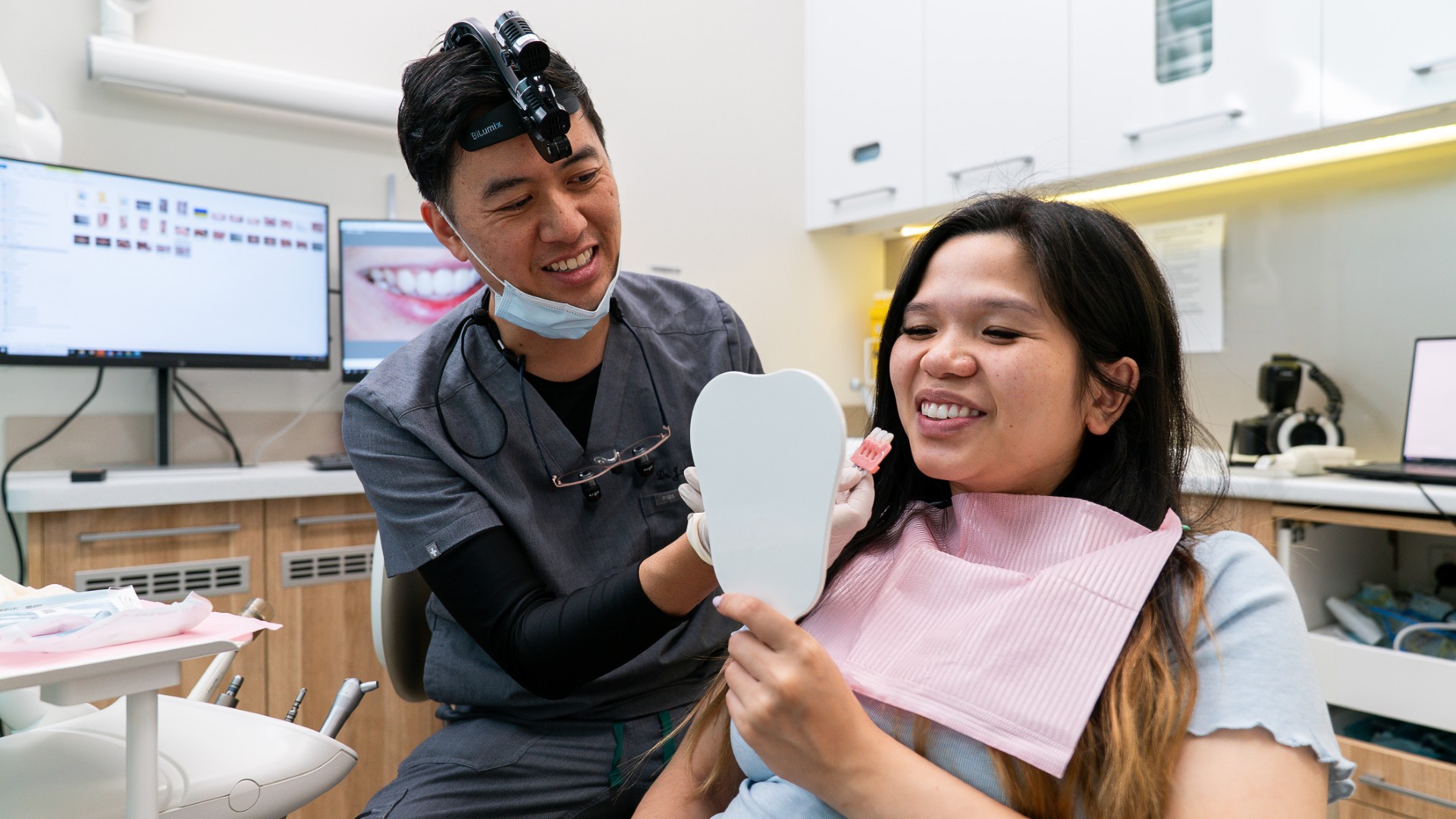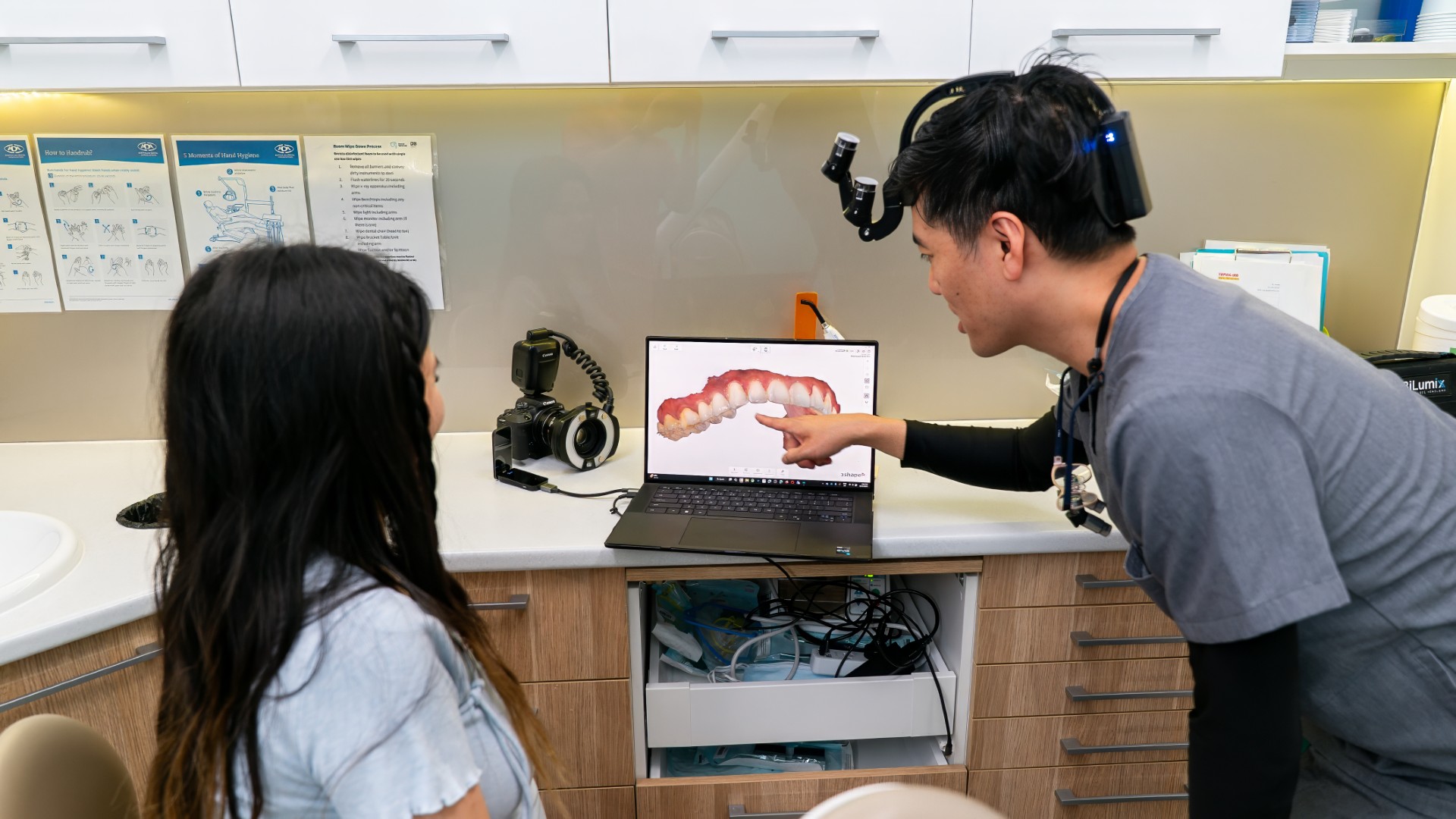
For people whose fear of the dentist is strong enough to keep them away for years, IV sedation is one way treatment can be made bearable. A sedative is given through a fine tube in a vein, you become deeply relaxed and drowsy, and many people remember little of the appointment afterwards. You are not unconscious, and that is the main difference from a general anaesthetic.
This guide explains what IV sedation involves, how it is regulated in Australia, who it may suit and what the day looks like. IV sedation is available at Lumi Dental, for example for implant surgery and for anxious patients, and you can read how it works there on our IV sedation page.
You stay conscious, but relaxed and drowsy
With IV sedation, a small cannula is placed in the back of the hand or the arm and the sedative is given through it, so the dose can be adjusted during treatment. You keep breathing on your own and can usually respond when someone speaks to you. Local anaesthetic is still used to numb the tooth or gum being treated, because sedation calms you but does not block pain on its own.
People often call this twilight sedation or sleep dentistry. Those names can be misleading. You are not asleep in the way you are under a general anaesthetic.
How it differs from a general anaesthetic
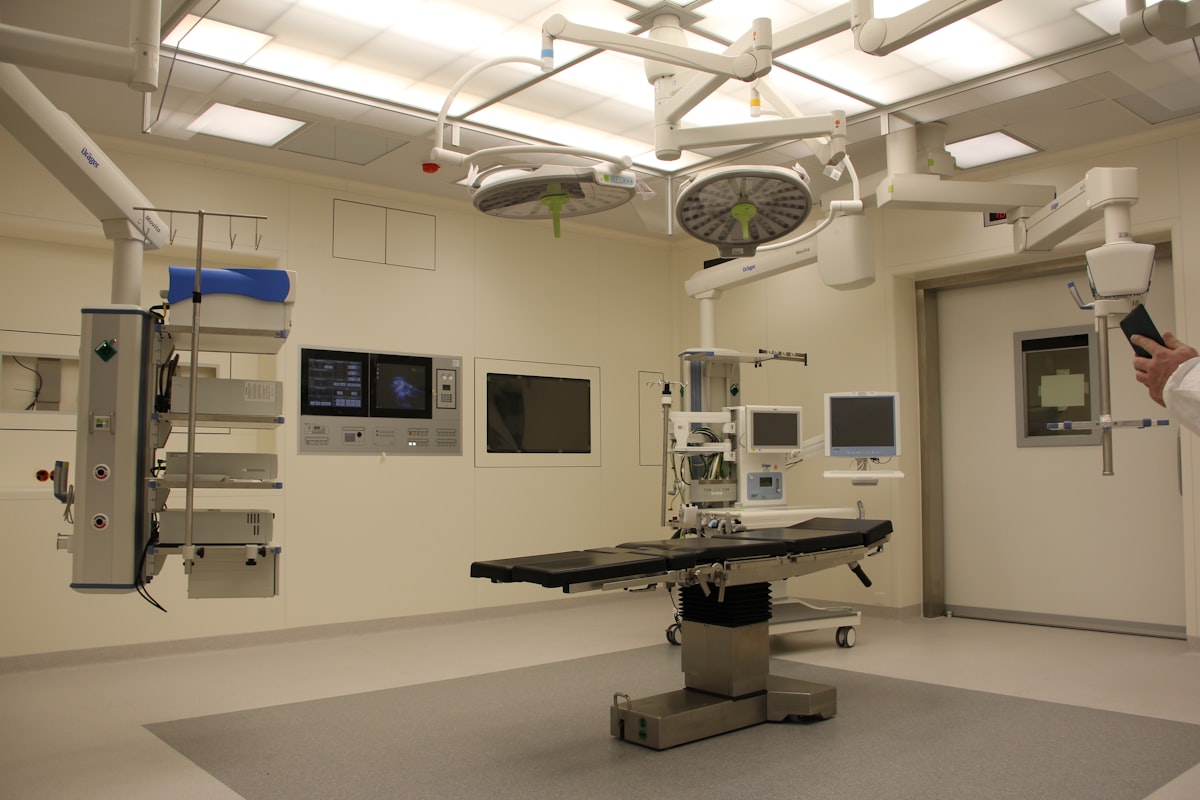
A general anaesthetic makes you fully unconscious. It is given by an anaesthetist, usually in a hospital or day surgery, and your breathing is supported and monitored throughout. It is generally kept for situations where chairside care is not possible, such as very young children with extensive decay or people who cannot manage treatment awake.
Lumi Dental does not provide general anaesthetic. If it is the right option for you, we can talk through a referral. Our guide to dental treatment under general anaesthetic explains how that works.
Lighter options suit many nervous patients
Not everyone who is anxious needs IV sedation. Alongside IV sedation, Lumi Dental offers relative analgesia (nitrous oxide, often called happy gas), inhaled pain relief and oral sedation, and for many people these lighter options, together with a calm explanation and time to ask questions, are enough. Our article on dental sedation options for anxious adults compares them.
The safety framework in Australia
Procedural sedation in Australia is guided by the Australian and New Zealand College of Anaesthetists guideline PG09(G), which covers assessment before sedation, monitoring, staffing, and equipment and facilities, and applies to dentists who provide sedation as well as to doctors. Before IV sedation you should expect questions about your medical history, current medicines, breathing and any past reactions to sedation or anaesthetic. Some health conditions mean sedation needs extra care or a different setting.
Who it may suit
- People with severe dental anxiety or a phobia.
- People with a strong gag reflex that makes treatment difficult.
- People having a longer procedure, such as surgical removal of wisdom teeth or implant surgery.
Whether it suits you depends on a medical assessment, not only on how nervous you feel. Our article on wisdom teeth removal and sedation options covers one common situation.
On the day and the day after
You will be given written instructions, including whether and for how long to fast, and it is important to follow them exactly. Bring a responsible adult who can take you home and stay with you.
The effects of sedation can last longer than they feel. Hospital patient information, for example from University College London Hospitals NHS Foundation Trust, advises that an adult takes you home and may need to stay with you overnight, and that for 24 hours you do not drive, use machinery, drink alcohol, sign important documents or make significant decisions. Our guide to time off work and driving after dental surgery or sedation helps you plan.
Cost
Sedation is charged in addition to the dental treatment itself, and the cost depends on the type of sedation and how long the appointment takes. Ask for a written treatment plan with fees that lists the sedation and the dental work separately. Lumi's current offers are listed on the current deals page linked below.
Talk to us first
If fear has been keeping you from the dentist, a free consult for nervous patients at Lumi Dental in Melrose Park is a low-pressure place to start. We can talk through what worries you, what treatment you need and whether IV sedation or a lighter option may suit you.