

Cuts to the lips and mouth are among the most common injuries after a fall, a sports knock or a bump to the face, and they look alarming because the lips, gums and tongue have a rich blood supply and bleed heavily even from a small wound. The reassuring news is that most mouth cuts heal quickly and well. The important news is that any lip laceration needs the teeth and jaw checked too, because the same impact that splits a lip often damages teeth.
Key takeaways
- Apply firm, steady pressure for around 10 to 15 minutes to control bleeding.
- Cuts inside the lip or mouth often heal without stitches, while cuts crossing the lip border may need them.
- Always check the mouth for chipped, loose or missing teeth after a lip injury.
- A cut that hides a tooth fragment, gapes open or will not stop bleeding needs professional care.
- Cold packs, soft food and gentle salt-water rinses help healing over the first few days.
The one rule that prevents the worst outcomes: check the teeth, not just the lip
The single most important habit after any lip or mouth cut is to look past the obvious bleeding and check the teeth and bite. A blow strong enough to split a lip is often strong enough to chip, loosen or knock out a tooth, and a missing fragment of tooth can even end up buried in the lip wound. Stopping the bleeding is step one, but examining the teeth is what stops a hidden injury being missed.
First aid, step by step
Stay calm and reassure
Mouth wounds bleed dramatically, which frightens children especially. Calm reassurance makes pressure and cleaning much easier.
Control the bleeding
Use a clean cloth or gauze and apply firm, steady pressure to the area for about 10 to 15 minutes without lifting to peek, which restarts the bleeding. For a lip, you can press gently between finger and thumb. Most mouth bleeding settles in this time.
Clean the wound
Once bleeding slows, rinse a cut on the outer lip or face with water and mild soap, without scrubbing. For cuts inside the mouth, a gentle rinse with water or dilute salt water is enough.
Reduce swelling
Apply a cold pack or let the person suck on an ice block for 10 to 15 minutes at a time over the first day. This eases both swelling and discomfort.
When stitches or professional care are needed
Seek prompt care if any of the following apply:
- The cut crosses the border of the lip, where the lip meets the skin. Even small cuts here are stitched to keep the lip line even and reduce scarring.
- The wound gapes open, is deep, or is longer than about one centimetre.
- Bleeding does not stop after 15 minutes of firm pressure.
- There is gravel, grit or a possible tooth fragment in the wound.
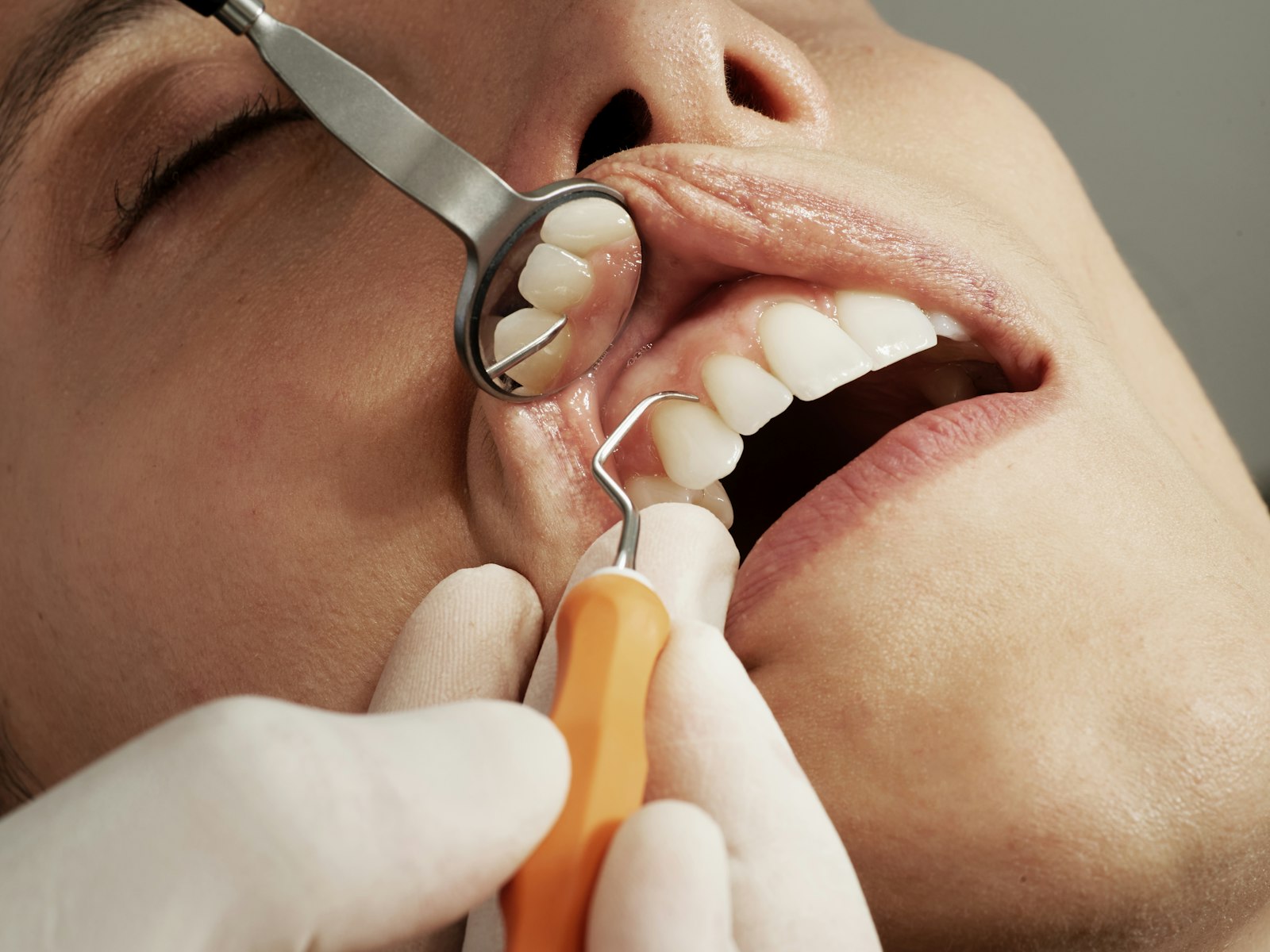
- A tooth is chipped, loose, pushed out of position or knocked out.
- The bite feels different, the jaw will not open or close normally, or there is numbness, which can signal a jaw fracture.
Cuts that need closing are best treated within a few hours. In children, facial stitches are often removed in about three to five days, and small wounds may be closed with tissue glue instead.
Caring for the wound while it heals
Over the first few days, stick to soft, cool foods and avoid anything sharp, salty or acidic that stings an open cut. Rinse gently with warm salt water after meals to keep the area clean, and keep up brushing of the teeth while being careful around the wound. A cut inside the mouth often looks worse before it looks better, developing a whitish film as it heals, which is normal. See a dentist or doctor if the area becomes increasingly red, swollen, painful or starts discharging pus, which can indicate infection.
When to think about tetanus
For dirty wounds, or if it has been a long time since the last tetanus booster, check with a doctor about whether a booster is needed. This is more relevant for outdoor injuries involving soil or dirty objects than for a clean indoor knock.
Frequently asked questions
Why do lips bleed so much?
The lips and the lining of the mouth have a very rich blood supply, so even a minor cut can bleed freely. Heavy bleeding does not always mean a serious wound.
Do cuts inside the lip need stitches?
Usually not. Cuts on the inner lip and inside the mouth tend to heal well on their own. Cuts that cross the outer lip border are the ones that most often need stitches.
How do I know if a tooth is also damaged?
Look for chips, looseness, a tooth out of line, or a gap. If a piece of tooth is missing and unaccounted for, it may be lodged in the lip and needs imaging.
How long does a lip cut take to heal?
Minor mouth cuts often heal noticeably within a few days to a week, helped by the mouth's good blood supply. Larger or stitched wounds take longer.
Can I give pain relief?
Yes, over-the-counter pain relief at the dose on the packet is usually fine. Cold packs also help. Check with a pharmacist or doctor for young children.
Stop the bleeding, then check the whole picture
Most lip and mouth cuts heal well with simple first aid, but the step people forget is checking the teeth and bite. If the same knock chipped or loosened a tooth, see our guides to a loosened tooth and a knocked-out tooth, and if you suspect a jaw injury, read first aid for a suspected broken jaw. For an assessment after facial trauma, contact the team at Lumi Dental.
This article is general first-aid information and not a substitute for urgent medical or dental care when a wound is deep, will not stop bleeding, or involves possible tooth or jaw damage.


