
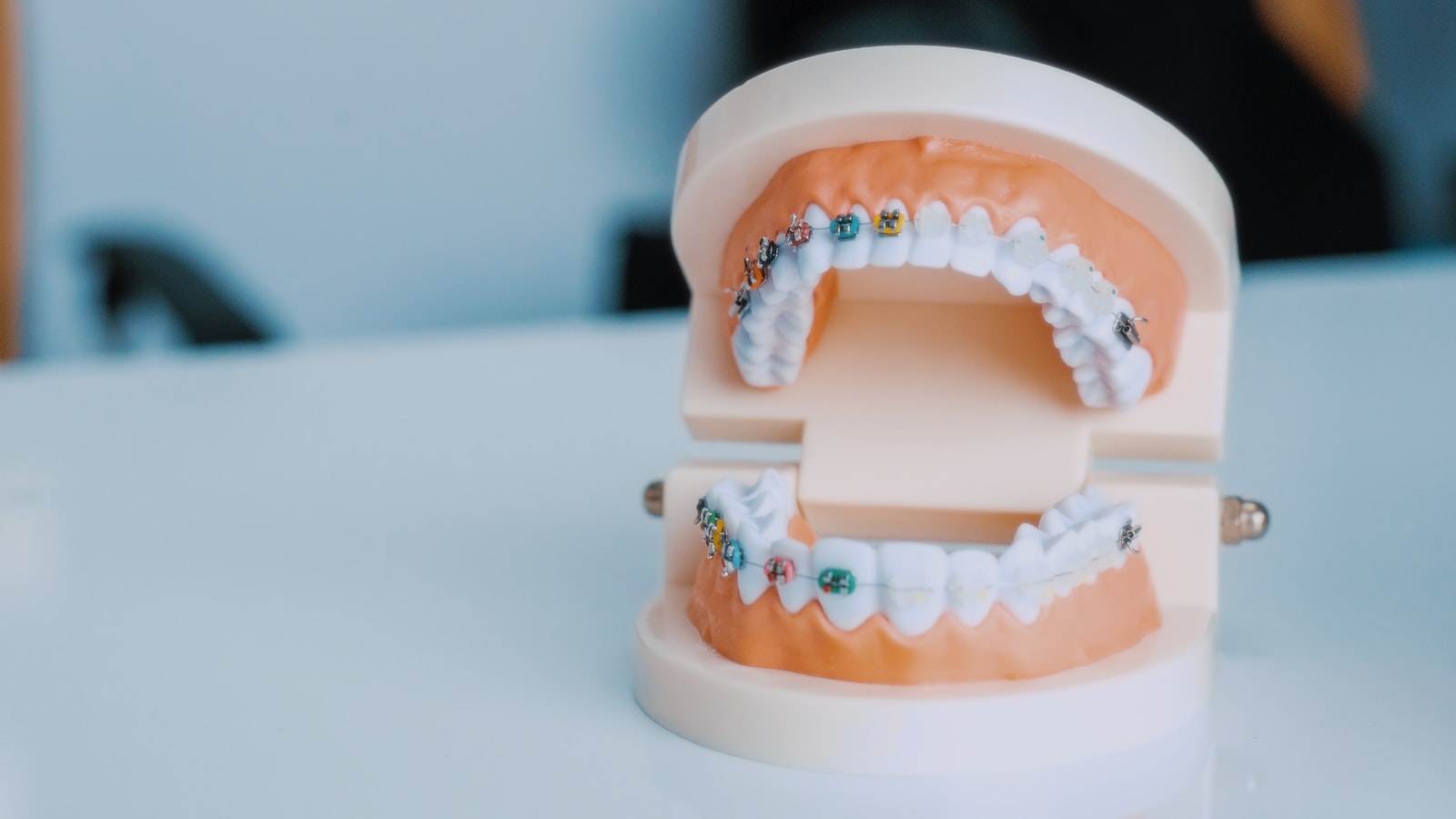

Shovel-shaped incisors are front teeth with raised ridges along the sides of the back surface, giving the tooth a scooped, shovel-like hollow, and they are a completely normal inherited variation in tooth shape. They are not a disease or a defect. The trait is passed down in families and is far more common in some populations than others. For most people it makes no difference to dental health, though the deeper scoop can occasionally trap a little more plaque.
Key takeaways
- Shovelling refers to prominent ridges on the tongue side of the upper incisors that enclose a scooped hollow.
- It is an inherited trait, strongly linked to a common variant in a gene called EDAR.
- The trait is frequent in East Asian and Indigenous American populations and rare in most European and African groups.
- It is harmless and needs no treatment, but the deeper hollow can hold plaque, so good cleaning helps.
- Dentists and anthropologists note the trait because it varies so predictably between populations.
What shovel-shaped incisors are
Turn an upper front tooth around and look at the surface facing the tongue. In a shovel-shaped incisor, the two side edges are raised into ridges, and the centre is hollowed out, so the whole surface resembles the scoop of a shovel or a small spade. The degree varies from a faint ridge to a deep, pronounced scoop. It is most obvious on the upper central and lateral incisors. The trait is measured by dentists and researchers on graded scales, from barely present to strongly expressed.
What causes the shape
Tooth shape is largely inherited, and shovelling is one of the clearest examples. It is strongly associated with a common variant in the EDAR gene, which influences the development of teeth, hair, and sweat glands. This variant arose and spread widely in ancestral East Asian populations, which is why the trait shows a marked geographic pattern. Because it is genetic, there is nothing you do to cause or prevent it, and it says nothing about how well you look after your teeth.
The one thing worth knowing
The single practical point is that a deeper scoop can hold a little more plaque behind the front teeth, so cleaning that surface well matters. Beyond that, shovel-shaped incisors need no special treatment. They are a variation, not a problem, in the same way that our guides to small teeth and large teeth describe other normal differences in tooth size and shape.
| Population group | Frequency of shovelling | |
|---|---|---|
| Indigenous American groups | Very high, approaching universal in some | |
| East Asian populations | Common, around a third or more | |
| European and African groups | Rare or absent |
Does it affect dental care?
For the vast majority of people, no. The teeth function normally and look normal from the front. The two small considerations are cleaning the scooped back surface thoroughly, and, occasionally, that a very deep hollow can have a groove where the ridges meet that is worth keeping an eye on for early decay. Regular check-ups pick up any such spot early. If the shape ever affects appearance, cosmetic options exist, though they are rarely needed.

General cost guide
Shovel-shaped incisors need no treatment, so there is usually no cost beyond a routine check-up. The figures below are general market ranges across Australian clinics, not a Lumi quote.
| Item | General cost guide (AUD) |
|---|---|
| Routine examination | $60 to $250 |
| Preventive check and clean | $150 to $350 |
You can view current new patient offers on our current deals page.
When to see a dentist
There is no need to see a dentist about the shape itself. Keep up your usual check-ups, where any early decay in a deep groove can be caught and where questions about tooth shape are welcome. For related reading, see our guides to the cusp of Carabelli, another inherited tooth shape trait, peg lateral incisors, and the bumps on new adult teeth.
Frequently asked questions
Are shovel-shaped incisors a problem?
No. They are a normal inherited variation in tooth shape and cause no health problems. The only tip is to clean the scooped back surface well.
Why do I have them and my friend does not?
The trait is genetic and much more common in some ancestries than others, so it varies widely between individuals and populations.
Do shovel-shaped incisors get more cavities?
Not markedly, but a deep hollow can trap slightly more plaque, so thorough cleaning behind the front teeth is worthwhile. Regular check-ups catch any early decay.
Can they be changed cosmetically?
They rarely need any change, as they look normal from the front. If shape is a concern, cosmetic options can be discussed, but treatment is optional.
Are they related to any health condition?
No. The gene involved also affects hair and sweat glands in subtle ways, but shovelling itself is simply a variation and is not a sign of any illness.
If you have questions about the shape of your teeth, the team at Lumi Dental in Melrose Park is happy to take a look at your next visit. Learn more about our general dental care or see our current offers.
This article is general information only and is not a substitute for personalised advice from a dental professional.


