

After a traumatic brain injury, looking after the teeth often becomes harder at exactly the time it matters most. Memory and motivation can change, movement and coordination may be affected, many medicines cause a dry mouth that speeds up decay, and grinding or clenching is common. None of this is anyone's fault, and good routines plus a supportive dental team make a real difference. This guide is for families and carers supporting someone through recovery and beyond.
Key takeaways
- Dry mouth from medicines is one of the biggest dental risks after a brain injury.
- Grinding and clenching are common and can wear or crack teeth; a night guard may help.
- Memory and movement changes can disrupt daily brushing, so carer support and routines matter.
- Tell the dental team about medicines, swallowing difficulties, and seizures before the visit.
- Short, calm, well-timed appointments work best.
Why dental risk rises after a brain injury
Several changes stack up after a traumatic brain injury, and together they raise the risk of decay and gum problems.
Dry mouth from medication
Many medicines used after a brain injury, including some for mood, behaviour, muscle spasm, and seizures, reduce saliva. Saliva normally washes away food and neutralises acid, so a dry mouth lets decay and gum disease develop faster. This is often the single biggest dental risk, and it is very manageable once recognised.
Grinding and clenching
Bruxism, the grinding or clenching of teeth, is common after a brain injury, whether from neurological changes or stress. Over time it wears enamel, chips teeth, and can cause jaw soreness. A custom night guard can protect the teeth where grinding is significant.
Changes in memory and movement
Brushing relies on remembering to do it and being able to do it well. After a brain injury, memory lapses, reduced motivation, weakness, or poor coordination can all interrupt the routine, so plaque builds up.
Practical daily mouth care
Small, consistent steps protect the teeth and are easier to sustain than complicated routines.
| Challenge | What helps |
|---|---|
| Dry mouth | Frequent sips of water, sugar-free gum if safe, dry-mouth gels or sprays, fluoride toothpaste |
| Grinding | A dentist-made night guard; review of triggers |
| Hard to grip a brush | Electric toothbrush or a thick, easy-grip handle |
| Forgetting to brush | Set times, reminders, and a visible routine; carer prompting |
| Limited dexterity for flossing | Floss holders or interdental brushes |
Brush twice a day with fluoride toothpaste, ideally with someone prompting or assisting if needed. Sit the person upright and stable with good light, and stand slightly to the side or behind for assisted brushing. Cut down on sugary drinks and snacks, which do most damage in a dry mouth. If swallowing is affected, use only a small smear of toothpaste and avoid rinsing with a lot of water.

Planning a safe dental visit
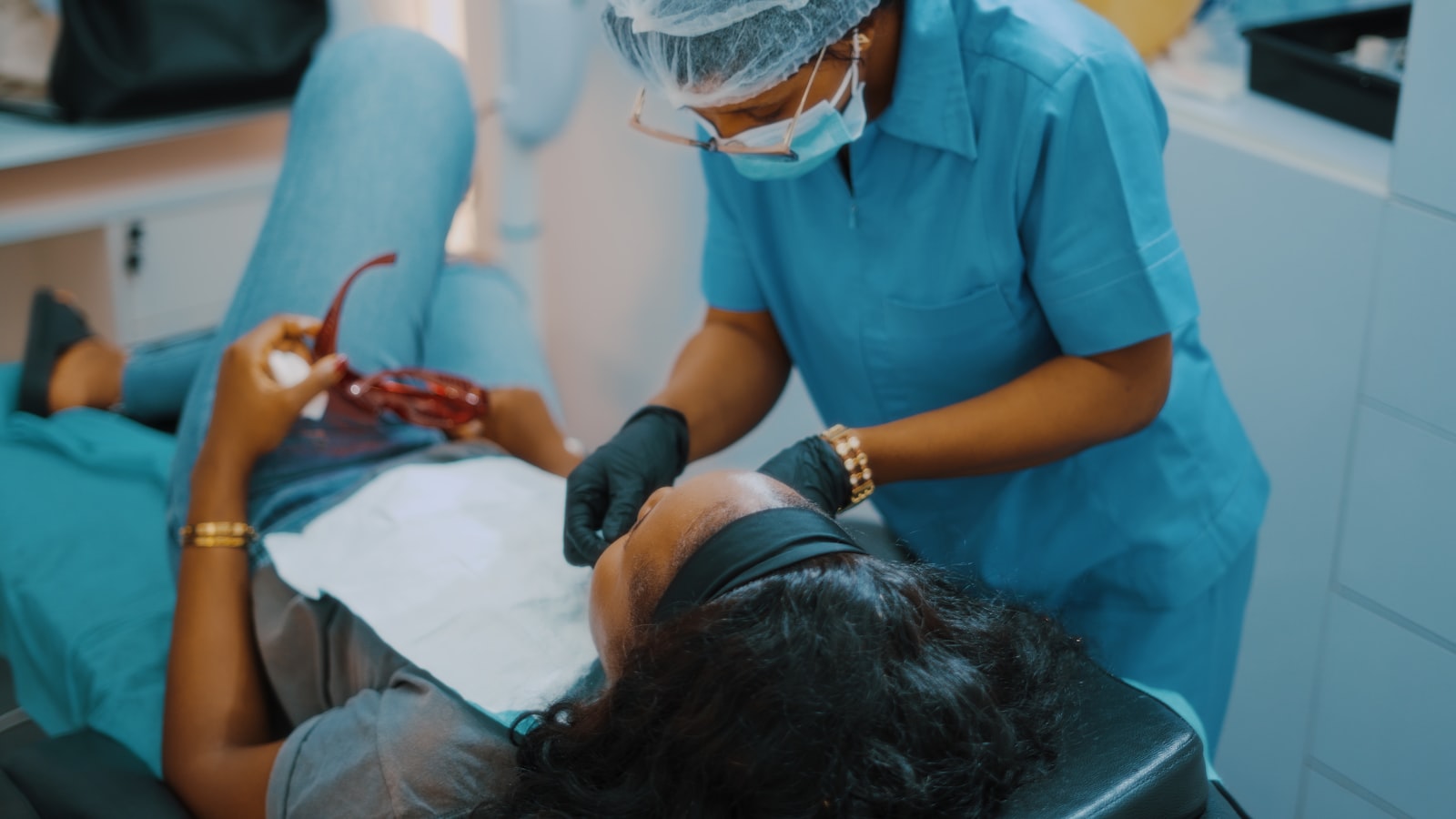
A short conversation before the appointment helps the team prepare. Share the full medicine list, any swallowing difficulty (dysphagia), seizure history, communication needs, and what helps the person stay calm. During treatment, the team may keep the person more upright to protect the airway, use suction often, and work in short bursts with breaks. Bring along familiar comforts and choose a time of day when the person is most settled and least tired.
Because care after a brain injury involves many professionals, dentistry works best as part of the team. Keeping the dentist updated when medicines change is important, since new medicines can alter dry mouth and bleeding risk. For related guidance, see our articles on oral care after a stroke and seizure medicines and the gums.
When to seek help sooner
Book a dental visit if you notice a broken or worn tooth, ongoing toothache, bleeding or swollen gums, mouth ulcers that do not heal, or signs of pain in someone who cannot easily say so, such as refusing food, pawing at the face, or new restlessness at mealtimes. Catching problems early avoids more complex treatment later.
Frequently asked questions
Why does my family member grind their teeth after the injury?
Grinding is common after a brain injury, from both neurological changes and stress. A dentist can check for wear and make a night guard to protect the teeth if needed.
Their mouth is always dry. Is that harming their teeth?
A dry mouth, usually from medicines, raises the risk of decay because saliva is no longer protecting the teeth. Frequent water, fluoride, and dry-mouth products help, and a dentist can advise on the best combination.
How can I make brushing easier?
An electric or easy-grip toothbrush, a set routine with prompts, and assisting from the side or behind all help. Keep sessions short and calm, and praise effort rather than insisting on perfection.
What should I tell the dentist?
Share all medicines, any swallowing or seizure issues, communication needs, and what keeps the person comfortable. This lets the team plan a safe, low-stress visit.
Talk to the team at Lumi Dental
If you are supporting someone after a brain injury, the team at Lumi Dental can help build a manageable routine and plan calm, safe visits. Lumi Dental does not list its own prices here. See our current deals, ask for a written quote, or book with a general dentist in Melrose Park.
This article is general information only and is not a substitute for personal dental or medical advice. Please see a dentist about your own situation.


