



Veneers are designed to last for years, but they are not indestructible. A porcelain veneer commonly lasts around 10 to 15 years and a composite veneer often 4 to 8 years, after which wear, staining or a chip may call for repair or replacement. Knowing in advance what can be fixed and what cannot saves stress when a veneer chips before an event or pops off unexpectedly. The good news is that many problems are minor, and even a debonded veneer is rarely an emergency in the painful sense, though it is worth acting on quickly.
Key takeaways
- Composite veneers can often be repaired directly in the chair, while porcelain usually needs replacing rather than patching.
- A veneer that comes off cleanly can sometimes be re-bonded if you keep it safe and see your dentist soon.
- Porcelain veneers commonly last 10 to 15 years and composite veneers 4 to 8 years before replacement.
- The single rule for a lost veneer: keep the tooth clean, save the veneer, avoid glue and book in promptly.
- Replacing a veneer removes a little more tooth surface, so protecting the ones you have matters.
The one rule if a veneer falls off
If a veneer comes loose or off, do not try to glue it back yourself. Household and superglue products are not safe for the mouth, can damage the veneer and the tooth, and make professional re-bonding far harder. Instead, keep the veneer in a small container, keep the exposed tooth clean by brushing gently, avoid chewing on that side, and contact your dentist. A veneer that detached cleanly, without breaking, can sometimes be re-bonded. The tooth underneath may feel slightly rough or sensitive in the meantime, which is normal.
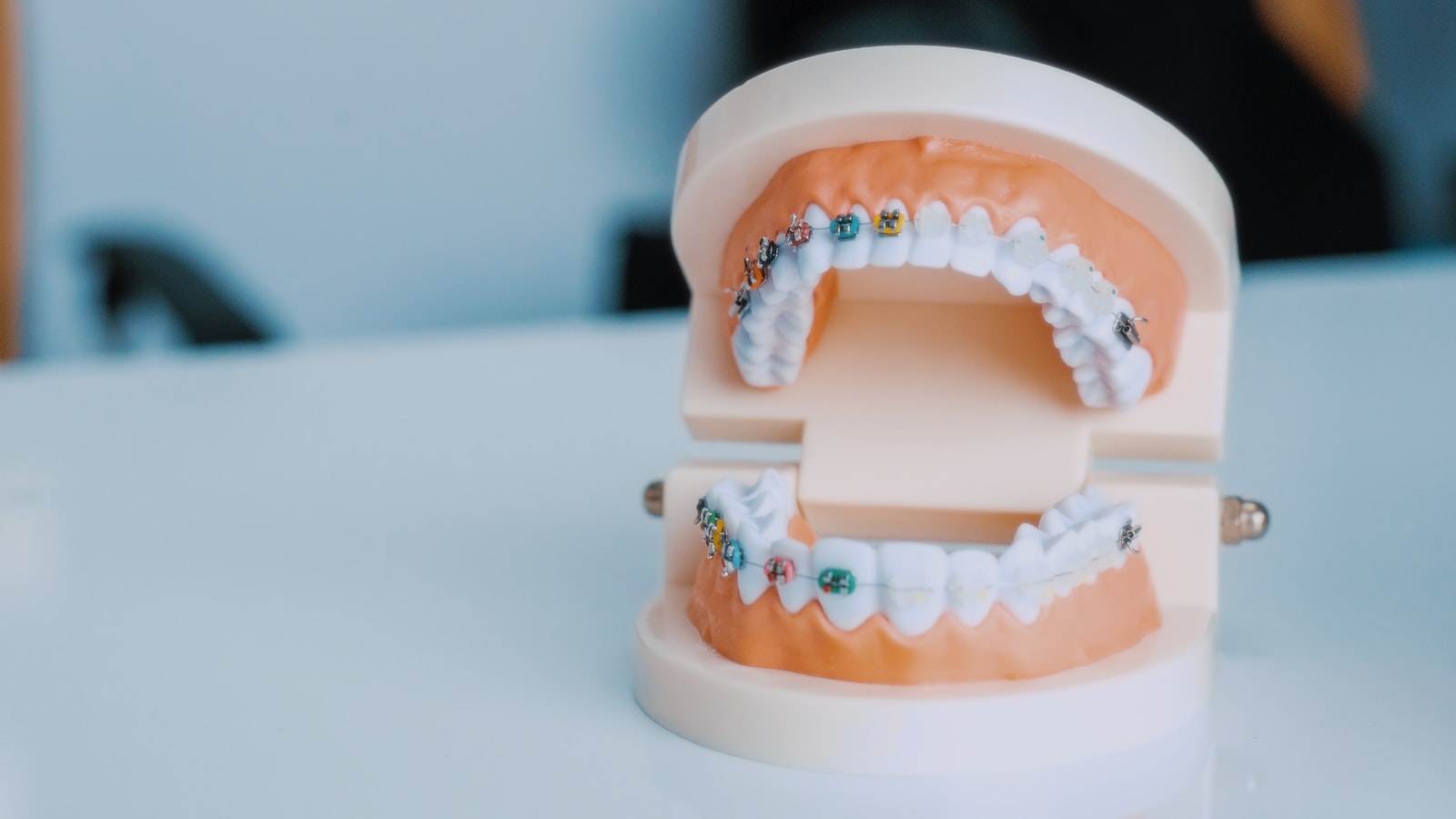
Repair or replace? What decides it
Two things decide whether a veneer is repaired or replaced: the material and the type of damage. Composite veneers are built up from a tooth-coloured resin, so a chip can often be repaired by adding fresh composite directly, blended to match. Porcelain is a fired ceramic that cannot be added to in the same way, so a chipped or cracked porcelain veneer usually needs a new one made, though tiny edge chips can sometimes be polished smooth. A veneer that has simply debonded, with no fracture, is the most repairable situation of all because it may just need re-cementing.
| Problem | Composite veneer | Porcelain veneer |
|---|---|---|
| Small chip | Often repaired with added resin | Polish, or replace if visible |
| Came off intact | Re-bond, or rebuild | Often re-bonded |
| Cracked or broken | Repair or replace | Usually replace |
| Stained or dull edges | Polish or resurface | Replace, porcelain does not stain easily |
| Gum recession showing a line | Replace or extend | Replace |
How long veneers last
Lifespan depends on the material and how they are treated. Porcelain is more durable and stain-resistant, commonly lasting 10 to 15 years and sometimes longer. Composite is more affordable and easier to repair, but typically lasts 4 to 8 years before it dulls or chips. Habits matter enormously. Grinding, biting nails, opening packaging with teeth and chewing very hard foods all shorten a veneer life. If you grind at night, a night guard is one of the best protections you can have. For a deeper comparison of materials, see our guide to types of veneers and composite bonding versus veneers.

What replacement involves
Replacing a porcelain veneer means removing the old one, refreshing the tooth surface and fitting a new veneer, often with a temporary in between while the new one is made. Because a little tooth surface is prepared each time, looking after the veneers you have is worth the effort. A well-maintained veneer that is simply re-bonded rather than replaced preserves more of your natural tooth. This is one reason regular reviews help: catching a lifting edge early can mean a re-bond instead of a remake. Our guide on caring for veneers covers the daily habits that extend their life, and do veneers ruin your teeth explains the tooth-preparation question.
Preventing the next problem
Most veneer damage is avoidable. Wear a night guard if you grind, avoid using your teeth as tools, go easy on very hard or chewy foods on veneered teeth, and keep up gentle but thorough cleaning so the gum line stays healthy. Staining around the edges of composite veneers responds well to a polish at routine visits. These small habits are far cheaper than a remake and keep your smile looking its best for longer.
Frequently asked questions
Can a chipped veneer be fixed without replacing it?
Often yes for composite, which can be repaired with added resin. Porcelain chips are sometimes polished, but a visible chip in porcelain usually means a new veneer.
My veneer fell off, is it an emergency?
It is not usually painful, but it is worth acting on quickly. Keep the veneer, keep the tooth clean, avoid glue and book in. The exposed tooth can be sensitive until it is re-bonded.
Can I glue my veneer back on temporarily?
No. Household glues are unsafe and can ruin the chance of a clean re-bond. Keep the veneer dry and safe and let your dentist re-bond it properly.
How often do veneers need replacing?
Porcelain commonly lasts 10 to 15 years and composite 4 to 8 years, but this varies with your habits and how well they are maintained.
Does replacing a veneer damage the tooth?
Each replacement prepares a little tooth surface, so re-bonding an intact veneer is preferable where possible. This is why early reviews and good care matter.
The bottom line
A chipped or lost veneer is usually fixable, and acting calmly and quickly gives the best outcome. Composite is often repaired in the chair, porcelain is more often replaced, and an intact veneer that simply came off can frequently be re-bonded. The team at Lumi Dental can assess what your veneer needs and protect the natural tooth underneath. Because veneer work is a cosmetic investment, we invite you to book a complimentary cosmetic consultation via our cosmetic consult page or learn more about composite bonding and veneers. Lumi Dental does not list its own prices here, and any estimate is given as a written quote after assessment.

