


A salivary gland infection, known medically as sialadenitis, is an infection or inflammation of one of the salivary glands, and it usually causes painful swelling near the ear or under the jaw. The glands that make your saliva can become infected by bacteria or viruses, or inflamed when their flow is blocked. Most cases are managed well once the cause is identified, but a hot, spreading, or rapidly worsening swelling needs prompt medical care.
Key takeaways
- Sialadenitis most often affects the parotid gland in front of the ear or the submandibular gland under the jaw.
- Viruses, with mumps being the classic example, are a common cause, and bacteria, especially Staphylococcus aureus, cause acute bacterial infections.
- Reduced saliva flow, often from dehydration, a blocking stone, or dry mouth, sets the stage by letting germs travel up the duct.
- Treatment depends on the cause and may include fluids, warm compresses, gland massage, and antibiotics or antivirals.
- A high fever, a firm hot swelling, difficulty opening the mouth, or trouble swallowing needs urgent assessment.
How the salivary glands get infected
You have three pairs of major salivary glands: the parotid glands in front of and below each ear, the submandibular glands under the jaw, and the sublingual glands under the tongue. Saliva normally washes constantly down their ducts into the mouth, carrying germs away with it. When that flow slows, from dehydration, a duct blocked by a stone, certain medicines, or a dry mouth, bacteria from the mouth can travel up the duct and infect the gland. Viruses reach the glands through the bloodstream, which is how mumps causes its well known parotid swelling.
Viral versus bacterial
Understanding the cause guides treatment. Viral infections, of which mumps is the most familiar, often affect the parotid gland and can involve both sides. Other viruses including influenza and some common respiratory viruses can also be responsible. Bacterial infections tend to affect one gland, come on with more intense pain and firmness, and sometimes produce pus at the duct opening. Bacterial cases are frequently linked to reduced saliva flow, which is why unwell, dehydrated, or hospitalised people are more prone to them.

The single most useful principle
Saliva flow is the mouth's natural defence for these glands, so the guiding principle in both prevention and recovery is to keep saliva moving. Staying well hydrated, gently massaging the gland, applying warm compresses, and using sour or sugar free lollies to stimulate flow all help clear the duct. When an infection is bacterial, these measures work alongside antibiotics rather than replacing them, but restoring flow is central to settling the gland and preventing repeat episodes.
| Feature | Often viral (e.g. mumps) | Often bacterial |
|---|---|---|
| Sides affected | Frequently both | Usually one |
| Onset | Gradual, with general viral symptoms | Rapid, intensely painful |
| Pus at duct | No | Sometimes |
| Main treatment | Rest, fluids, supportive care | Antibiotics plus flow measures |
Symptoms to look for
Typical symptoms include swelling and tenderness over the affected gland, pain that worsens at mealtimes as saliva production rises, a reduced or altered taste, and sometimes a fever or a bad taste from pus draining into the mouth. A gland that is hot, hard, and rapidly enlarging, or swelling that starts to affect breathing, swallowing, or mouth opening, is a warning sign that needs same day medical attention.
How it is treated
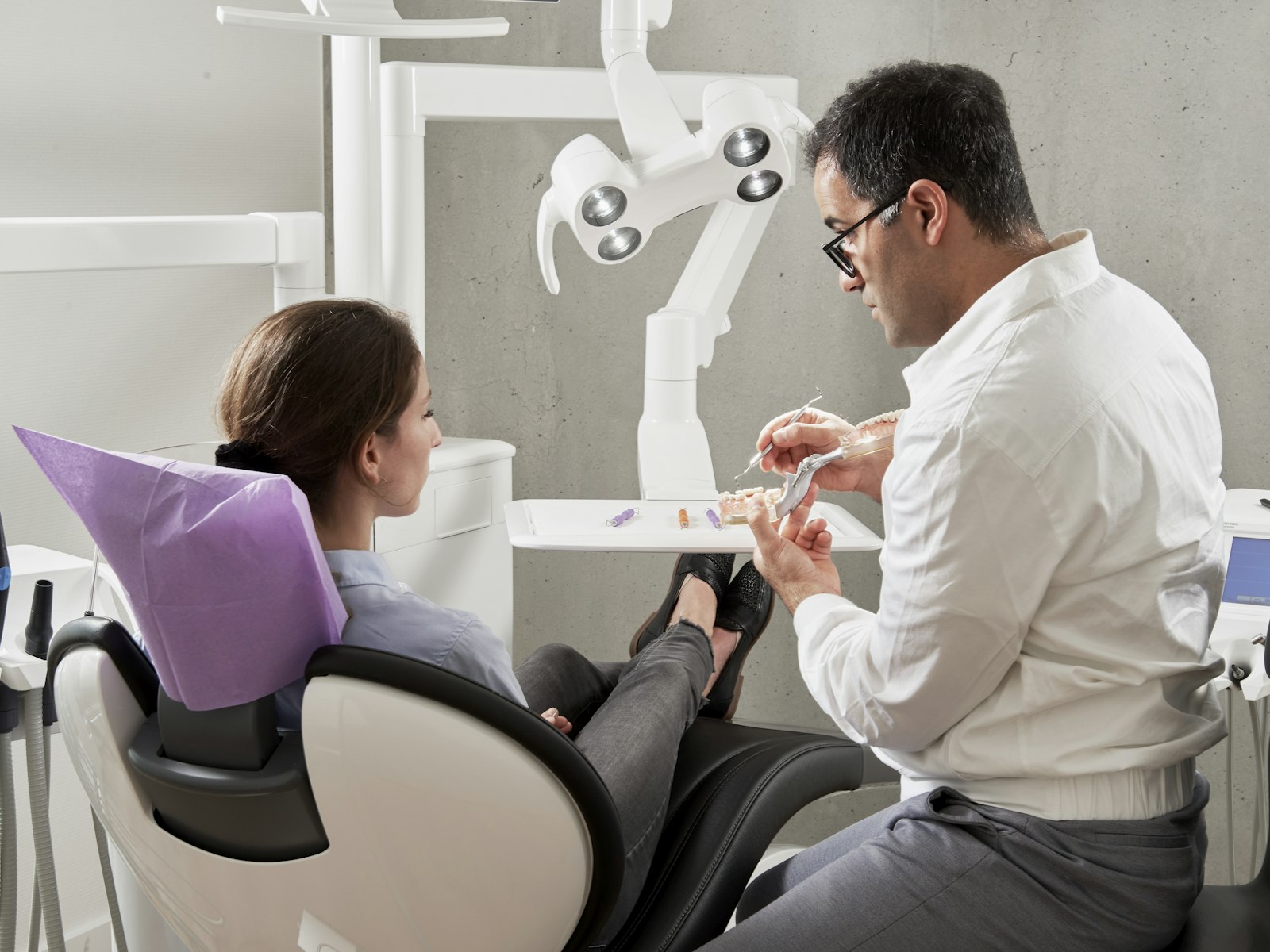
For viral causes such as mumps, care is supportive: rest, fluids, pain relief, and time, since these settle on their own. Mumps is also largely preventable through routine childhood vaccination. Bacterial infections are treated with antibiotics along with the flow measures above. If a salivary stone is blocking the duct, it needs to be removed to let the gland drain, which our guide to salivary gland stones explains. Recurrent or complicated cases may be referred for imaging and specialist assessment. Managing a dry mouth also matters, as covered in our dry mouth guide.
General cost guide
The figures below are general market ranges across Australian clinics, not a Lumi quote. Some care is provided by your doctor rather than a dentist.
| Item | General cost guide (AUD) |
|---|---|
| Examination and diagnosis | $60 to $250 |
| Imaging (ultrasound or X-ray), if needed | $100 to $400 |
You can view current offers on our current deals page, and we will always provide a written estimate first.
When to seek urgent care
Seek same day medical care for a high fever with gland swelling, a firm hot enlarging lump, difficulty opening the mouth or swallowing, or any swelling that affects breathing. These features can signal a spreading infection. For related reading, see our guides to a ranula under the tongue and a lip mucocele, which are non infectious salivary problems.
Frequently asked questions
Is a salivary gland infection serious?
Most settle with the right treatment, but a spreading bacterial infection can become serious, which is why a hot, rapidly worsening swelling needs prompt care.
Is sialadenitis contagious?
The gland infection itself is not usually passed on, but viral causes like mumps are contagious. If mumps is suspected, follow medical advice on isolation.
What is the difference between mumps and a bacterial gland infection?
Mumps is a viral infection that often swells both parotid glands and is prevented by vaccination, while a bacterial infection usually affects one gland, is intensely painful, and needs antibiotics.
How can I help it heal at home?
Stay well hydrated, apply warm compresses, gently massage the gland toward the mouth, and use sour or sugar free lollies to encourage saliva flow, alongside any medicine you have been prescribed.
Can it come back?
Yes, especially if there is an ongoing cause such as a dry mouth or a stone. Keeping saliva flowing and treating the underlying cause reduces the chance of repeat episodes.
If you have painful swelling near your ear or jaw, the team at Lumi Dental in Melrose Park can help assess it and guide you on next steps. Learn more about our general dental care or see our current offers.
This article is general information only and is not a substitute for personalised advice from a dental or medical professional. If a swelling is hot, rapidly worsening, or affecting breathing or swallowing, seek urgent care.


