Feeling worse on day two than on the day of surgery is normal after wisdom teeth removal. Pain and swelling usually start to improve after a day or two, and the NHS notes that some symptoms can hang around for up to two weeks. The pattern to watch is the direction: things should be getting steadily better, not worse.
The first 24 hours are about the blood clot
A blood clot forms in each socket within the first hours, and the gum and bone heal underneath it. Most aftercare advice exists to keep that clot in place. The Better Health Channel advises avoiding excessive rinsing, sucking through a straw and spitting, because each of these can disturb it. It also suggests not smoking for 48 hours and avoiding alcohol and heavy physical activity in the early period.
On the day itself you will usually bite on gauze for a while to control oozing. If bleeding restarts, fold a clean piece of gauze, place it over the socket and bite firmly for at least 10 minutes. Rest with your head a little raised, take pain relief as your dentist advised before the numbness wears off, and choose soft food that needs little chewing.
Days two and three can feel like the hardest
Many people notice their cheeks look fuller and the jaw feels stiff around this time. Opening wide may be difficult, and some people develop bruising on the cheek. This is part of the normal inflammatory response to surgery, not a sign that something has gone wrong.
From the second day, gentle warm salt water held in the mouth after meals helps keep the area clean; the Better Health Channel advises waiting at least 24 hours before starting. Keep brushing your other teeth, taking care around the sockets. Paracetamol and ibuprofen are the pain relievers most often used after this kind of surgery, but check with your dentist or pharmacist which suits you and never go over the maximum dose on the packet. Our comparison of ibuprofen and paracetamol explains how they differ.
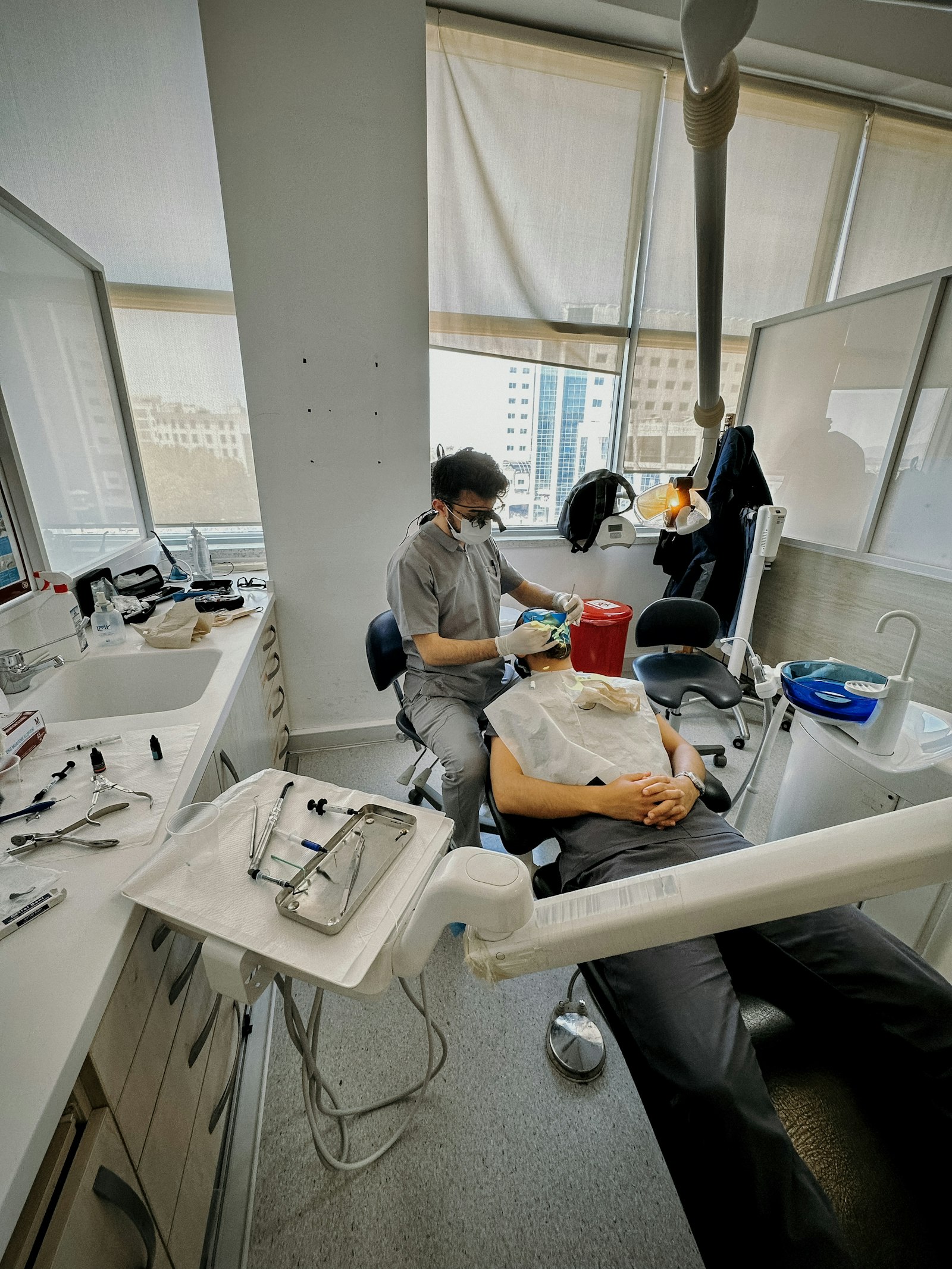
By the end of the first week most people feel close to normal
Swelling should be clearly going down by now, and many people stop needing regular pain relief. The NHS says most people can return to normal activities the day after removal, although one to three days off work is common after a more difficult extraction or a general anaesthetic. Food can gradually move back towards your usual diet, avoiding hard, crunchy or very small foods that lodge in the sockets. Our wisdom teeth food list has ideas for each stage.
Weeks two to four: the sockets keep filling in
Soreness has usually gone by the second week, but the holes in the gum take longer to close and can still trap food. If you had stitches, they are often the dissolving kind; our article on wisdom teeth stitches explains what to expect as they loosen and fall away. Bone continues to remodel under the gum well after the area feels healed.
Signs that healing is not on track
Contact your dentist if any of the following happen:
- pain that gets worse a few days after surgery instead of easing, often with a bad smell or taste, which can be a sign of dry socket
- bleeding that does not stop with firm pressure
- swelling that keeps increasing, pus, a fever or feeling unwell
- numbness or tingling of the lip, chin or tongue that is still there once the anaesthetic should have worn off
The NHS notes that nerve-related numbness usually improves but can last for weeks or months, so it is worth reporting early. If you have difficulty breathing or swallowing, call 000.
Questions about wisdom teeth recovery
When can I exercise?
Avoid strenuous exercise for the first couple of days, since raising your heart rate can restart bleeding. Light activity is usually fine once you feel up to it, building back gradually.
Is a bad taste normal?
A mild taste in the first few days is common while the sockets heal. A strong bad taste or smell together with worsening pain is worth a call to your dentist.
How is this different from recovery after other extractions?
Wisdom teeth are often removed surgically, so swelling and stiffness tend to be more noticeable than after a simple extraction. Our general tooth extraction recovery guide covers the more routine case.
Sources
Help after your procedure
If you are planning wisdom teeth removal or something does not feel right during recovery, the team at Lumi Dental in Melrose Park can help. Read about wisdom teeth removal at Lumi, contact us or see the current deals.