

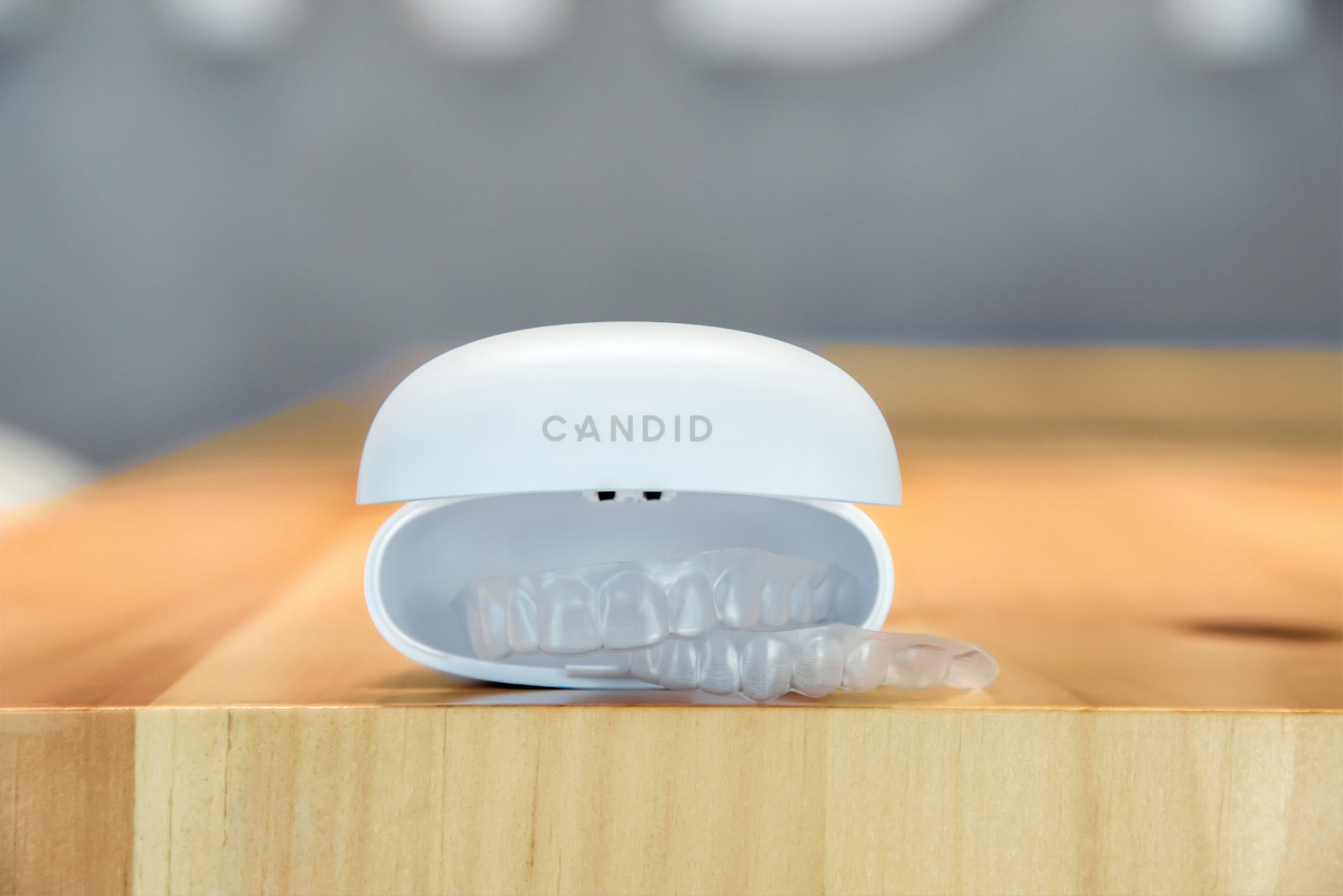

One of the most common questions adults ask before straightening their teeth is whether they have left it too late. The short answer is no. There is no upper age limit for braces or clear aligners, because teeth move through bone at any age. The single most important factor is not how old you are but how healthy your teeth and gums are. With healthy foundations, treatment works well into later life, and a growing share of orthodontic patients are now adults.
Key takeaways
- There is no upper age limit for braces or aligners; healthy teeth and gums matter more than age.
- Teeth move through bone at any age, though adult bone may respond a little more slowly.
- Most adult treatments take somewhere between 12 and 24 months depending on complexity.
- Options include traditional braces, tooth-coloured braces, clear aligners, and hidden lingual braces.
- Gum health needs to be stable before and during treatment for a good, lasting result.
Why age is not the barrier
Orthodontics works by applying gentle, steady pressure that prompts the bone around a tooth to remodel, letting the tooth move and then settle in its new position. This biological process continues throughout life. In adults the bone can respond a little more slowly than in teenagers, which sometimes means treatment takes marginally longer, but the result is just as achievable. What matters far more than the number on your birthday is the condition of the teeth and the gums supporting them.
The options for adults
Adults today have more discreet choices than ever. The table below compares the common routes.
| Option | Visibility | Typical notes |
|---|---|---|
| Metal braces | Most visible | Effective for complex cases, often the most economical |
| Tooth-coloured braces | Less visible | Ceramic brackets blend with the teeth |
| Clear aligners | Hard to notice | Removable, suit many mild to moderate cases |
| Lingual braces | Hidden behind the teeth | Fixed to the inner surfaces, see our lingual braces guide |
Average treatment times give a rough guide: traditional braces often run around 24 months, while clear aligners average closer to 18 months, with most adult cases falling between 12 and 24 months depending on how much movement is needed. Our guide to lingual braces covers the hidden option in more detail.
Why gum health comes first
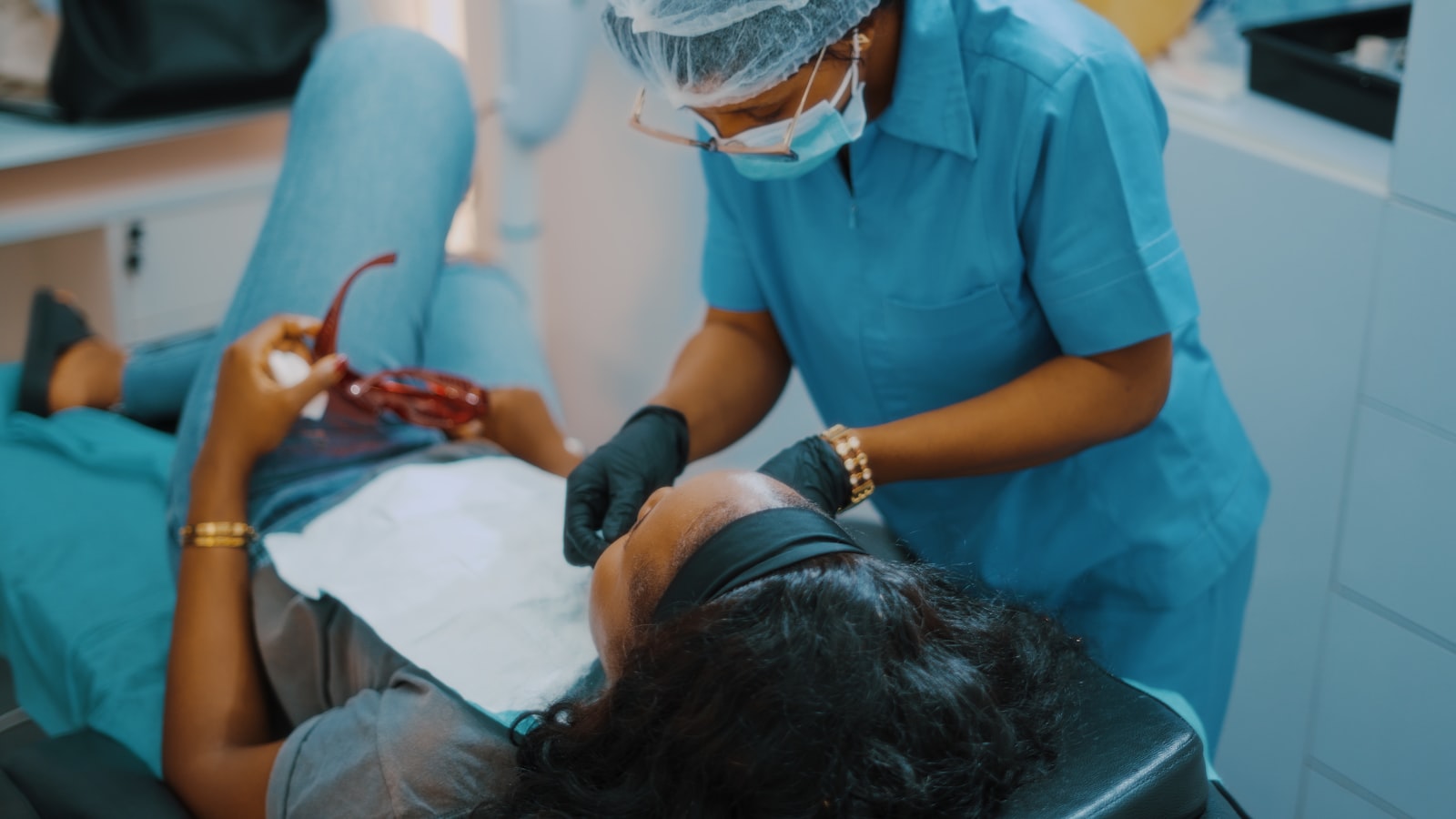
This is the part adults most need to understand. Teeth are moved through the bone that the gums and ligaments support, so any active gum disease must be controlled before treatment starts. Moving teeth through inflamed, unstable gums can worsen bone loss. The reassuring side is that orthodontics in well-controlled mouths is safe and can even make cleaning easier once teeth are aligned. If your gums bleed when you brush, that is worth addressing first, as our guide to bleeding gums explains. A thorough check-up at the start sets treatment up to succeed.
Common reasons adults straighten teeth
Adults seek treatment for a mix of reasons. Some want to improve the appearance of crowded or crooked teeth. Others are guided by function: crowded teeth are harder to clean and can trap plaque, a bite problem may be wearing teeth unevenly, or teeth have drifted over the years. Sometimes alignment is part of a wider plan before other dental work. Teeth can keep drifting through adulthood for reasons unrelated to wisdom teeth, a point our guide to whether wisdom teeth cause crowding unpacks.
What to expect from the process
Treatment begins with an assessment of your teeth, gums, and bite, often with scans or X-rays, followed by a tailored plan. You will have regular reviews to adjust braces or progress through aligner sets. Afterwards, retainers are essential, because teeth naturally tend to drift back without them. Keeping teeth meticulously clean during treatment protects against decay and white marks around brackets. None of this requires being a certain age, only a commitment to the routine and the follow-up.
Frequently asked questions
Is there an age when braces stop working?
No. As long as your teeth and gums are healthy, orthodontic treatment can work at any age. Bone may remodel a little more slowly in adults, but results are still very achievable.
Are clear aligners as good as braces for adults?
Aligners suit many mild to moderate cases and are discreet and removable. Braces handle complex movements well. The best choice depends on your specific case, which an assessment will clarify.
How long will treatment take?
Most adult cases take between 12 and 24 months. Simpler alignment can be quicker, while complex bite corrections take longer.
Will I have to wear a retainer forever?
You will need retainers long term, often nightly, because teeth naturally tend to drift back. This is true at any age and is the key to keeping your result.
Can I have braces if I have had gum disease?
Often yes, provided the gum disease is treated and stable first. Active disease must be controlled before teeth are moved, so a gum assessment comes first.
The takeaway
You are very unlikely to be too old for braces or aligners. Healthy teeth and gums matter far more than age, and adults have discreet options from clear aligners to hidden lingual braces. The first step is a check-up to confirm your gums are stable and to map out the right plan. If you are considering straightening your teeth, the team at Lumi Dental can talk through your options. Book a complimentary assessment via our Melrose Park dental page or see our current deals page.

