



Lingual braces are fixed braces that are bonded to the inside, or tongue side, of your teeth instead of the front. That single difference is the whole appeal: from the outside they are essentially invisible, which is why they appeal to adults who want fixed-brace results without metal on show. Research suggests they are about as effective as regular front-mounted braces and take a broadly similar amount of time, with the main trade-offs being comfort, speech, cleaning, and cost.
This guide explains how lingual braces work, how they compare to regular braces and clear aligners, who they suit, and the honest downsides.
Key takeaways
- Lingual braces sit on the inside of the teeth, so they stay hidden during treatment.
- Studies suggest they are about as effective as labial (front) braces and take a comparable time, usually 18 months to 3 years.
- The main early downside is tongue discomfort and a temporary lisp, which often eases within a few days to a couple of weeks.
- They are harder to clean and usually cost more than standard braces or many clear-aligner cases.
- They can be excellent for some bites but are more challenging for very deep overbites.
How lingual braces work
Like regular braces, lingual braces use brackets and a wire to move teeth gradually into position. The difference is placement. The brackets are bonded to the back surfaces of the teeth, and the system is often custom-made, with brackets designed for the exact shape of each tooth and wires bent to a planned final result. Because everything sits behind the teeth, the hardware is not visible when you talk or smile.
Treatment usually runs from about 18 months to 3 years, similar to front braces, with adjustment visits every few weeks. If you are still deciding between approaches, our guides to clear aligners versus Invisalign and how to straighten crooked teeth are good background.
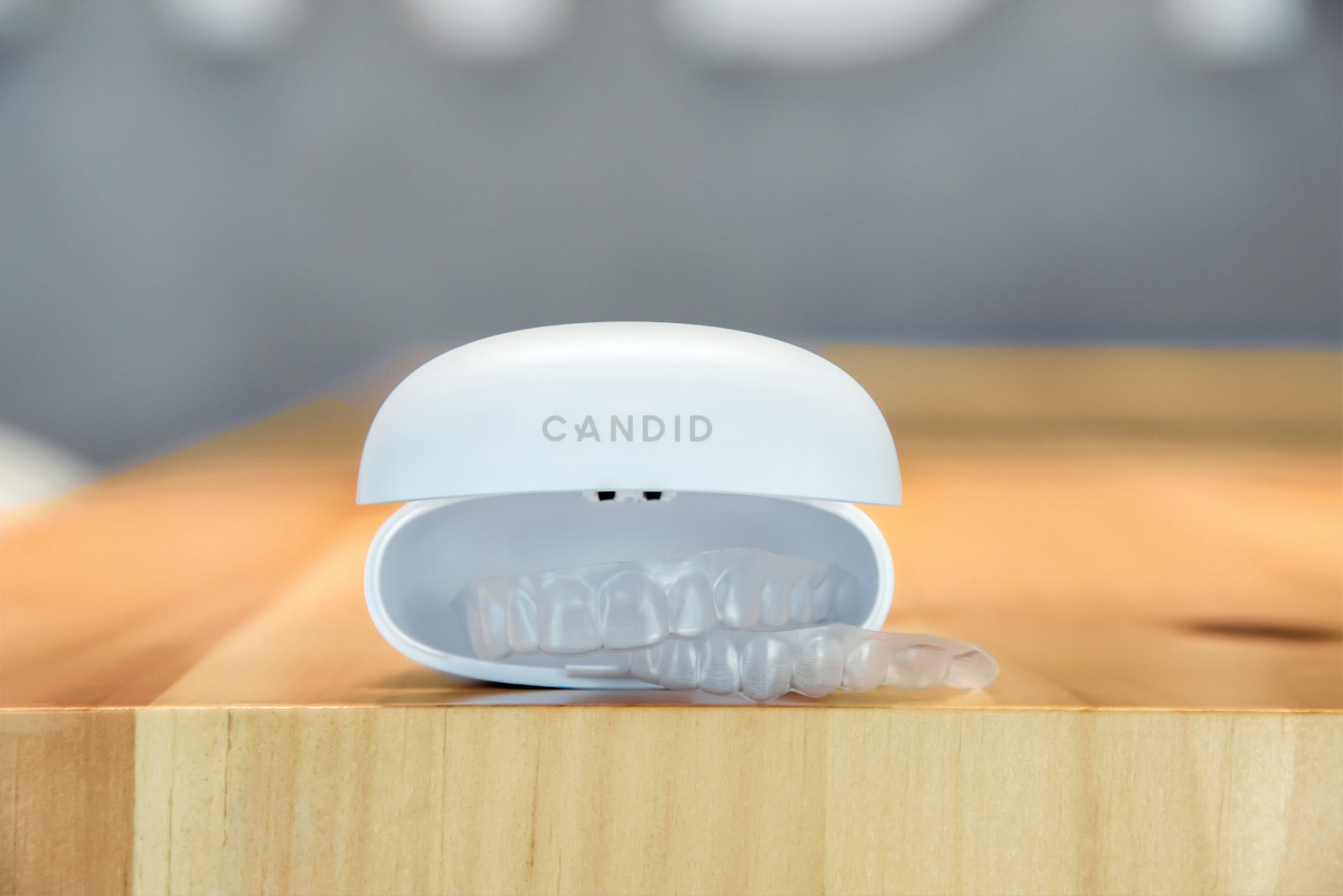
Lingual braces versus the alternatives
| Feature | Lingual braces | Regular (labial) braces | Clear aligners |
|---|---|---|---|
| Visibility | Hidden behind teeth | Visible on front | Nearly invisible, removable |
| Effectiveness | Comparable for most cases | Comparable | Good for many cases, limits on complex ones |
| Removable | No | No | Yes |
| Early discomfort | Tongue, plus temporary lisp | Lips and cheeks | Mild, with each new tray |
| Cleaning | Harder | Moderate | Easiest (taken out) |
| Relative cost | Usually highest | Lowest of the three | Mid to high |
Who lingual braces suit
Lingual braces are often a strong fit for adults who:
- Want fixed braces but cannot have visible hardware for work or personal reasons
- Are not ideal candidates for clear aligners, or prefer not to rely on wearing removable trays
- Have certain bite issues, including some crossbites, where fixed control helps
Because they are fixed in place, they remove the discipline problem of aligners: there is nothing to forget to wear. After any braces, a retainer is essential to hold the result, as we explain in retainer types and how long to wear them.
The honest downsides
Lingual braces ask more of the patient in the early weeks. The tongue rests against the brackets, so there is usually a period of soreness and a lisp while you adjust. Most people find their speech settles within a few days to a couple of weeks, and orthodontic wax helps with rough spots. Cleaning is also more demanding, because the brackets sit where you cannot easily see them, so a water flosser and interdental brushes are worth having. Finally, the custom hardware and added chair time usually make lingual braces the most expensive of the common options. Very deep overbites can also be more difficult to treat this way, and your orthodontist will advise whether your bite is suited.
General cost in Australia
Lingual braces are usually the most expensive fixed option because the brackets are often custom-made and the technique is more demanding. The figures below are general market ranges, not a quote.
| Option | Typical Australian range | Notes |
|---|---|---|
| Lingual braces (full treatment) | $9,000 to $15,000+ | Custom systems sit at the higher end |
| Regular metal braces | $6,000 to $9,000 | Most economical fixed option |
| Clear aligners | $6,000 to $9,000 | Varies with case complexity |
The team at Lumi Dental does not list its own prices here. For current options and a written quote, see our current offers or our general dentistry page.
Frequently asked questions
Do lingual braces hurt more than regular braces?
The discomfort is in a different place rather than necessarily worse. With lingual braces the tongue is the main sore spot in the first week or two, while regular braces tend to irritate the lips and cheeks. Both ease as you adjust, and wax helps.
Will lingual braces affect my speech?
Many people develop a temporary lisp because the tongue contacts the brackets. It usually improves within a few days to a couple of weeks as the tongue adapts. Reading aloud at home can speed up the adjustment.
Are lingual braces as effective as normal braces?
For most cases, yes. A randomised trial found lingual and front braces were similarly effective at aligning teeth. Some bites, especially very deep overbites, can be more challenging, so an assessment is important.
Are lingual braces better than Invisalign?
Neither is universally better. Lingual braces are fixed and hidden with nothing to remember to wear, while clear aligners are removable and easier to clean. The best choice depends on your bite, your habits, and your priorities.
The bottom line
Lingual braces give the results of fixed braces while staying hidden behind your teeth, which is a real advantage for many adults. The trade-offs are early tongue discomfort, a temporary lisp, more demanding cleaning, and a higher cost. If discreet, fixed treatment appeals to you, the team at Lumi Dental in Melrose Park can assess whether your bite suits lingual braces or whether another option would serve you better. See our current offers to book a consultation.

