


Most of the time, a wire digging into your cheek can wait for a repair appointment in the next day or two. What it needs right now is a barrier between the metal and the soft tissue, and a small ball of orthodontic wax usually does that in under a minute. The few situations that cannot wait are covered further down.
Wax first, then a gentle nudge
Orthodontic wax is soft, clear or white dental wax sold in small cases at pharmacies, and most people are given some when their braces go on. Pinch off a piece about the size of a small pea and roll it between clean fingers until it softens. Dry the wire and bracket with a tissue or cotton bud, because wax will not stick to wet metal, then press the ball firmly over the sharp point and smooth the edges. Replace it after meals and before bed.
If the end of a thin wire has sprung out of place, it can sometimes be tucked back. Use a clean cotton bud or the rubber end of a new pencil to push it gently flat against the tooth, then cover it with wax if it still rubs.

Why snipping or pulling makes things worse
It is tempting to grab the nail clippers. A freshly cut wire end is often sharper than before, the loose piece can be swallowed or breathed in, and cutting the wrong wire can disrupt your treatment. Only cut a wire if your treating dentist or orthodontist has told you to over the phone, and then use clean, sharp clippers, wrap a folded tissue around the area to catch the piece, and keep the offcut.
Do not pull off a loose bracket, since it is still attached to the wire and to other teeth, and do not bend the main wire with pliers or fingers. Both can change the forces on the teeth.
A bracket that has come unglued
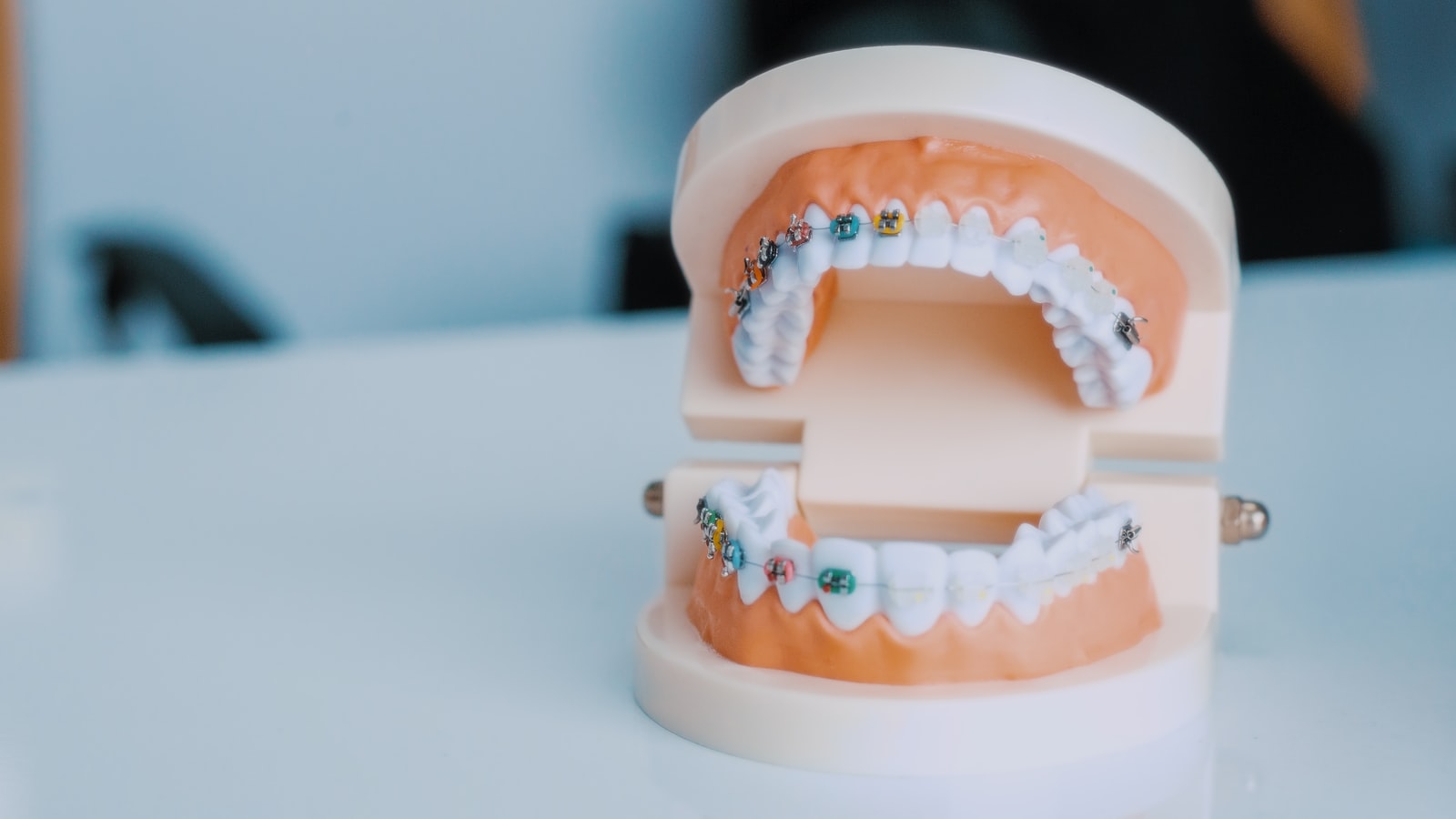
Hard, chewy or sticky food is a common reason a bracket lets go. It normally stays threaded on the wire and may spin or slide. Cover it with wax so it stops moving and rubbing. That tooth is no longer being guided while the bracket is off, so treatment may slow slightly, but a loose bracket is rarely painful and can usually wait for a scheduled repair. If the bracket anchors an elastic, ask your provider whether to keep wearing the elastics in the meantime; our article on orthodontic elastics explains how they work with the brackets.
The sore spot it leaves behind
A day or two of rubbing can leave an ulcer on the cheek or lip. Once the sharp point is covered, warm salt water rinses several times a day help keep it clean, and a pharmacy mouth ulcer gel can numb it before meals. Most of these sores heal within a week or two once the friction stops. One that has not healed within three weeks should be checked, as our article on mouth ulcers and cold sores explains.
When it cannot wait
Call your orthodontic provider the same day, or seek urgent care, if:
- a piece of wire or a bracket may have been breathed in, or there is coughing, wheezing or trouble breathing; go to an emergency department or call 000
- a piece has been swallowed and there is pain, vomiting or difficulty swallowing
- a wire has cut deeply or is stuck in the cheek or gum
- the appliance is badly loose and a young child could choke on it
- a tooth was knocked, chipped or pushed out of place in the same accident, which our dental emergency guide covers
- there is swelling of the face or a fever
Fewer breakages from here
Many broken brackets and bent wires come from food. Nuts, hard lollies, ice, crusty bread and popcorn kernels are common culprits, as are sticky toffees and chewy lollies. Cutting apples, carrots and corn off the cob into small pieces helps. A mouthguard for contact sport helps protect both the braces and the lips. Keep a case of wax in your bag as well as at home. Once treatment finishes, wearing your retainer is what helps the result last, as our article on teeth shifting after braces explains, and our guide to life with braces covers the everyday side.
If you cannot reach your treating provider and a wire is causing pain, our dentists at Lumi Dental can check the area and help make you comfortable until your next orthodontic visit. You can contact our team or see our offers page. We do not list fees here.








