

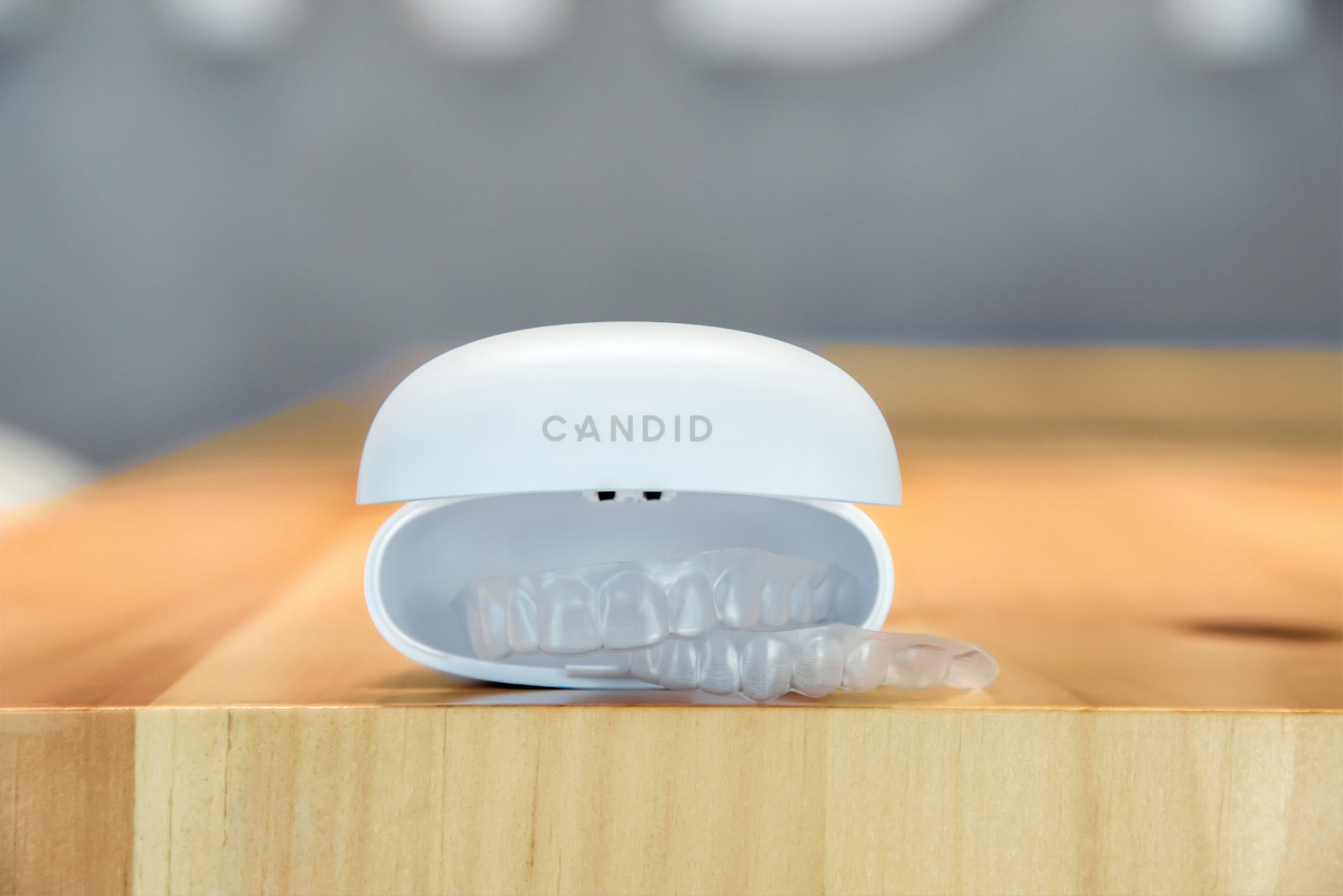

You finish your braces or aligners, the teeth look beautifully straight, and a few years later the lower front teeth have started to crowd again. This is orthodontic relapse, the tendency for teeth to drift back toward their old positions, and it is one of the most common reasons people feel their treatment did not last. The honest figure is striking: studies suggest only around 10 percent of treated cases still have clinically acceptable lower front tooth alignment ten to twenty years later if no retainer is worn. The single most important message is therefore simple: retainers are not an optional extra, they are part of the treatment.
Key takeaways
- Relapse is the natural tendency for teeth to drift back toward their original positions after orthodontic treatment.
- The lower front teeth are the most prone to relapse and re-crowding.
- Without retainers, only about 1 in 10 cases keep acceptable lower alignment over ten to twenty years.
- Fixed retainers tend to hold results more reliably than removable ones, and longer retention improves stability.
- Teeth also drift naturally with age, so retention is a long-term commitment, not a short phase.
What relapse is and where it shows
During treatment, teeth are moved into new positions, but the gums, the fibres around the roots and the bone take time to settle, and they retain a kind of memory of where the teeth used to be. Immediately after braces come off, this is when teeth are most likely to move back. The lower front teeth are the classic site, where crowding tends to return. Part of the reason is that the width across the lower canines often increases during treatment, and after treatment it tends to narrow again, which squeezes the front teeth.
Why teeth drift back
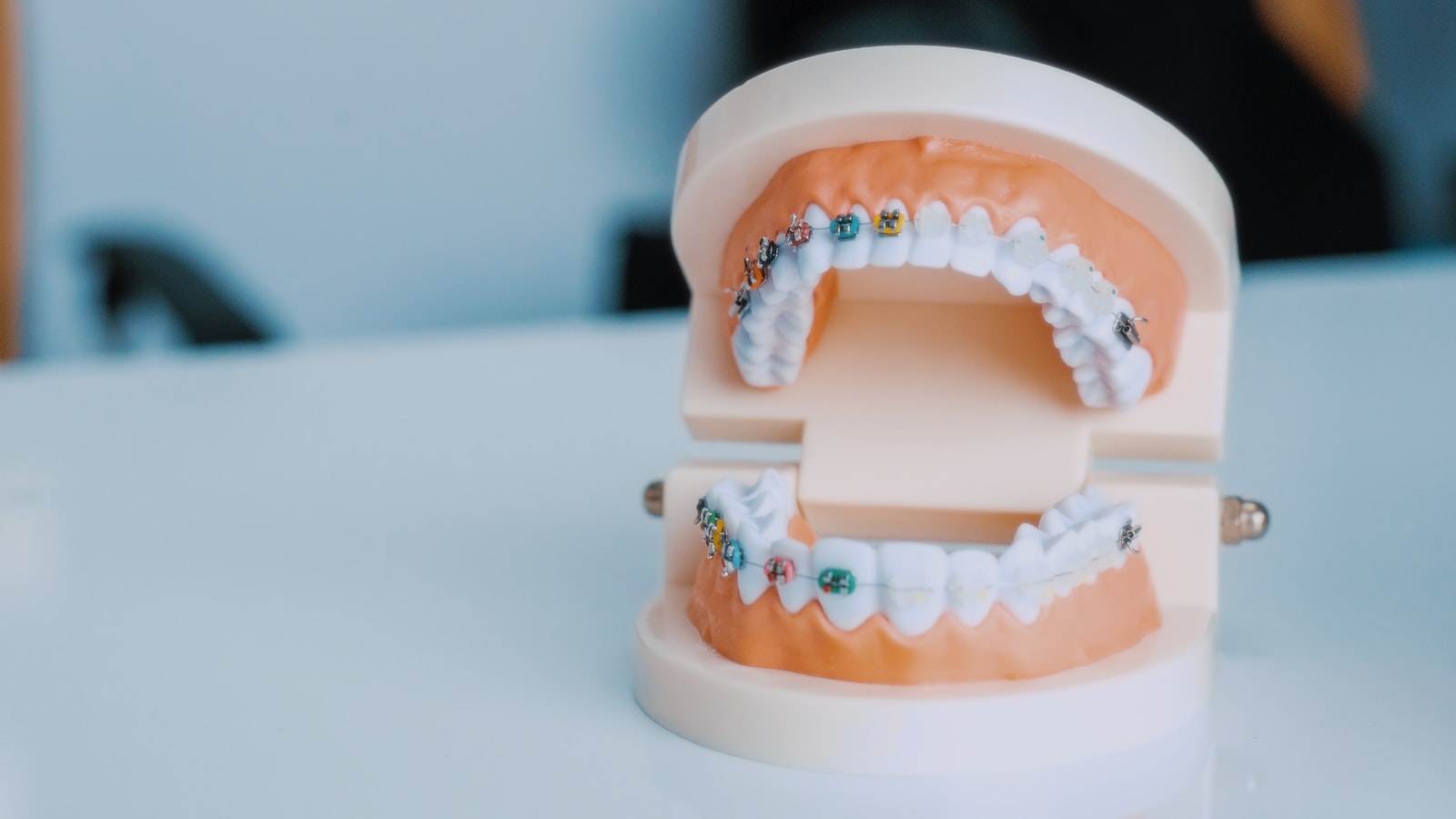
There are a few overlapping reasons. First, the soft tissues and bone need months to reorganise around the new positions, and until they do the teeth can move. Second, teeth keep drifting slowly throughout life, regardless of whether you had braces, as part of normal ageing, so some forward and inward movement of the lower front teeth is natural with time. Third, habits and growth patterns that contributed to the original problem can persist. None of this means treatment failed; it means teeth are living structures that keep responding to the forces around them. A common myth blames wisdom teeth for this crowding, but the evidence does not support that, as we explain in our guide to whether wisdom teeth cause crowding.
Retainers: fixed versus removable
Retention is how relapse is prevented, and there are two main approaches, often used together.
| Type | How it works | Points to note |
|---|---|---|
| Fixed (bonded) retainer | A thin wire bonded behind the front teeth, in place all the time | Reliable for holding the lower front teeth; needs careful cleaning and occasional checks |
| Removable retainer | A clear or plate retainer worn on a schedule, often nightly long-term | Easy to clean; only works if actually worn; replace if it wears or distorts |
Evidence suggests fixed retainers tend to be more effective at maintaining alignment than removable ones, and that wearing retainers for longer improves stability. Many orthodontists use a combination, and the more crowded or rotated the teeth were to begin with, the more important diligent retention becomes.

How to keep your results
The practical advice is straightforward: wear your retainer exactly as your orthodontist recommends, which for many people now means indefinitely, often just at night. Look after it, keep it clean, and replace a removable retainer if it cracks, warps or stops fitting. Keep an eye on a fixed retainer and have it checked if a section feels loose. If you are considering treatment, factor lifelong retention into the plan from the start; our guide to straightening crooked teeth sets out the options, and adults thinking about treatment can read whether they are ever too old for braces.
What if your teeth have already shifted
If relapse has already happened, the options depend on how much movement there has been. Minor crowding can sometimes be improved with a short course of clear aligners, occasionally combined with light reshaping between the teeth, which our guide to aligner attachments and reshaping explains. More significant relapse may need a fuller re-treatment. Either way, the plan will include proper retention afterward, because without it the same drift would simply happen again.
Frequently asked questions
How long do I need to wear a retainer?
For most people, long-term, often nightly and frequently for life. Teeth keep drifting with age, so retention is an ongoing commitment rather than a short phase. Your orthodontist will give you a schedule.
Why are my bottom teeth crowding again?
The lower front teeth are the most prone to relapse, partly because the width across the lower canines tends to narrow after treatment, and partly because teeth drift naturally with age. A retainer prevents this.
Do wisdom teeth push my teeth crooked?
The evidence does not support wisdom teeth as the cause of front-tooth crowding. The crowding is better explained by natural drift and the tissues settling. Our separate guide covers this in detail.
Is a fixed or removable retainer better?
Both work, and many people use both. Fixed retainers tend to hold the lower front teeth very reliably, while removable retainers are easy to clean but only work if worn. Your orthodontist will advise the best mix for you.
Can relapsed teeth be straightened again?
Yes. Minor relapse can often be corrected with a short aligner course, while larger movement may need fuller re-treatment. Proper retention afterward is essential to keep the result.
Relapse is normal biology, not a failure, and it is entirely manageable with good retention. If your teeth have shifted or you want to protect a result you are proud of, the team at Lumi Dental in Melrose Park is happy to help. See current offers on our pricing page or book a consult.

