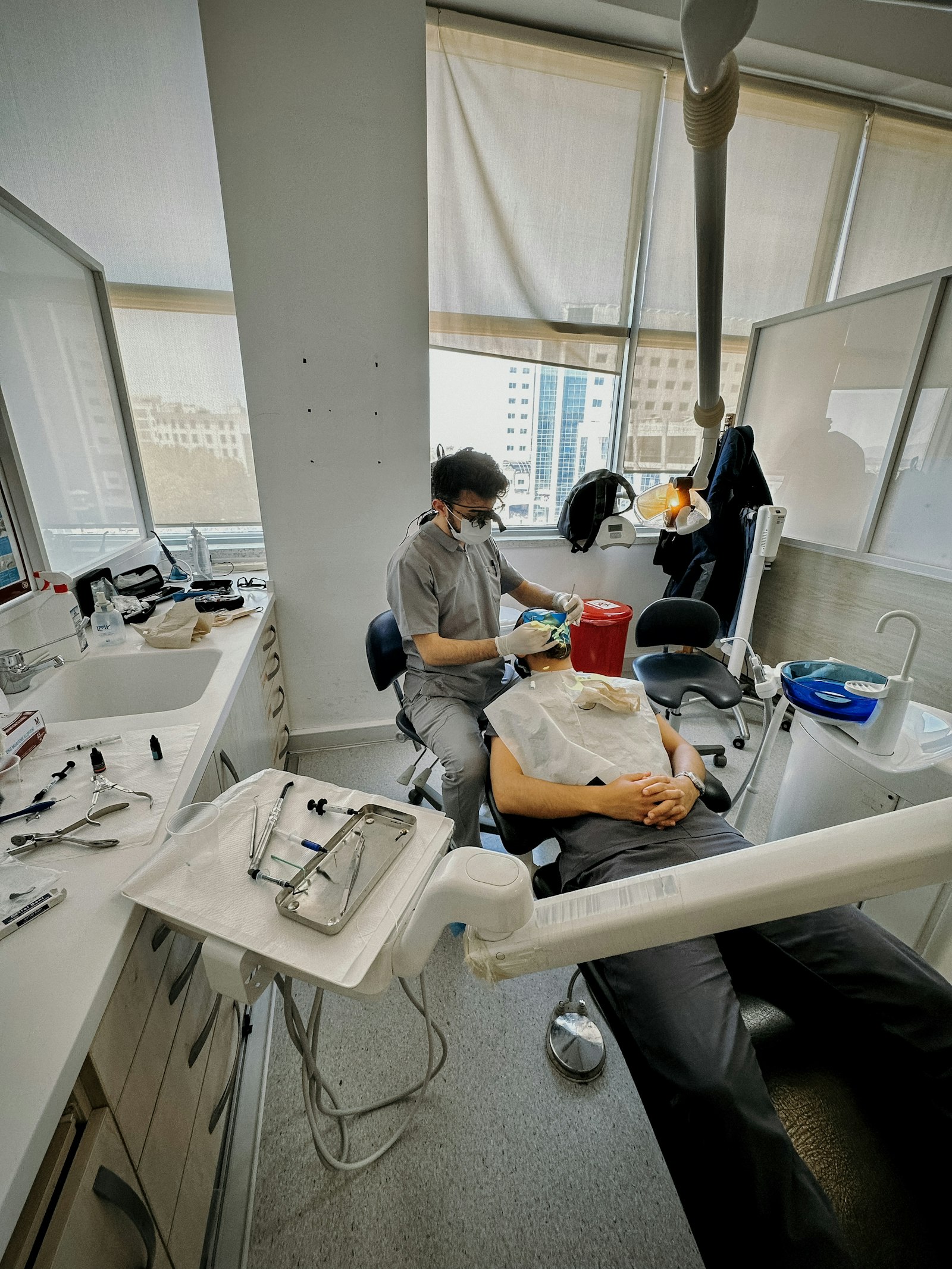

In people with diabetes and gum disease, treating the gums has been shown to lower average blood sugar a little. A 2022 Cochrane review (Simpson and colleagues) pooled the trials and found HbA1c fell by about 0.4 percentage points three to four months after gum treatment, compared with no treatment or usual care. That is not a substitute for diabetes medicine, but it shows how closely the mouth and blood sugar are tied together.
The connection runs in both directions, and each side can be used to help the other.
The risk runs both ways
A 2021 meta-analysis of cohort studies in Scientific Reports (Stöhr and colleagues) found that people with diabetes had about a 24% higher risk of developing periodontitis, and people with periodontitis had about a 26% higher risk of developing diabetes. The link is strong enough that a 1993 paper in Diabetes Care by Harald Löe described gum disease as the sixth complication of diabetes, a phrase still used today.
What high blood sugar does to the gums
Plaque along the gumline triggers inflammation in everyone. When blood sugar runs high for long periods, that inflammatory response tends to be stronger and healing tends to be slower, so the gum and bone around the teeth can break down more easily. Gum disease in someone whose diabetes is poorly controlled may start earlier, progress faster and respond less well to treatment.
Diabetes is also one of the conditions linked to a dry mouth. With less saliva to rinse the teeth and buffer acid, decay and gum irritation become more likely, and thrush can be more common.
How inflamed gums can push blood sugar up
Advanced gum disease is a long-running infection and inflammation around many teeth at once. That ongoing inflammation is thought to make the body less responsive to insulin, which makes blood sugar harder to keep in range. Treatment usually involves a thorough deep clean below the gumline, and the Cochrane review above suggests it can bring a modest improvement in HbA1c. Better gum health is therefore part of looking after diabetes, alongside the care your GP or endocrinologist provides.

Signs that should prompt a dental visit
Gum disease is often painless, so look out for:
- gums that look red or puffy, or feel tender
- bleeding when you brush or floss
- gums shrinking back from the teeth, or teeth that feel loose or have moved
- bad breath or a bad taste that does not go away
- a persistently dry mouth or white patches
If your gums still bleed after 3 to 4 days of careful brushing and flossing, see a dentist or OHT, and tell them you have diabetes. Our guides to bleeding gums and the stages of gingivitis and periodontitis explain what those signs can mean.
Looking after both at once
The steps are simple, and each one supports the other condition as well:
- Blood sugar. Keeping it in your target range helps the gums resist infection and heal after treatment.
- Daily cleaning. Brush twice a day with fluoride toothpaste and clean between the teeth once a day. Our refreshers on brushing properly and flossing show the technique.
- Professional cleans. Hardened tartar cannot be brushed off. Some people with diabetes need cleans more often than usual; your dentist or OHT will set a schedule based on your gums.
- Smoking. Smoking is a major risk factor for gum disease on its own, and stopping helps the gums whatever your blood sugar.
- Your health history. Let the dental team know about your diabetes, your medicines and your latest HbA1c if you have it, as it affects how gums are monitored and how treatment is planned.
If gum treatment is recommended, our gum disease treatment guide covers what is involved and typical costs.
When the gums raise the question
Type 2 diabetes can go undiagnosed for some time. Severe or stubborn gum disease without an obvious cause is one reason a dentist may suggest checking in with a GP. It is not a diagnosis, simply a prompt to have your general health reviewed.
Common questions
Will treating my gums lower my blood sugar?
It may help a little. Trials pooled in the 2022 Cochrane review showed a modest fall in HbA1c after gum treatment. Keep taking your diabetes medicines as prescribed; gum care works alongside them.
Is the risk the same for type 1 and type 2 diabetes?
Both are linked with higher gum disease risk. How well blood sugar is controlled appears to matter more than the type.
How often should I have my gums checked?
It depends on your gum health and how your diabetes is going. Some people with diabetes benefit from more frequent visits; your dentist or OHT will recommend an interval.
Book a gum check
If you have diabetes and it has been a while since your last check-up, our dentists and oral health therapists can assess your gums and set up a cleaning schedule that suits you. Read about check-ups and cleans at Lumi Dental in Melrose Park, or see our current offers.
Sources
- Simpson TC and colleagues. Treatment of periodontitis for glycaemic control in people with diabetes mellitus. Cochrane Database of Systematic Reviews, 2022
- Stöhr J and colleagues. Bidirectional association between periodontal disease and diabetes mellitus. Scientific Reports, 2021
- Löe H. Periodontal disease: the sixth complication of diabetes mellitus. Diabetes Care, 1993