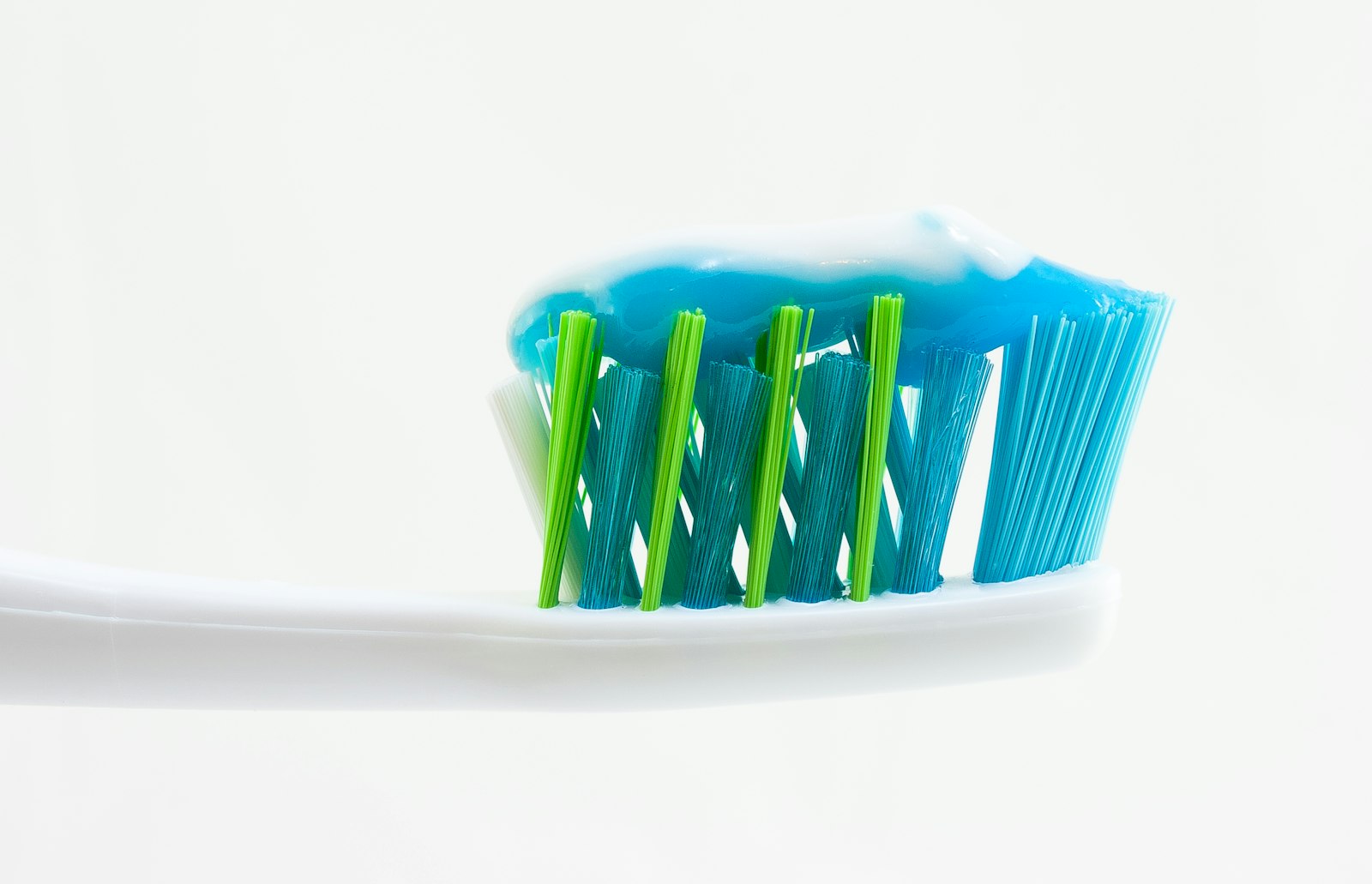

Painting fluoride varnish onto a child's teeth takes only a few minutes, and it is one of the better-studied steps in preventing childhood decay. A Cochrane review by Marinho and colleagues (2013) found that children who had varnish applied two to four times a year had, on average, around 37 percent fewer decayed, missing or filled surfaces in baby teeth and about 43 percent fewer in permanent teeth than children who did not. Those are averages from trials, not a promise for any one child, but they explain why dentists and oral health therapists offer it so often.

A concentrated dose that stays on the enamel
Enamel loses minerals each time plaque bacteria turn sugar into acid, and it takes them back between meals with help from saliva and fluoride. Varnish is a resin-based coating with a high concentration of fluoride. Because it clings to the tooth for several hours, it gives the enamel a long, close exposure, and some fluoride is held in and around the enamel afterwards.
This helps the surface rebuild more resistant to acid. It can also slow or stop decay at the earliest stage, when there is only a chalky white spot and no hole yet. Once a true cavity has formed, varnish alone will not fill it, which is why regular check-ups matter as well. The same idea of putting minerals back into enamel is behind products such as tooth mousse.
What your child will notice in the chair
The dentist or OHT dries the teeth with a puff of air or some gauze, then brushes on the varnish with a small applicator, working into the grooves and along the gumline. It sets as soon as saliva touches it. There is no drilling, no needle and nothing to rinse away. Most children say it feels a bit sticky and tastes mildly of fruit or mint.
For the rest of the day the teeth may look slightly yellow or dull and feel coated. That is the varnish doing its work. Many children are asked to stick to soft food and avoid hot drinks for a few hours, and to skip brushing until the next morning or that night, depending on the product. Your clinician will tell you the exact timing.
How often depends on your child's risk
There is no single schedule. A child with no decay, good brushing and few sweet snacks may have varnish twice a year at check-ups. A child with white spots, past fillings, a lot of grazing on snacks, braces or a medical condition that affects saliva may be offered it every three months. The trials that showed the clearest benefit used two to four applications a year, and the frequency is usually reviewed at each visit.
Safety and allergies
Only a small amount is used, and it is set on the teeth rather than swallowed in one go, so the fluoride exposure from a properly applied varnish is low. It is considered safe for young children when applied by a dental professional. Some varnishes contain colophony, a pine resin, so tell the clinician if your child has a known allergy to it or has had a reaction to sticking plasters. A colophony-free product can be used instead. For a wider look at the evidence on fluoride, see our article on whether fluoride is safe for teeth.
Where varnish fits with sealants and brushing
Varnish protects every surface it touches for a short time. Fissure sealants physically block the deep grooves of back teeth for years. They protect in different ways and are often used together in children at higher risk. Our article on dental sealants for children covers when sealants are suggested.
Neither replaces the daily basics: brushing twice a day with fluoride toothpaste, tap water as the main drink, and sweet foods kept to mealtimes. Baby molars need to last until about 10 to 12 years of age, as our guide to when baby teeth fall out explains, so protecting them is worth the effort.
What parents ask about varnish
Is it worth it if our tap water has fluoride?
For many children, yes. Fluoridated water and toothpaste give a low, steady level of fluoride. Varnish delivers a much higher concentration directly to the teeth a few times a year. The Cochrane review found no clear link between the benefit of varnish and children's other fluoride exposure, although only a few of its trials took place in fluoridated areas.
Can a toddler have it?
Yes. Varnish can be applied from the time the first teeth appear, and it is often used in young children at higher risk of early childhood decay.
Will it stain the teeth?
The slight yellow tint wears off with the first proper brush. It does not leave a lasting stain.
Booking varnish for your child
Varnish is usually applied at the end of a check-up and clean by one of our dentists or oral health therapists. Eligible children may be bulk billed under the Child Dental Benefits Schedule. To arrange a visit, see current deals for new patients.
This article is general information and not a substitute for personal dental advice.