


Fluoride varnish and dental sealants are the two main professional ways to protect children's teeth from decay, and they work differently rather than competing. A sealant is a thin coating painted into the grooves of the back teeth to physically block food and bacteria, while fluoride varnish is a coating applied to all tooth surfaces to strengthen enamel. Research has not clearly shown one to be better than the other, and dentists often use both, because they protect different parts of the tooth.
Key takeaways
- Sealants block the deep grooves of back teeth, where most childhood decay starts.
- Fluoride varnish strengthens enamel across all tooth surfaces, including the smooth sides.
- Evidence has not clearly favoured one over the other, and using both is often more protective than either alone.
- The right choice depends on a child's decay risk, age, and which teeth need protecting.
The one idea that clears up the confusion: they protect different surfaces
The simplest way to understand this is that sealants and varnish guard different parts of the tooth. The chewing surfaces of back teeth have deep grooves that a toothbrush cannot fully clean, and sealants fill and smooth those grooves. The smooth sides and the gaps between teeth are better helped by fluoride, which hardens enamel and helps reverse very early decay. Because the threats are in different places, the two treatments complement each other rather than replacing one another.
What dental sealants do
A sealant is a tooth-coloured or clear resin painted into the grooves of the molars and set with a light. It creates a smooth barrier so food and bacteria cannot lodge where the brush cannot reach. Sealants are quick, painless, and need no drilling. They are most valuable on newly erupted adult molars, and they can last for years, though they are checked at routine visits and topped up if they chip. Our dedicated guide to dental sealants for children covers the procedure in detail.
What fluoride varnish does
Fluoride varnish is a concentrated coating brushed onto the teeth that hardens enamel and helps remineralise early, pre-cavity weak spots. It is painted on in a couple of minutes, sets on contact with saliva, and is applied to all the teeth, not just the back ones. It is usually repeated a few times a year for children at higher risk of decay. Because it is so quick and well tolerated, it is ideal for young or anxious children. If you have wondered whether fluoride is safe, our explainer on fluoride safety walks through the evidence.
| Feature | Dental sealant | Fluoride varnish |
|---|---|---|
| Protects | Grooves of back teeth | All tooth surfaces |
| How it works | Physical barrier | Strengthens enamel |
| How often | Once, then checked and topped up | Repeated a few times a year |
| Best for | Deep-grooved molars | Higher decay risk, smooth surfaces, early spots |
| Time to apply | A few minutes per tooth | A couple of minutes for all teeth |
What does the evidence say?
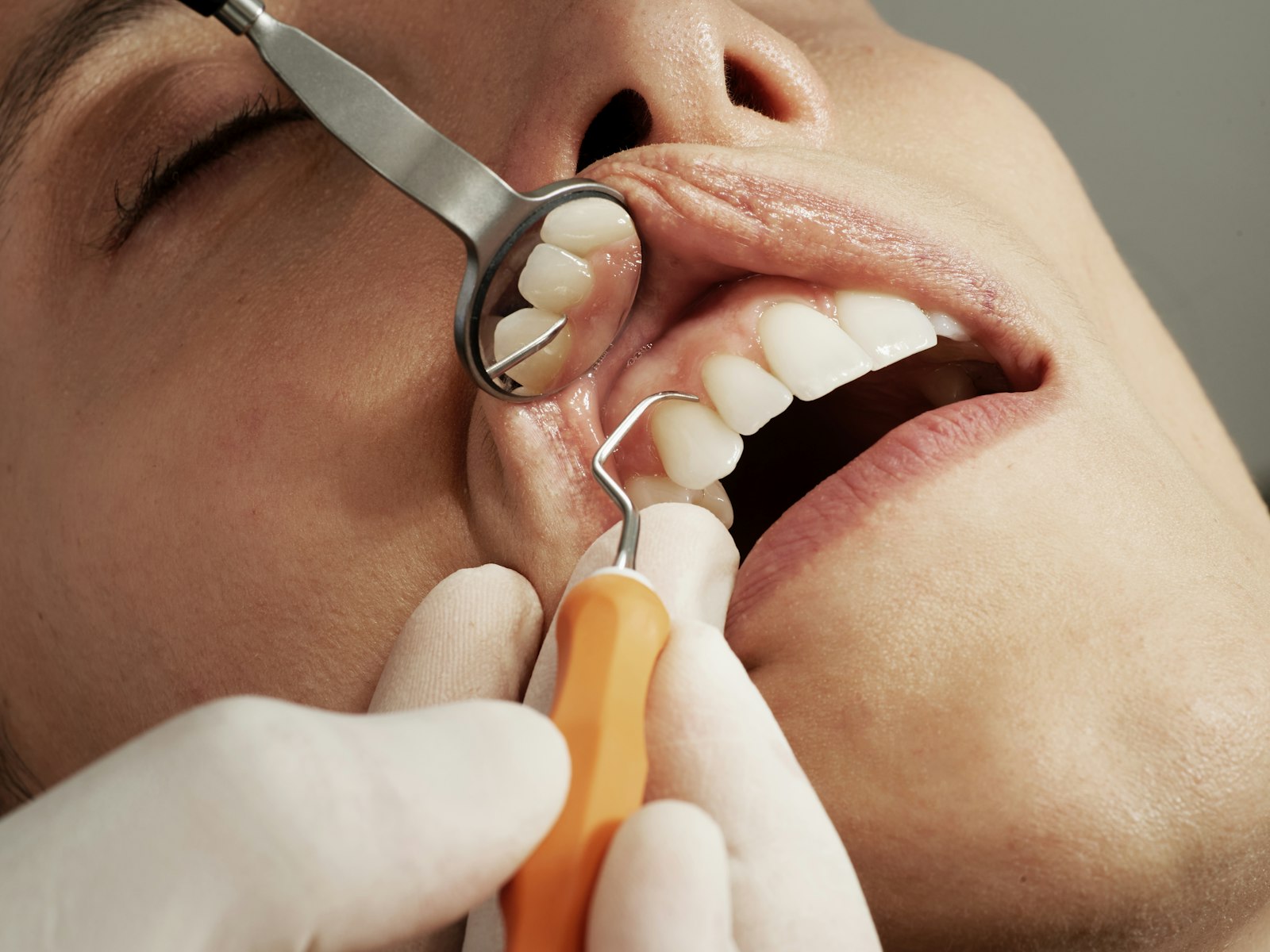
Reviews comparing sealants and fluoride varnish in children have generally found no clear winner at one, two, and three years, meaning both reduce decay effectively. Where studies do point somewhere, it is that combining them tends to protect better than either alone, especially for children at high risk of decay. So the practical answer is not varnish versus sealant, but the right mix for a given child. A child with deep molar grooves and good smooth surfaces may benefit most from sealants, while a child with widespread early decay risk benefits from regular varnish across all teeth, and many children get both.
How to choose for your child
The decision rests on a child's individual decay risk, which a dentist assesses from their diet, brushing, history of cavities, and the shape of their teeth. Newly erupted molars with deep grooves are prime candidates for sealants. A child with several early white-spot lesions or a high-sugar diet may need regular varnish. Prevention also continues at home with good brushing and, where advised, products such as tooth mousse for extra remineralisation. None of these replace daily brushing with a fluoride toothpaste.
General cost and what to expect
Both treatments are quick preventive procedures, and many children are eligible for partial public funding for basic dental care. Fees vary with how many teeth are treated and how often. We do not list our own prices here. You can view current options on our deals and pricing page or ask about eligibility at a family dental visit.
Frequently asked questions
Are sealants or fluoride varnish better?
Neither is clearly better in the research. They protect different surfaces, so the best result often comes from using both based on a child's decay risk.
Does my child need both?
Many children benefit from both, particularly those at higher risk of decay. A dentist will advise based on your child's teeth and habits.
Do sealants or varnish hurt?
No. Both are painless and need no drilling or anaesthetic. Sealants are painted into the grooves and set with a light, and varnish is brushed on in minutes.
How long do sealants last?
Sealants can last several years and are checked at routine visits, with any chips topped up. Fluoride varnish wears off and is reapplied a few times a year.
Can adults have these treatments?
Yes. Fluoride varnish and sealants are used in adults too, especially those at higher risk of decay or with deep grooves on their molars.
When to see a dentist
A preventive check is the best time to decide which protection suits your child, ideally before any decay starts. The team at Lumi Dental can assess your child's risk and recommend sealants, varnish, or both. Book through our contact page.
This article is general information and is not a substitute for individual advice. A dentist can recommend the right prevention for your child.

