



If your child's gums look red and puffy, or there is a little pink in the sink when they brush, the most likely cause is gingivitis, which simply means inflammation of the gums. It is very common: Australian data suggests about 22 percent of children aged 5 to 14 have gingivitis. The reassuring part is that it is almost always caused by plaque, and that means it is reversible. With the right brushing habits, the gums can return to health within a couple of weeks. The single idea to hold onto is this: gingivitis is plaque-driven, so removing the plaque is the cure.
Key takeaways
- Gingivitis is gum inflammation, usually caused by a build-up of plaque along the gum line.
- It is common in children and shows as red, swollen or bleeding gums, often noticed during brushing.
- It is reversible. Good brushing and cleaning between the teeth usually settles it within about two weeks.
- Left untreated over the long term, gum inflammation can progress, so it is worth fixing now.
- Children often need help and supervision with brushing until around age 7 to 8 to clean effectively.
What gingivitis looks like
Healthy gums are firm and pale pink and do not bleed with normal brushing. With gingivitis, the gums look red or shiny, may be a little swollen along the edges, and tend to bleed when brushed. Bad breath can come along with it. Importantly, gingivitis is not usually painful, which is why it can be missed; the bleeding is the main warning sign. Bleeding when brushing is never something to brush past, in children or adults, as our guide to bleeding gums explains.

What causes it in children
The root cause is plaque, the soft film of bacteria that forms constantly on teeth. When it is not removed well, especially along the gum line, the bacteria irritate the gums and they become inflamed. Several things make this more likely in children: brushing that misses the gum line, a diet high in sugary snacks and drinks, mouth breathing that dries the front gums, and crowded teeth or braces that create more places for plaque to hide. Hormonal changes around puberty can also make gums more reactive to the same amount of plaque.
Is it serious?
On its own, childhood gingivitis is mild and reversible, and it does not automatically progress. But it is the early, reversible stage of gum disease, and gums that are constantly inflamed are not healthy. Treating it now, and building habits that keep it away, is far easier than dealing with problems later. It also keeps the mouth healthier overall, which lowers the risk of decay and the kind of infection covered in our guide to a dental abscess in children.
How to treat and prevent it
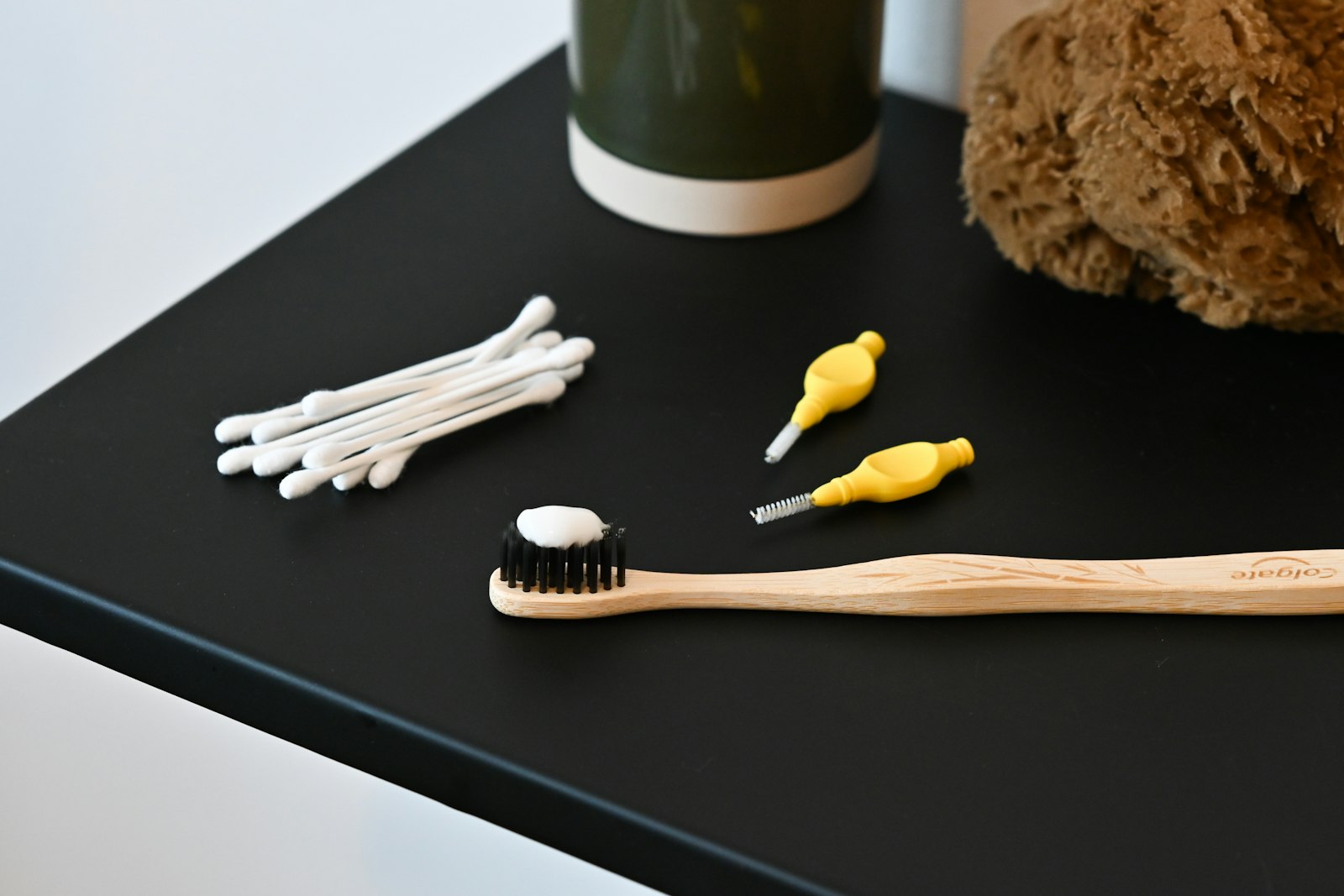
The fix is consistent, effective cleaning. Help your child brush twice a day with a fluoride toothpaste suited to their age, angling the brush at the gum line where plaque collects, and brushing gently for two minutes. Start cleaning between the teeth once any teeth are touching; our guide to when children should start flossing explains the timing. Cut back on sugary snacks and drinks, especially between meals. Because young children do not yet have the coordination to clean thoroughly, supervise and help with brushing until around age 7 to 8. If gums are inflamed, do not avoid the area; gentle, thorough brushing is exactly what settles it, and the bleeding usually eases within a week or two.
Special situations
Children in braces need extra help, because brackets and wires trap plaque; interdental brushes and careful technique matter even more. Mouth breathers may have persistently inflamed front gums, and it is worth mentioning to your dentist or GP. Around puberty, gums can swell and bleed more readily as hormones rise, even with reasonable brushing, and stepping up the cleaning routine usually keeps it in check.
When to see a dentist
Book a visit if the gums bleed regularly, look swollen or keep being sore, if bad breath persists despite good brushing, or if you are simply not sure your child is cleaning well. A dentist or hygienist can remove hardened plaque, check for anything more than gingivitis, and show your child an effective technique. Starting early with the first dental visit sets up good habits. You can see current new-patient and check-up offers on our current deals page or book a general appointment in Melrose Park.
Frequently asked questions
Is it normal for a child's gums to bleed when brushing?
Bleeding is common but not normal. It is the main sign of gingivitis, which means plaque is irritating the gums. Gentle, thorough brushing twice a day usually settles it within a week or two. If it persists, see a dentist.
Can gingivitis in children be cured?
Yes. Because it is caused by plaque, removing that plaque with good brushing and cleaning between the teeth reverses it. Healthy gums usually return within about two weeks of consistent care.
Should my child stop brushing the bleeding area?
No. Avoiding the area lets more plaque build up and makes it worse. Brush the area gently and thoroughly; the bleeding typically reduces over the following days as the gums recover.
Does my child need to floss?
Once teeth are touching, cleaning between them helps reach plaque a brush cannot. Children usually need help with this for a while. Your dentist can recommend the easiest tool for your child.
Could it be something more than gingivitis?
Most childhood gum inflammation is simple gingivitis. Rarely, persistent or severe gum problems need closer assessment. A dental check can confirm what is going on and rule out anything more.
Gingivitis in children is common, reversible and very manageable with everyday habits. If your child's gums bleed or look inflamed, the team at Lumi Dental in Melrose Park can help get them healthy again.

