

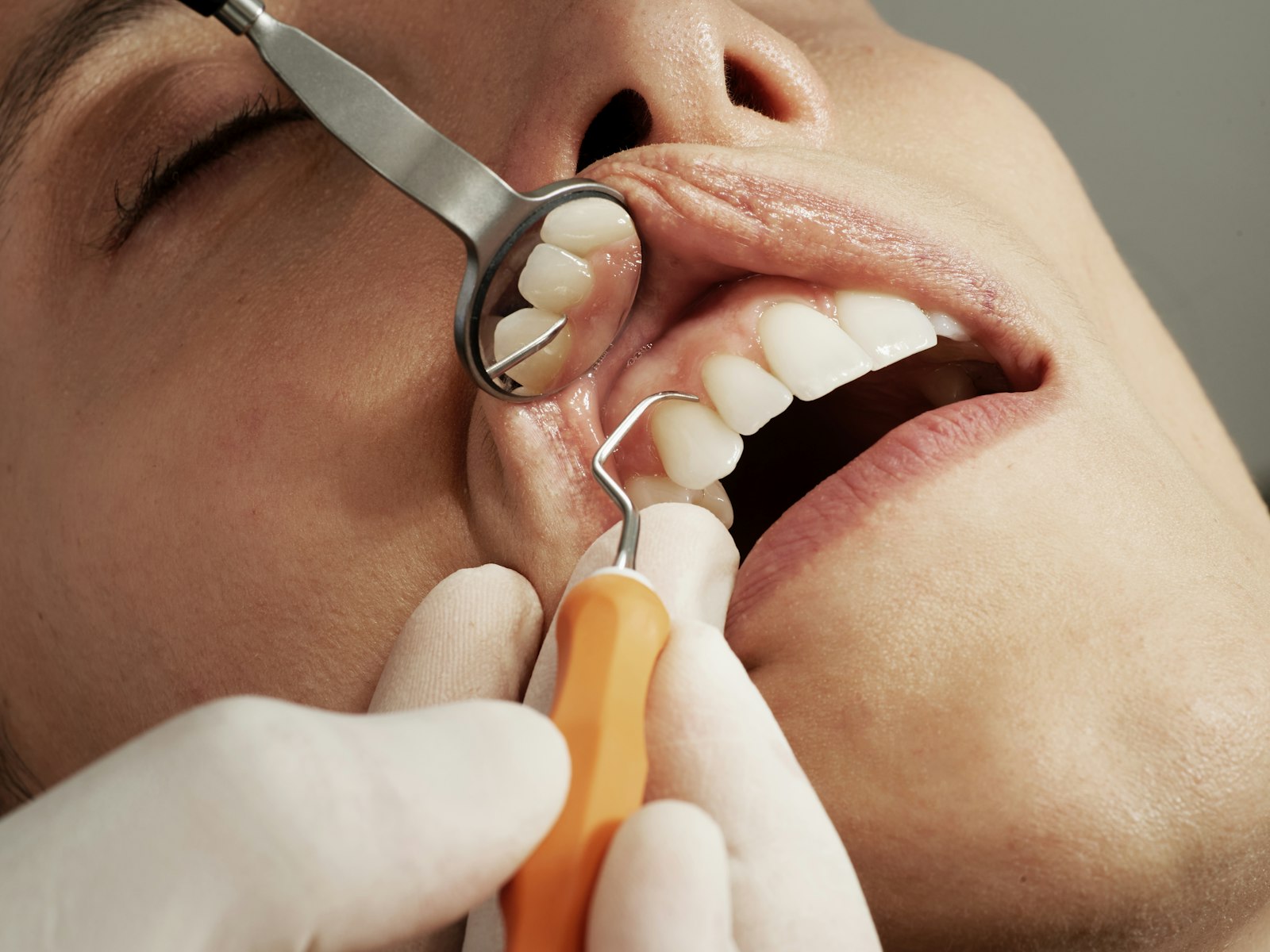

A little oozing after a tooth extraction is completely normal and can continue, on and off, for the first day. Because saliva mixes with a small amount of blood, it often looks like more than it is. The single most effective way to stop bleeding after an extraction is firm, constant pressure on the socket, and the most common reason bleeding carries on is lifting the gauze to check it too soon. This guide explains exactly what to do, what to avoid, and the signs that mean you should call for help.

Key takeaways
- Some oozing for the first 24 hours is normal and usually looks worse than it is.
- Bite firmly on clean gauze for at least 20 to 30 minutes without peeking.
- A moistened black tea bag can work in place of gauze, as the tannins help a clot form.
- Avoid rinsing, spitting, straws, smoking, hot drinks, and exercise for the first day.
- Call your dentist if heavy bleeding soaks fresh gauze every 15 minutes or you feel faint.
The one rule: firm pressure, and leave it alone
A clot needs uninterrupted pressure and time to form. The most common mistake is taking the gauze out every couple of minutes to look, which disturbs the forming clot and restarts the bleeding. Bite down firmly and steadily, keep still, and leave the gauze in place for the full time before checking. Steady pressure does almost all of the work.
Step by step
Step 1: Place clean gauze
Fold clean gauze into a firm pad and place it directly over the socket, not just between the teeth. A slightly damp pad sticks less to the clot.
Step 2: Bite firmly for 20 to 30 minutes
Apply steady pressure by biting down. Sit upright and stay calm. Do not talk much, and do not keep checking.
Step 3: Replace and repeat if needed
If bleeding continues after the first round, replace with fresh gauze and bite for another 20 to 30 minutes. Most bleeding settles within an hour or two of doing this properly.
Step 4: Try a tea bag
If gauze alone is not enough, bite on a moistened black tea bag. The tannins in tea help the blood clot, and many people find it works when plain gauze has not.

What to avoid for the first 24 hours
Several everyday actions can dislodge the clot and restart bleeding. For the first day, avoid rinsing or spitting forcefully, drinking through a straw, smoking, hot drinks and hot food, alcohol, and vigorous exercise. All of these either disturb the clot or raise blood pressure in the head. Keeping your head raised, even propped on an extra pillow at night, also helps. These same habits protect against a painful dry socket, which we explain in our guide to dry socket.
If you take blood thinners
If you take a blood-thinning or anti-clotting medicine, bleeding can take longer to settle, and pressure may need to be held for longer, sometimes up to a couple of hours. Do not stop these medicines on your own. Tell your dentist before any extraction so the procedure can be planned, and they can use measures such as a tranexamic acid mouthwash or other local agents to help the socket clot. Knowing your medicines in advance makes the whole process safer.
When to call for help
Most bleeding settles with pressure. Contact your dentist, or seek urgent care if your dentist is unavailable, if heavy bleeding soaks fresh gauze every 15 minutes despite proper pressure, if you are passing large clots repeatedly, if bleeding has not eased after a few hours of careful pressure, or if you feel dizzy, weak, or unwell. These are signs you need hands-on help rather than more time. Our guide to the tooth extraction recovery timeline covers what normal healing looks like over the following days.
General cost and what to expect
An extraction and any follow-up care vary in price with the tooth and the situation. Lumi Dental does not list its own prices here. You can view current options on our deals and pricing page or ask for a written quote at a general check-up. You may also find our guides to extraction costs and bone loss after extraction useful.
Frequently asked questions
How long should bleeding last after an extraction?
Light oozing can come and go for the first 24 hours. Active bleeding should settle within an hour or two of firm, uninterrupted gauze pressure.
Can I use a tea bag instead of gauze?
Yes. A moistened black tea bag is a good backup, because the tannins help a clot form. Bite on it firmly for 20 to 30 minutes.
Why did my bleeding start again?
Usually because the clot was disturbed, often by rinsing, spitting, a straw, smoking, or checking the gauze too often. Reapply pressure and avoid those actions.
Should I stop my blood thinners before an extraction?
No. Never stop these on your own. Tell your dentist beforehand so the extraction can be planned safely with extra measures if needed.
When is bleeding an emergency?
If fresh gauze soaks every 15 minutes despite proper pressure, or you feel faint or unwell, seek urgent help rather than waiting.
When to see a dentist
If bleeding will not settle with pressure, or you are worried, contact your dental team promptly. The team at Lumi Dental can advise and help with bleeding that does not stop. Book or reach us through our contact page.
This article is general information and is not a substitute for individual advice. If bleeding is heavy and will not stop, seek urgent care.

