

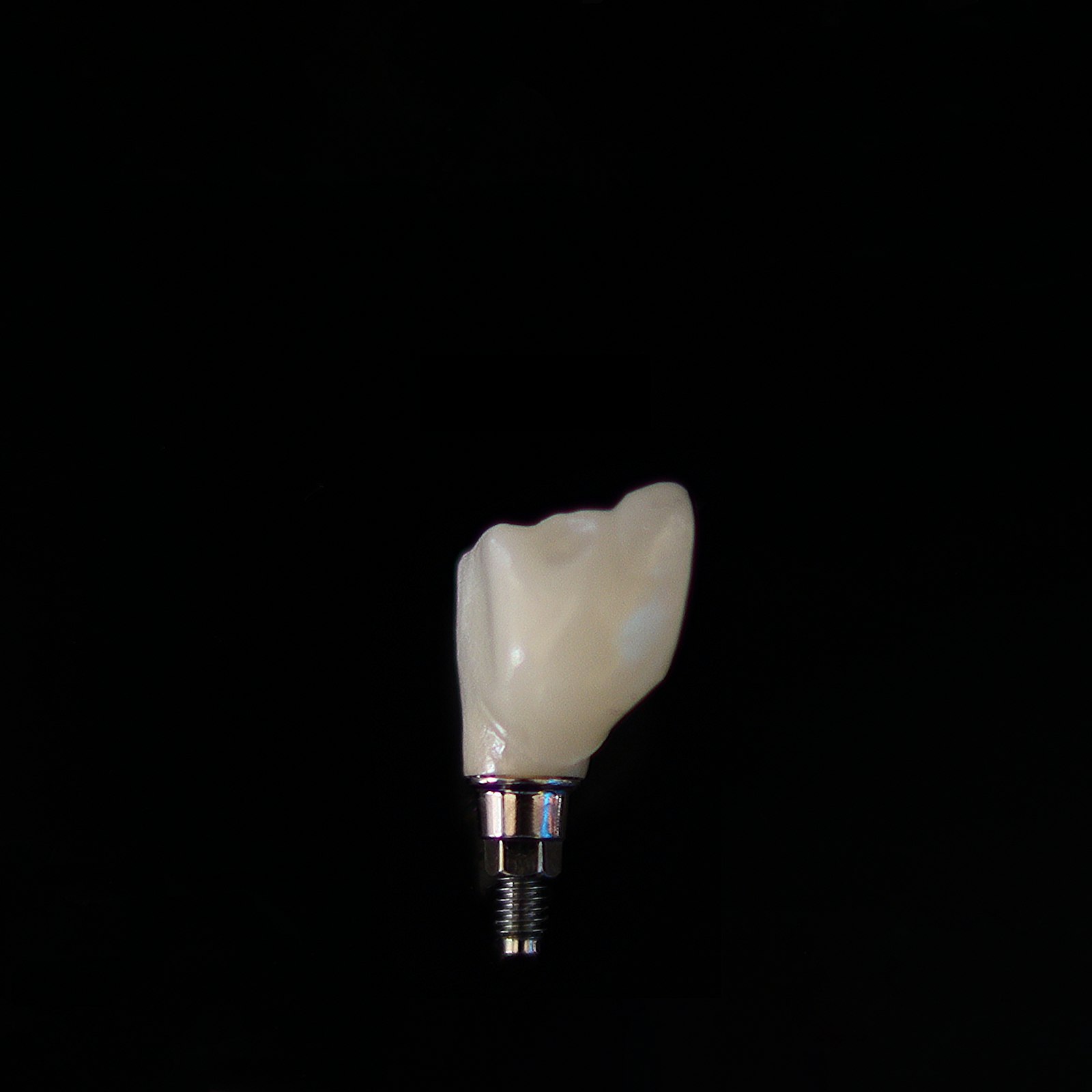

When a tooth is removed, the bone that used to hold it in place starts to shrink. This is normal biology, not a complication, but it has real consequences for how the area looks and for any plans to replace the tooth later. Studies show the ridge can lose roughly 30 to 60 percent of its volume in the first six months, and around two-thirds of that change happens in the first three months. The single most useful point is this: the decision about preserving the socket is best made before or at the time the tooth comes out, because once the bone has gone, rebuilding it is harder.
Key takeaways
- The jawbone naturally shrinks after a tooth is removed, fastest in the first three to six months.
- The ridge can lose around 30 to 60 percent of its volume within the first six months.
- Bone needs the stimulation of a tooth root to maintain itself, which is lost after extraction.
- Socket preservation, a graft placed at the time of extraction, reduces but does not fully stop the shrinkage.
- Preserving bone keeps future options for implants and a natural appearance more open.
Why bone disappears after extraction
The part of the jaw that surrounds a tooth, called the alveolar bone, exists to support that tooth. It relies on the everyday forces transmitted through the tooth root to stay dense and full. Once the tooth is gone, that stimulation stops, and the body gradually reabsorbs the now-unused bone. The socket fills with new bone as it heals, but the overall ridge becomes both shorter and narrower. The first 12 months typically see the most change, with width often reducing more than height. This is the same logic behind keeping a tooth where possible, as our comparison of root canal versus extraction discusses.
The timeline of change
Bone loss is not steady; it is front-loaded. The table below gives a general picture.
| Time after extraction | What typically happens |
|---|---|
| First 3 months | The fastest change, with around two-thirds of the eventual loss occurring |
| 3 to 6 months | Resorption continues but slows; most early shrinkage is complete |
| 6 to 12 months | The ridge stabilises, with width often reduced more than height |
| Beyond 1 year | Slow ongoing loss continues at a low rate over the years |
Why it matters for replacing the tooth
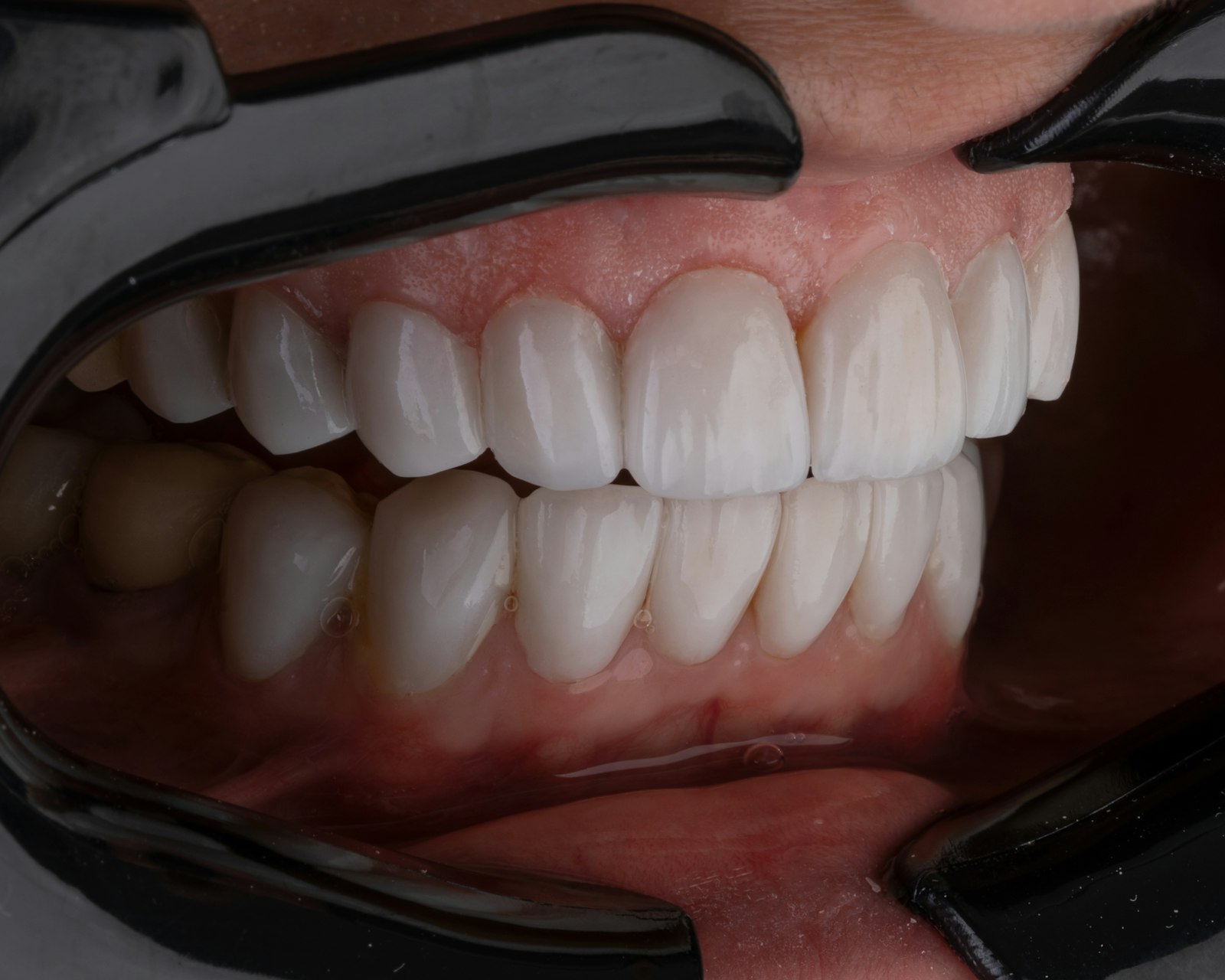
Bone is the foundation for a dental implant. An implant needs enough height and width of healthy bone to be placed and to stay stable. If a lot of bone has been lost, an implant may not be possible without first rebuilding the area, which adds time and cost. Bone loss also changes appearance, since a sunken ridge can leave a gap that looks longer or a slight hollow in the gum line, which matters most at the front of the mouth. Our guide to implant, bridge, and denture options explains how the choice of replacement interacts with available bone.
What socket preservation involves
Socket preservation, also called ridge preservation, is a procedure done at the time of extraction. After the tooth is removed, the empty socket is filled with a graft material, which acts as a scaffold for your own bone to grow into, and is usually covered to protect it while it heals. Research consistently shows this significantly reduces the dimensional shrinkage compared with leaving the socket to heal on its own. It is honest to add that no graft completely stops bone loss; the aim is to preserve as much as possible, not to freeze the ridge entirely. Where more substantial rebuilding is needed later, larger grafting procedures exist, which our guide to bone grafts and sinus lifts covers.
Is socket preservation always needed?
Not always. If there are no plans to replace the tooth, or if a bridge or denture is the chosen path, preserving the socket may be less important. It is most valuable when an implant is likely, when the site is at the front of the mouth where appearance matters, or when the existing bone is already thin. The right answer depends on your situation, which is why the conversation is best had before the tooth is removed. Looking after the extraction site well also supports healing, as our guide to extraction recovery describes.
Frequently asked questions
How much bone do I lose after an extraction?
Studies suggest the ridge can lose around 30 to 60 percent of its volume in the first six months, with most of that happening in the first three months.
Can I get an implant years after losing a tooth?
Often yes, but more bone may have been lost, so a graft might be needed first to rebuild enough height and width for the implant. An assessment will show what is possible.
Does socket preservation hurt?
It is usually done with local anaesthetic at the same time as the extraction, and most people find the recovery similar to the extraction itself. Your dentist will advise on aftercare.
Will a graft completely stop bone loss?
No. Socket preservation significantly reduces shrinkage but does not stop it entirely. The goal is to keep as much healthy ridge as possible for future options.
Do I need it if I am not replacing the tooth?
Not necessarily. It is most useful when an implant is planned or appearance is a priority. If no replacement is planned, it may be less important, and your dentist can advise.
The takeaway
Bone loss after an extraction is a normal part of healing, but it happens quickly and can limit your options later, especially for implants. Socket preservation at the time of extraction can hold on to much of that bone, keeping future choices open. The key is to discuss it before the tooth comes out. If you are facing an extraction or thinking about replacing a missing tooth, the team at Lumi Dental can talk through your options. Learn more on our dental implants page or book a complimentary consult via our contact page.

