

Huntington's disease is an inherited condition that gradually affects movement, thinking and behaviour. Its effects reach the mouth in several ways: involuntary movements known as chorea make brushing and dental visits harder, teeth grinding is common, and swallowing difficulty affects more than half of people with the condition, in some studies up to around three quarters. As the disease progresses, daily oral care increasingly depends on carers. Planning ahead keeps the mouth comfortable and healthy and supports the nutrition that matters so much in this condition.
The single thing to remember
Adapt the tools and the routine to the movement, rather than expecting the person to adapt to a standard toothbrush. The right equipment and a calm, supported routine make consistent oral care achievable even when chorea and swallowing problems are significant.
- Chorea makes precise brushing and steady dental visits difficult.
- Bruxism, or grinding, can wear and crack teeth.
- Swallowing problems raise the risk of choking and chest infection.
- Weight loss is common, so a comfortable mouth supports eating.

How Huntington's disease affects the mouth
The involuntary movements of chorea can involve the face, jaw and tongue, which makes holding still for brushing or treatment difficult and increases the chance of accidental injury to the lips and cheeks. Grinding and clenching wear the teeth and can cause fractures, jaw soreness and headaches. Many people also have reduced ability to keep up oral hygiene as the condition advances, so plaque builds up, raising the risk of decay and gum inflammation. Swallowing difficulty, the most common oral feature, affects safety at mealtimes and means extra care is needed during any dental procedure.
Daily oral care that adapts to movement
The aim is a routine that is safe, quick and repeatable. Carer involvement usually grows over time, and that is expected rather than a failure.
Tools and techniques
| Challenge | Helpful adaptation |
|---|---|
| Unsteady grip | Electric toothbrush, or a manual brush with a thick, moulded handle |
| Difficulty reaching between teeth | Water flosser with a wide grip, or interdental brushes |
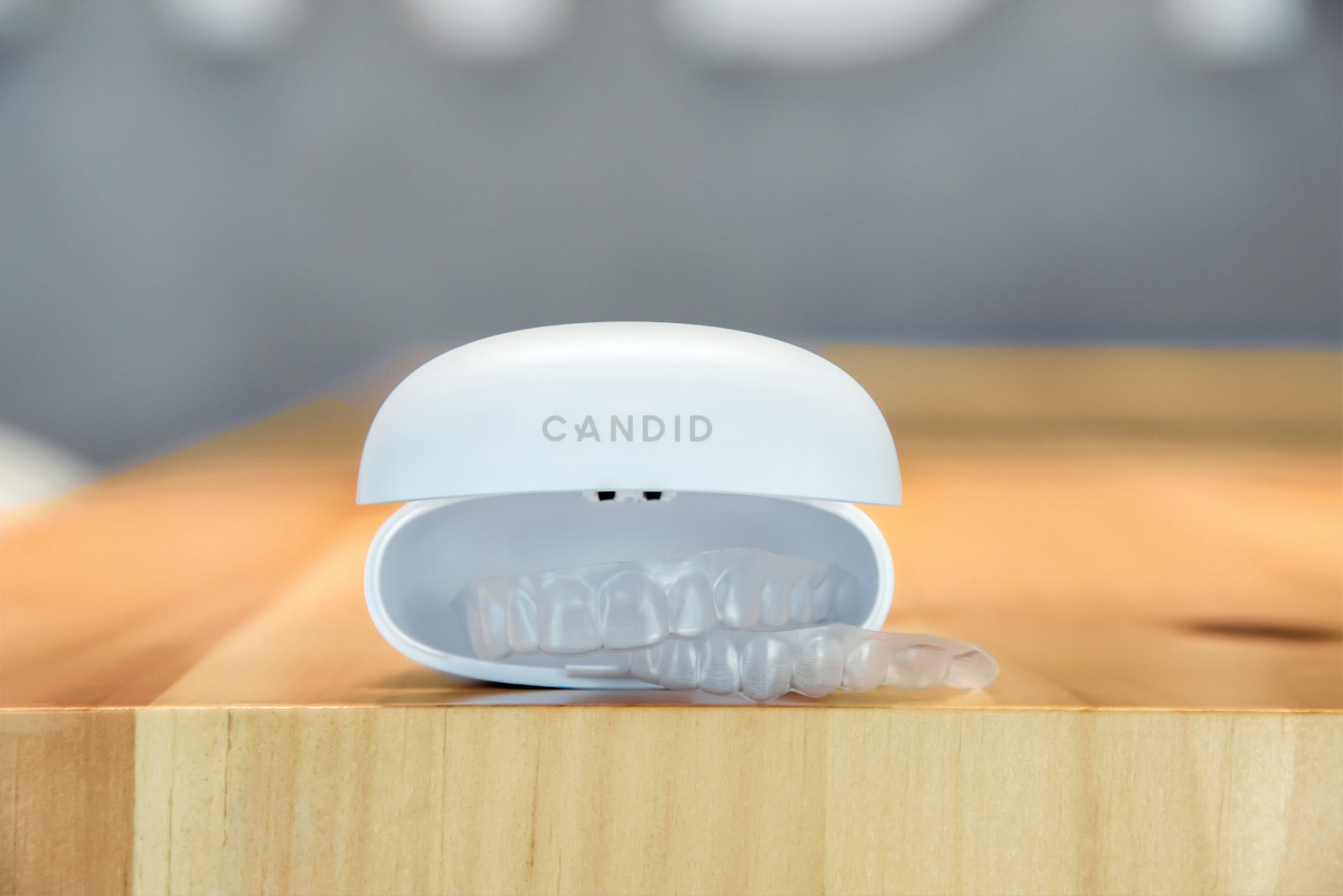
| Grinding and clenching | A custom mouthguard, where it can be tolerated, to protect teeth |
| Swallowing difficulty | Pea-sized toothpaste, wipe rather than rinse, upright positioning |
| Short tolerance for care | Short, frequent sessions at a consistent time of day |
A custom guard can relieve some of the pressure of grinding, in the same way described in general terms in many bruxism resources, though it must be assessed individually because tolerance varies.
Supporting nutrition and comfort
Weight loss is a well-known feature of Huntington's disease, and eating becomes harder as swallowing and movement decline. A healthy, pain-free mouth supports the ability to eat for as long as possible. That means treating decay and gum problems early, keeping dentures comfortable, and addressing any sore spots quickly. Carers should watch for signs of mouth pain that the person may not be able to report clearly, such as refusing food, pulling at the face, or new restlessness during meals.
Making dental visits work
- Book longer appointments at the person's best time of day, often the morning.
- Share the diagnosis, current medicines and swallowing status with the dental team in advance.
- Use supportive positioning and rest breaks so involuntary movements are easier to manage.
- Focus on prevention so that complex treatment is needed less often.
- Consider home visits in the later stages where attending a clinic becomes too difficult.
Families coping with other movement and swallowing conditions may find our guides on Parkinson's disease and oral care and motor neurone disease and oral care useful, as many of the practical strategies overlap.
Frequently asked questions
Can a person with chorea tolerate a mouthguard for grinding?
It varies. Some people tolerate a custom guard well and benefit from the protection, while others find it uncomfortable. The dental team will assess this individually and never force an appliance that increases distress or choking risk.
How can I brush the teeth of someone who moves a lot?
Support the head gently, use an electric brush, work in short bursts, and choose a calm, consistent time. Two carers can sometimes help, one offering reassurance while the other brushes. Ask the dental team to demonstrate safe techniques.
Is swallowing difficulty a reason to stop brushing?
No. It is a reason to adapt. Keep the person upright, use minimal toothpaste, and wipe the mouth rather than rinsing. Keeping the mouth clean actually lowers the risk of chest infection if small amounts are aspirated.
When should we consider home dental visits?
When travelling to a clinic becomes too stressful or unsafe. Domiciliary dental care can provide check-ups, cleaning and denture care at home in the later stages of the condition.
Talk to the team at Lumi Dental
Caring for someone with Huntington's disease is a long journey, and the team at Lumi Dental is here to make oral care simpler and gentler at every stage. We focus on prevention, comfort and practical carer support. Learn about our general dental care in Melrose Park or view current new-patient options on our offers page. We do not list our own prices here; ask us for a written quote.
This article is general information and does not replace advice from your dentist, neurologist or wider care team. Always coordinate care with the person's medical and allied health professionals.


