

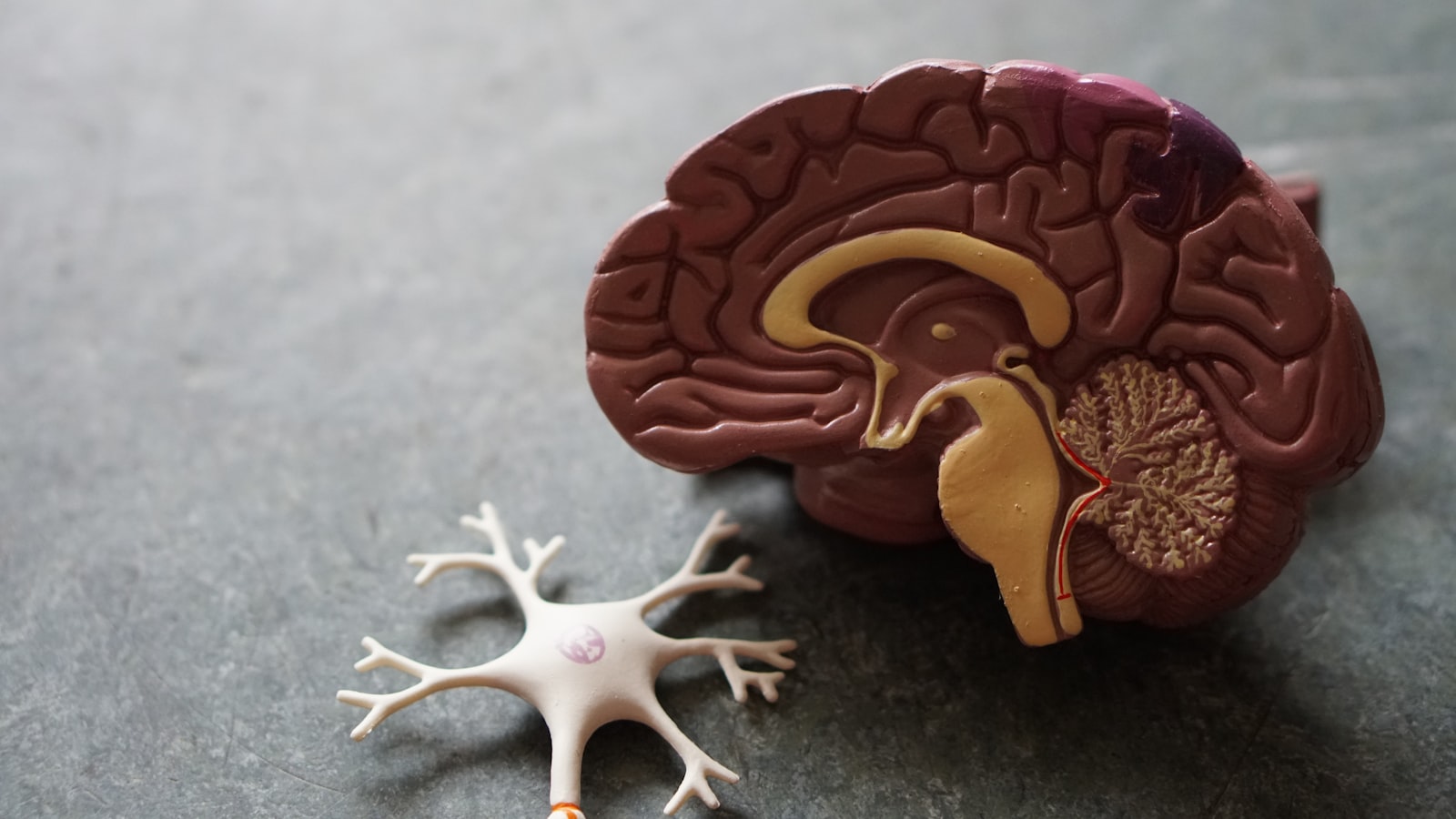

Parkinson's disease affects the mouth in ways that surprise many people. Surveys of people living with Parkinson's report drooling in around 70 percent, dry mouth in about 49 percent, swallowing difficulty in roughly 47 percent, and limited ability to perform oral hygiene in about 29 percent. Alongside these, rates of gum recession, gum disease, tooth decay and tooth loss are all higher than average. The encouraging part is that almost all of it responds to a planned routine and the right tools, whether you are managing your own care or supporting a family member.
Key takeaways
- Drooling in Parkinson's usually comes from slower swallowing, not extra saliva.
- Dry mouth is common and speeds up tooth decay.
- Reduced dexterity and tremor make thorough brushing harder.
- Electric brushes, adapted handles and timed routines all help.
- Regular dental reviews with a preventive focus keep small problems small.
The one idea that ties it together: keep saliva moving and plaque off
Two changes drive most of the dental risk in Parkinson's. First, oro-facial stiffness and slower tongue movement reduce how often and how well a person swallows, so saliva pools and spills as drooling even though the amount of saliva is normal or low. Second, both the condition and many of its medications reduce saliva, and saliva is the mouth's main defence against decay. Add reduced dexterity, and plaque is harder to remove. Keep saliva working where you can, and keep plaque off, and most problems shrink.
Managing the common challenges
Drooling
Because drooling reflects swallowing rather than excess saliva, simple cues help: reminders to swallow, sitting upright when eating, and chewing and lip exercises. A speech pathologist can assess swallowing and suggest techniques. Where drooling is severe, a doctor may discuss medical options.
Dry mouth
Sip water often, use sugar-free gum or lozenges to stimulate saliva, and try saliva-substitute sprays or gels, especially before bed. Avoid alcohol-based mouthwashes, which dry the mouth further. Because dry mouth raises decay risk, a dentist may recommend a high-fluoride toothpaste.
Brushing with tremor and stiffness
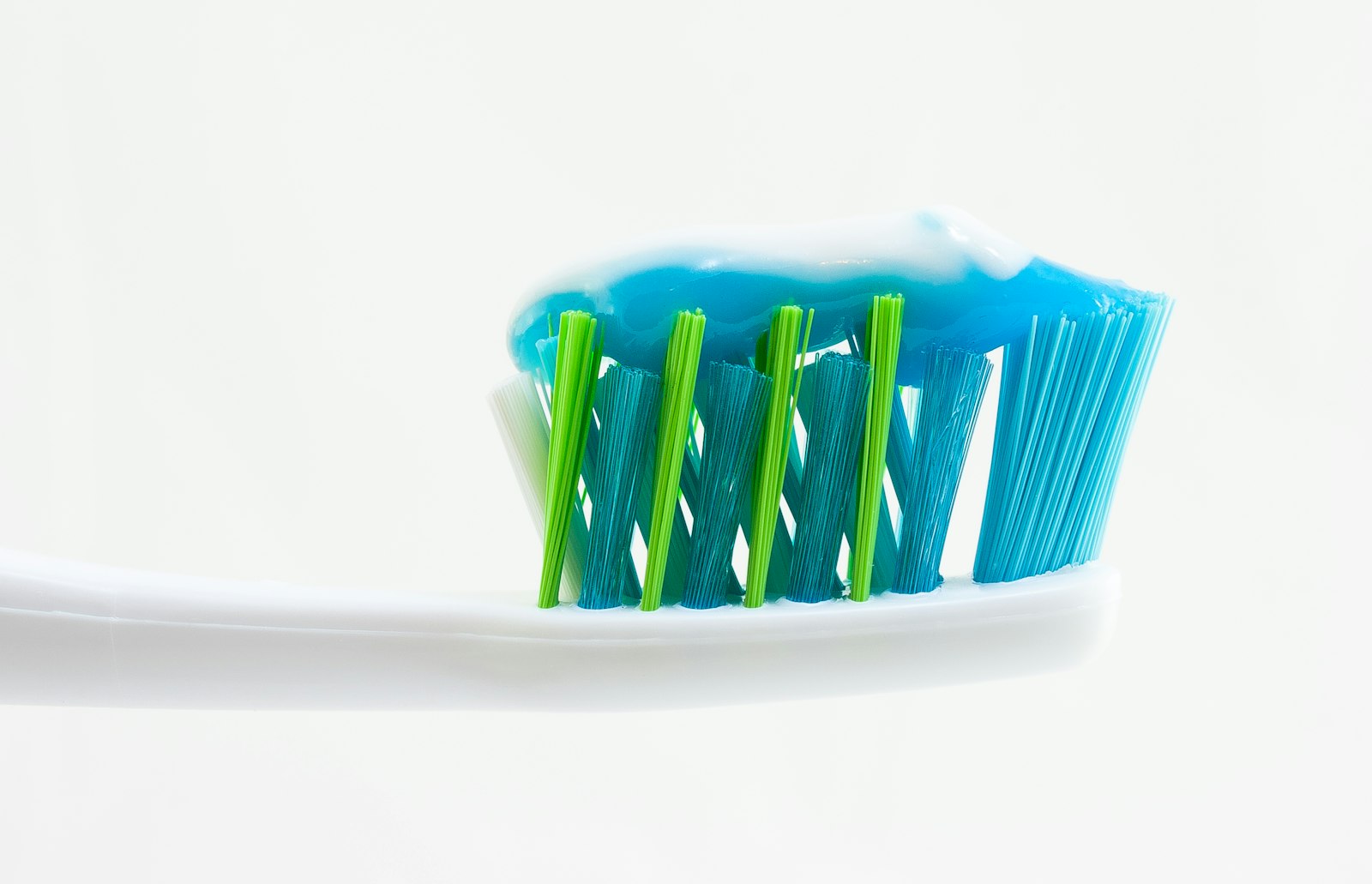
An electric toothbrush does much of the movement for you and has a wider handle that is easier to grip. If a manual brush is preferred, a thicker handle, or pushing the brush into a foam ball or bike grip, improves control. Brushing at the time of day when medication is working best makes the task easier. Carers can use the hand-over-hand technique, guiding rather than taking over.

Planning dental visits
Book appointments for the time of day when symptoms are best controlled, usually mid-morning after medication. Keep visits short, mention Parkinson's and any medications to the dental team, and lean on prevention: regular cleans, fluoride, and treating small cavities before they grow. A semi-reclined rather than flat chair position can make swallowing easier and the visit more comfortable.
General cost guide
The ranges below are general Australian market figures for planning, not a quote, and Lumi Dental does not list its own prices here.
| Item | General market range (AUD) |
|---|---|
| Check-up and clean | $180 to $390 |
| Electric toothbrush | $50 to $250 |
| Saliva substitute or high-fluoride toothpaste | $15 to $35 |
The team at Lumi Dental is happy to plan care around your needs and provide a written quote. See current offers on the current deals page or routine care with a general dentist.
Frequently asked questions
Why does Parkinson's cause drooling if the mouth is dry?
The two are separate. Drooling comes from swallowing less often and less efficiently, so saliva collects and spills. Dry mouth comes from reduced saliva production, often worsened by medication. A person can have both.
Is an electric or manual toothbrush better?
An electric brush is usually easier with tremor or stiffness because it does the movement and has a chunkier handle. A manual brush with an adapted grip is a fine alternative.
What can help dry mouth at night?
A saliva-substitute gel before bed, sips of water, and avoiding alcohol-based mouthwash. Treating dry mouth also lowers decay risk.
When should the dentist review someone with Parkinson's?
Usually every three to six months, so decay and gum problems are caught early while treatment is simpler.
When to see a dentist
Arrange a review for tooth pain, bleeding or swollen gums, sores, a dry mouth that disrupts eating or sleep, or any difficulty keeping the teeth clean. For related reading, see our guides on dementia and dental care, dry mouth and Sjogren's syndrome, bleeding gums when brushing, and denture stomatitis.
This article is general information and does not replace individual dental and medical advice.

