

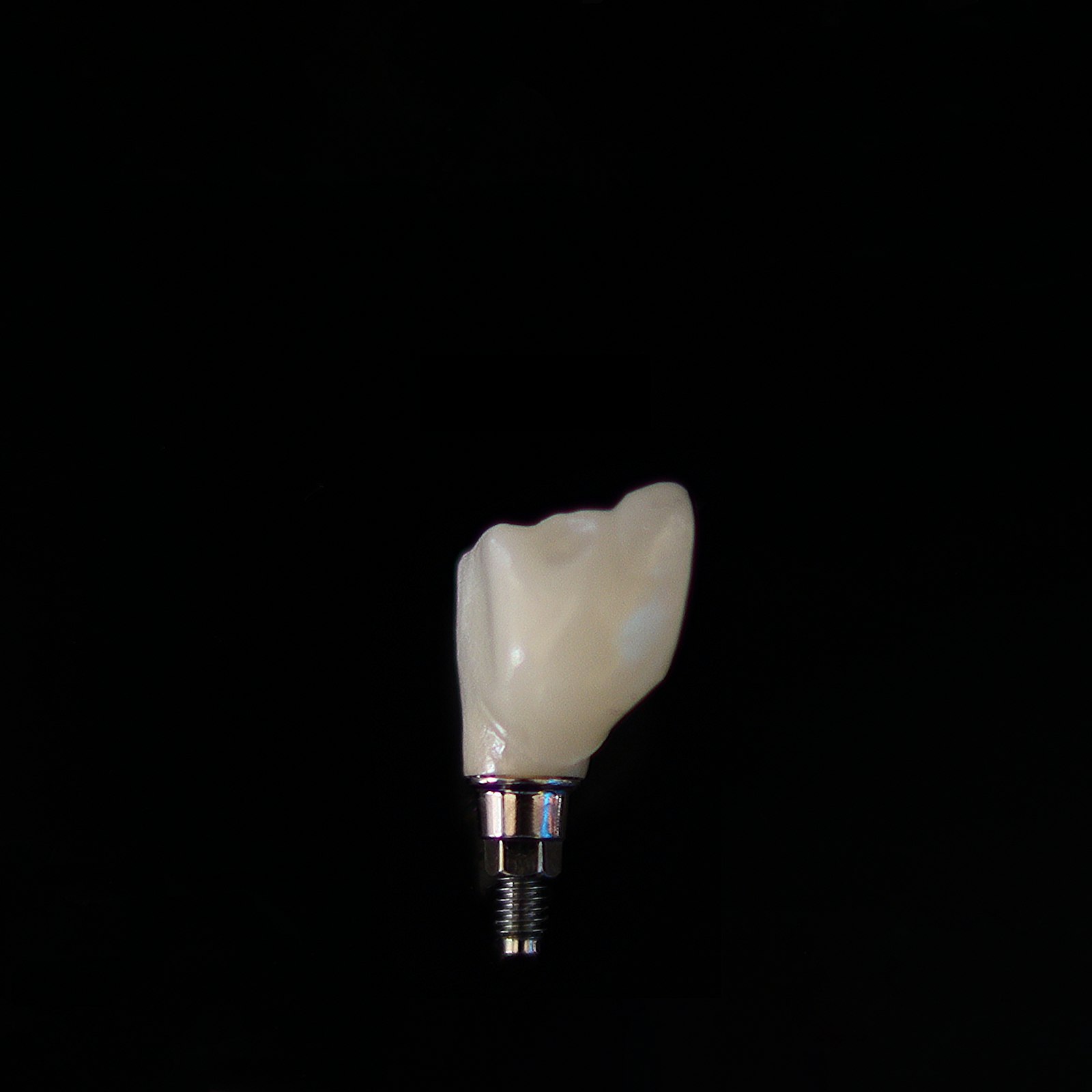

Immediate-load implants, often marketed as teeth in a day, place a temporary tooth or bridge onto the implant on the same day it is fitted, rather than waiting months for the implant to fuse to the bone first. It is an appealing idea, and for the right patient it works well, with research showing five-year survival around 95 to 98 percent when the conditions are right. The key phrase is when the conditions are right, because immediate loading is not suitable for everyone.
The one thing that decides most cases is primary stability: how firmly the implant grips the bone the moment it is placed. Get that right and immediate loading can match the traditional approach. Without it, waiting is safer.
Key takeaways
- Immediate-load implants attach a temporary tooth the same day, instead of waiting months to heal.
- Success depends on strong primary stability, usually an insertion torque of around 35 to 40 Ncm or a high stability reading.
- With the right candidate, five-year survival is comparable to delayed loading, around 95 to 98 percent.
- It is not suitable for everyone; poor bone quality or a heavy grinding habit usually rules it out.
- The same-day tooth is a temporary, with the final crown or bridge fitted once healing is complete.
Immediate versus delayed loading
In the traditional, delayed approach the implant is placed and left to fuse with the bone for roughly three to six months before a crown is attached. Immediate loading shortens that wait by fitting a temporary tooth straight away. The trade-off is that the implant has to bear function before it has fully healed, so it must be gripping the bone firmly enough to stay still while it integrates. Research comparing the two finds similar long-term survival and only small differences in bone levels, provided the implant had good initial stability. Our guide to dental implant costs and stages sets out the standard timeline for comparison.
Why primary stability is the deciding factor
Primary stability is how tightly the implant is anchored in the bone at the moment of placement, before any biological healing. It is commonly measured by the torque needed to drive the implant in, with around 35 to 40 Ncm or higher generally considered enough for immediate loading, or by a stability reading on a small device. If the implant is rock solid, a temporary tooth can be attached without the implant micro-moving, which is what would otherwise prevent it from fusing. If stability is borderline, loading it early risks failure, so the dentist will choose to wait.
Who is a good candidate
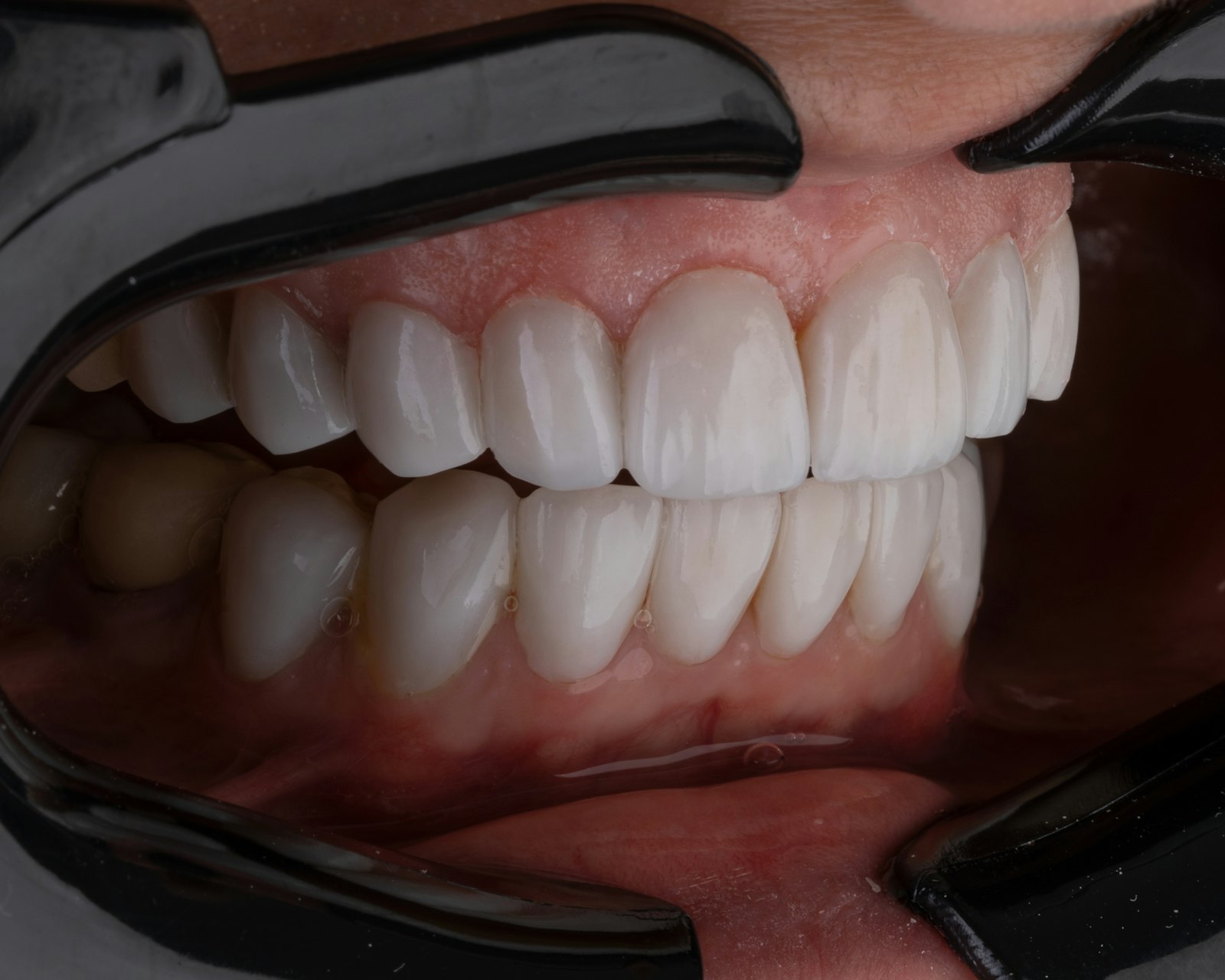
Immediate loading suits people with good bone volume and density, healthy gums, and an implant that achieves strong primary stability at placement. Full-arch cases, such as All-on-4, are common candidates because the implants are splinted together by the bridge, which spreads the load and adds stability. Less suitable are people with soft or thin bone, uncontrolled gum disease, heavy clenching or grinding, or those who smoke heavily, since all of these reduce the chance of the implant fusing under early load. A thorough assessment, usually including a 3D scan, decides this.
What the process looks like
- Planning: examination and a 3D scan to assess bone and plan the implant position.
- Surgery day: the implant is placed and stability is measured. If it is high enough, a temporary tooth or bridge is fitted the same day.
- Healing: you wear the temporary while the implant fuses over the following months, usually eating softer foods and avoiding biting hard on it.
- Final restoration: once healing is confirmed, the permanent crown or bridge is made and fitted.
The trade-offs to weigh
The benefits are obvious: you leave with a tooth, avoid a gap, and have fewer separate stages. The trade-offs are that not everyone qualifies, the same-day tooth is a temporary that you must treat carefully, and there is a slightly higher demand on case selection and technique. When a dentist recommends waiting instead, it is usually because the bone or stability does not yet support early loading, and that caution protects the long-term result. A loose-feeling implant during healing should always be reviewed promptly, as covered in our guide to a loose implant.
What it costs
Immediate-load and full-arch implant treatment is a significant investment that varies with the number of implants, the materials, and whether grafting is needed. As a general guide only, single implants and full-arch solutions in Australia span a wide range, and immediate loading does not necessarily cost more than the staged approach. These are general market ranges, not a quote, and the team at Lumi Dental does not publish its own prices here. See our current deals page, or book an implant consultation for a written quote and an assessment of whether same-day teeth suit you.
Frequently asked questions
Are same-day implants as reliable as traditional ones?
For suitable candidates, yes. Research shows comparable five-year survival, around 95 to 98 percent, when the implant achieves strong primary stability. The key is careful patient selection.
Who cannot have immediate-load implants?
People with soft or insufficient bone, uncontrolled gum disease, heavy grinding habits, or who smoke heavily are usually advised to wait, because early loading then carries a higher risk of failure.
Is the same-day tooth the final one?
Usually no. The same-day tooth is a temporary. The permanent crown or bridge is fitted once the implant has fully fused, generally after a few months.
Does immediate loading hurt more?
The surgery itself is comparable, done under local anaesthetic with sedation options. Fitting the temporary adds a little time on the day but is not typically more painful.
How do I look after a same-day implant?
Eat softer foods, avoid biting hard on the temporary, and keep the area very clean. Your dentist will give specific instructions to protect the implant while it fuses.
If you are considering implants and want to know whether same-day teeth are an option for you, the team at Lumi Dental in Melrose Park can assess your bone and stability. Related reading: All-on-4 implants, implant costs and stages, and how long implants last.
This article is general information and not a substitute for personal advice from a dentist.

