
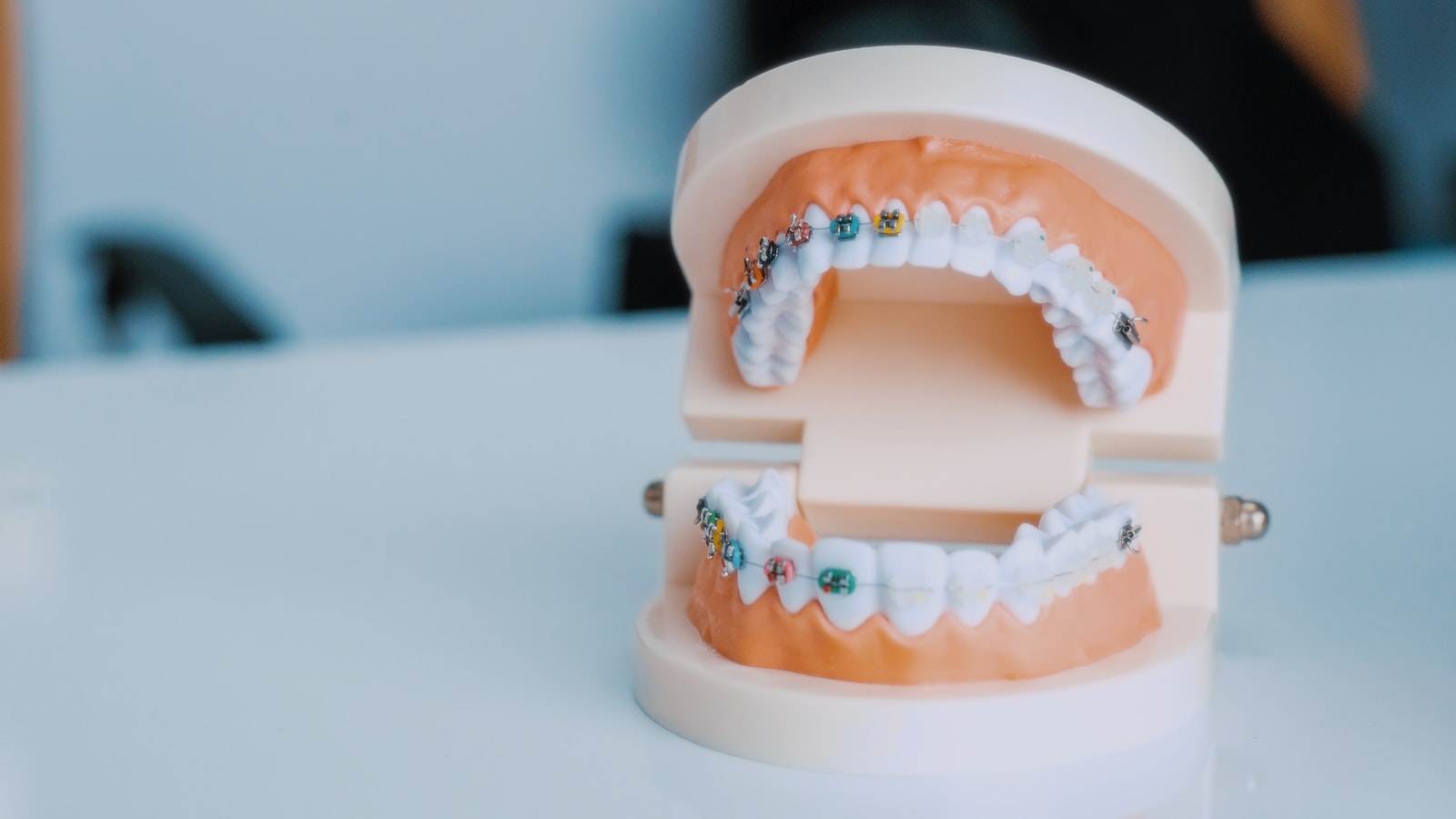

An impacted canine is a canine tooth that fails to erupt into its normal position, and the upper canine is the second most commonly impacted tooth after wisdom teeth. Canines usually come through around ages eleven to thirteen, and when one does not appear on schedule, it may be stuck in the bone or gum. Catching this early, ideally between ages ten and thirteen, makes a real difference, because a simple, well-timed step can sometimes guide the tooth in and avoid more involved treatment later.
Key takeaways
- An impacted canine is one that does not erupt into place, most often an upper canine.
- Upper canines are the second most commonly impacted teeth after wisdom teeth.
- Early detection between ages ten and thirteen allows simpler, more effective treatment.
- Leaving an impacted canine can damage the roots of neighbouring teeth or form a cyst.
- Treatment ranges from removing the baby canine to guide it in, to braces that pull it into place.
Why canines get stuck
The upper canine has the longest path to travel of any tooth, moving a considerable distance from high in the jaw down into the arch. That long journey gives more opportunity for it to veer off course. Common reasons a canine becomes impacted include crowding that leaves no room, a missing or small neighbouring tooth that removes the guidance the canine follows, an extra tooth in the way, or simply an unusual position of the developing tooth. Genetics play a part, and impacted canines can run in families.
A missing or peg-shaped lateral incisor next door is a well-recognised association, because the canine normally uses that neighbour root as a guide rail. Our guides to a peg lateral incisor and to missing teeth in children explain those linked situations.

Signs that a canine may be impacted
The clue is often what you do not see. If a baby canine has not fallen out by around age fourteen, or the adult canine has not appeared while the teeth either side have, that is worth checking. A bulge felt high in the gum, or an adult tooth next door that looks tipped or has moved, can also point to an impacted canine pressing on it. Because the tooth is hidden, an X-ray, and sometimes a three-dimensional scan, is used to pinpoint its exact position.
| Sign | What it can suggest |
|---|---|
| Baby canine still present past age fourteen | The adult canine may be stuck behind it |
| A gap where the canine should be | The tooth has not erupted into place |
| A neighbouring tooth tipping or moving | The canine may be pressing on its root |
| A firm bulge high in the gum | The canine may be sitting toward the palate or cheek |
Why early detection matters
Between about ages ten and thirteen, a dentist can feel for the erupting canine and check its path. If it is heading the wrong way, removing the baby canine at the right moment can, in a good proportion of cases, let the adult tooth correct its course and come through on its own. This simple interceptive step is only available in that window, which is why regular checks in these years are valuable. Leaving an impacted canine unaddressed carries real risks: it can slowly resorb the root of the incisor next to it, and it can occasionally form a cyst around the crown, as our guide to eruption cysts touches on.
How impacted canines are treated
- Interceptive extraction. Removing the baby canine at the right age can encourage the adult canine to erupt naturally in many cases.
- Expose and bond with braces. A small procedure uncovers the impacted tooth and attaches a bracket, then orthodontic traction gradually pulls it into position over months. This is the most common active treatment.
- Monitoring. If a canine is well positioned and not harming anything, it may be watched rather than treated.
- Removal. If the tooth cannot be brought into line or has damaged a neighbour, it may be removed, with the space managed by orthodontics or a replacement.
General cost guide
Costs vary widely with the treatment needed, from a simple extraction to combined surgery and orthodontics. The figures below are general Australian market ranges to help you plan, not a quote, and Lumi Dental does not list its own prices here.
| Service | General market range (AUD) |
|---|---|
| Examination and X-ray | $120 to $300 |
| Baby canine extraction | $200 to $400 |
| Expose and bond plus orthodontic traction | Varies, often part of a full orthodontic plan |
If a canine is late to appear, the team at Lumi Dental can check its position and advise on timing, with a written plan. See the current deals page to book.
Frequently asked questions
Which teeth get impacted most often?
Wisdom teeth are the most commonly impacted, and upper canines are next. Because canines are important for both the smile and the bite, bringing them into place is usually worthwhile.
At what age should an impacted canine be picked up?
The best window is around ages ten to thirteen, when a dentist can feel for the erupting tooth and act early if it is off course. This is why regular checks in these years matter.
Can an impacted canine be left alone?
Sometimes, if it is well positioned and not harming neighbouring teeth, it can be monitored. But an impacted canine that is pressing on an incisor root or forming a cyst needs treatment to prevent damage.
Does bringing a canine into place hurt?
The procedures are done with anaesthetic, and the orthodontic movement is gradual rather than painful, though there can be mild soreness after adjustments. Most people manage comfortably.
Why not just remove it and use a replacement?
Canines are strong, long-lasting teeth that are important for the bite and smile, so guiding the natural tooth into place is usually preferred. Removal and replacement is reserved for cases where that is not possible.
The takeaway
An impacted canine is a common problem that is far easier to manage when caught early. A well-timed check in the early teens can allow a simple step that guides the tooth in, while later cases may need braces to bring it into place. Leaving it risks damage to neighbouring teeth. If a canine is slow to appear, the team at Lumi Dental can help. Visit our current deals page to book.
This article is general information and is not a substitute for an individual dental assessment.


