


Hypodontia is the term for one or more adult teeth that never develop. Setting aside wisdom teeth, it affects somewhere between about 2 and 7 percent of people, making it one of the more common developmental differences in children's teeth. Most children with hypodontia are missing only one or two teeth, and it is slightly more common in girls. The teeth most often absent are the lower second premolars and the upper lateral incisors, the smaller teeth either side of the two front teeth.
If your child's dentist has mentioned a missing adult tooth, it is rarely a cause for alarm. With the right timing and planning, the gap can be managed well. This guide explains how hypodontia is found, why it happens, and the treatment choices that unfold over childhood and into adulthood.
Key takeaways
- Hypodontia means one or more adult teeth never formed. Excluding wisdom teeth, it affects roughly 2 to 7 percent of people.
- The most commonly missing teeth are the lower second premolars and the upper lateral incisors.
- A baby tooth that has not been replaced and shows no adult tooth beneath it on an X-ray is the usual first clue.
- A simple X-ray confirms whether an adult tooth is truly absent or just delayed.
- Treatment is planned over time and can include keeping the baby tooth, orthodontics to close or open space, or replacing the tooth later with a bridge or implant.
- Early diagnosis gives the most options, so regular childhood check-ups matter.
The first question: is the tooth missing or just late?
Before anything else, the key question is whether an adult tooth is genuinely absent or simply running late. Children vary a lot in when their adult teeth arrive, and a tooth that has not appeared yet is not necessarily missing. A single dental X-ray answers the question by showing whether the tooth is developing in the jaw. This is why hypodontia is usually confirmed with imaging rather than assumed, and why a baby tooth that is hanging on well past its usual age is worth investigating rather than ignoring. Our guide to when adult teeth come in sets out the normal timeline.

Why does hypodontia happen?
Most hypodontia is genetic and often runs in families, so a parent or sibling may have a missing tooth too. It happens when the tiny bud that would become a tooth does not form during early development. In the large majority of children it affects just one or two teeth and is otherwise isolated, with no other health issues. Less commonly, missing many teeth can be linked to a wider genetic condition, which is one reason your dentist may ask about family history and other features. For most families, though, it is simply a common variation.
Which teeth are usually involved
| Tooth | Notes |
|---|---|
| Lower second premolars | Among the most commonly missing. The baby molar above it may be kept for years |
| Upper lateral incisors | The small teeth beside the two upper front teeth, often missing on one or both sides |
| Upper second premolars | Also frequently involved |
| Other teeth | Less common, and missing many teeth is rarer and may prompt further checks |
What it means for your child
The effects depend on which tooth is missing and where. A missing upper lateral incisor near the front of the smile is mostly an appearance and spacing question. A missing lower premolar towards the back is more about the bite and whether the baby tooth in its place will last. A retained baby tooth can sometimes serve for many years, but baby teeth are smaller and not built to last a lifetime, so a plan for the future is helpful. Gaps can also let neighbouring teeth drift, which is one reason timing matters.
Treatment options over time
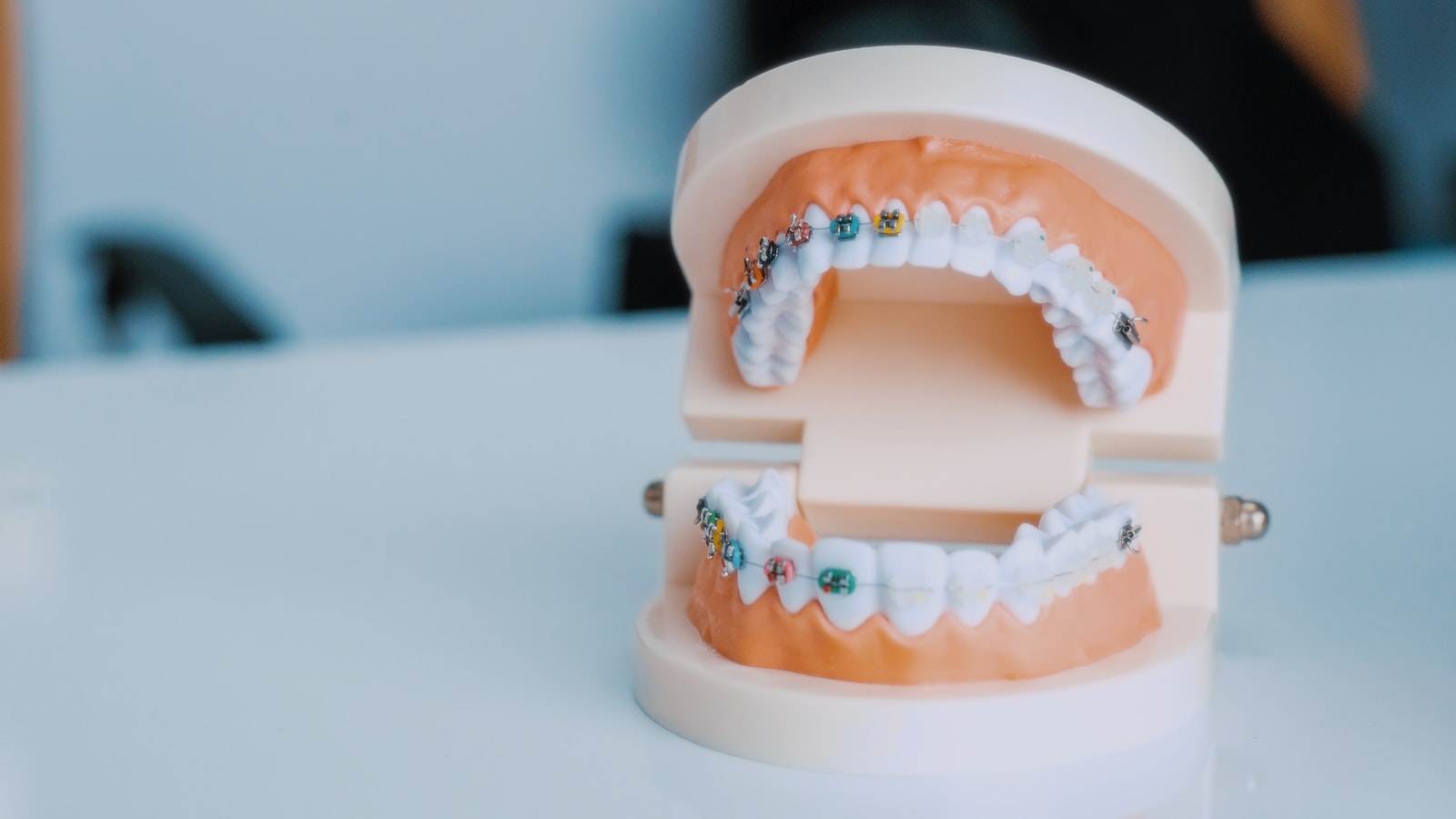
Hypodontia is managed in stages, and the right plan depends on your child's growth, bite and which teeth are involved. Common approaches include keeping a healthy baby tooth for as long as it lasts, using orthodontics to either close the gap so other teeth fill the space or to open and hold space for a future replacement, and, once growth is complete in the late teens or adulthood, replacing the tooth with a bridge or a dental implant. Implants are generally delayed until the jaw has finished growing. Where the gap is closed with aligners or braces, the tooth can sometimes be reshaped to look natural. Because several disciplines are often involved, planning early gives the widest range of options. Costs vary widely with the plan chosen, and the team at Lumi Dental does not list its own prices here. We are happy to provide a written quote, and current information is on our offers page.
Frequently asked questions
Will my child need treatment straight away?
Usually not. Many children simply keep a healthy baby tooth and are monitored while they grow. Active treatment is timed to suit their development, and the final replacement, if needed, often waits until adulthood.
Can a baby tooth last into adulthood?
Sometimes. A well-cared-for baby molar can serve for many years, occasionally into adulthood, though it is smaller and may eventually wear or loosen. Good cleaning helps it last.
Is hypodontia inherited?
Often, yes. It frequently runs in families, so it is common to find a parent or sibling with a missing tooth too. That does not mean every child in a family will be affected.
Does a missing tooth affect speech or eating?
A single missing tooth rarely affects speech or eating much, especially towards the back. Missing front teeth can affect appearance and confidence, which is part of why a plan is made.
A missing adult tooth is common and very manageable when it is found early and planned well. If your child has a baby tooth that has not been replaced, or you have been told an adult tooth is missing, the team at Lumi Dental in Melrose Park can confirm what is happening and map out the options. Read more about caring for children's teeth in our first dental visit guide, and our companion piece on extra teeth in children. Current new patient information is on our offers page.
This article is general information and is not a substitute for personal dental advice for your child.


