

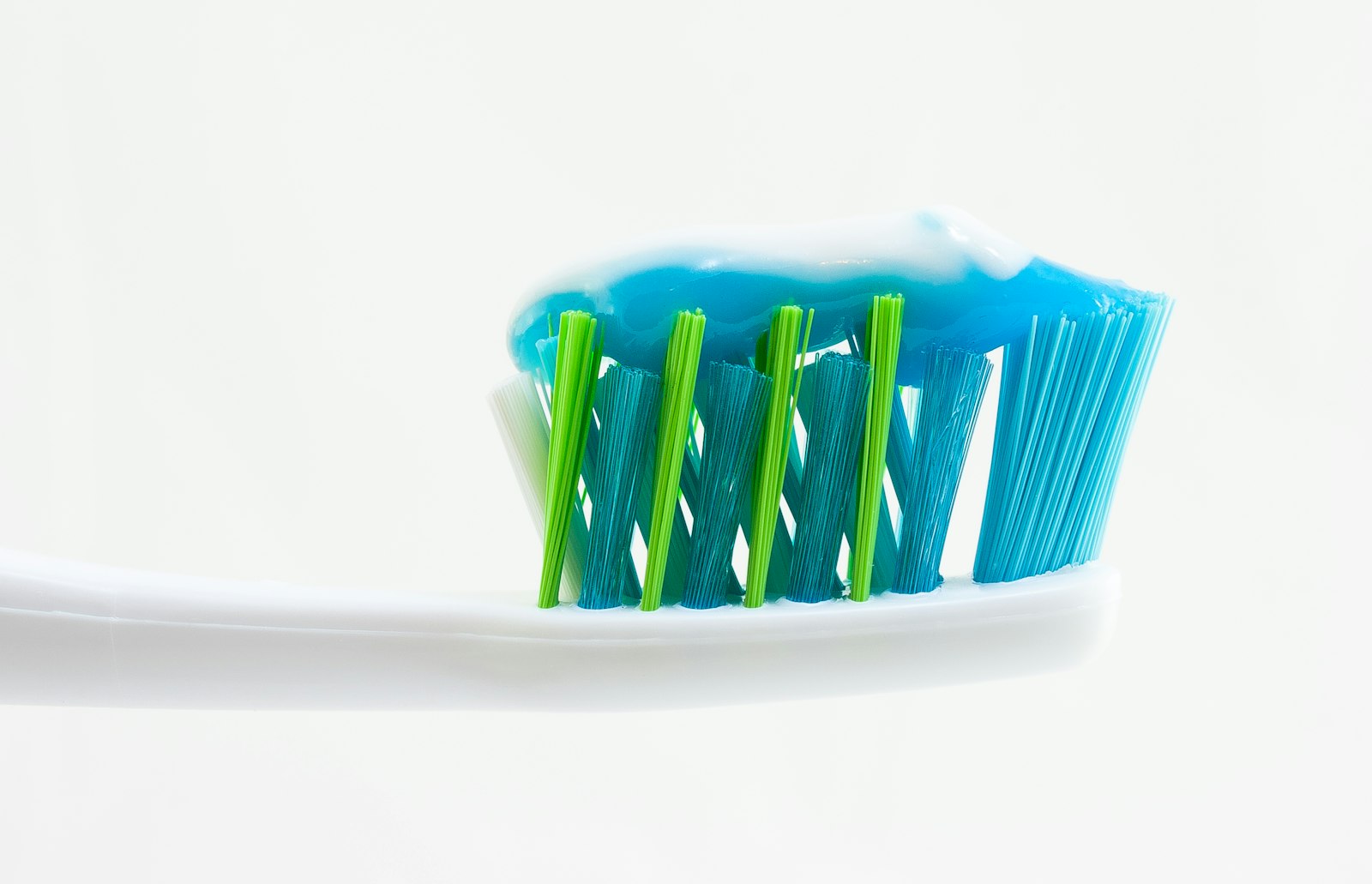

Electric toothbrushes are not just for adults. Research shows they remove noticeably more plaque than a manual brush for children, with one study reporting around 32 percent more plaque removed in three to six year olds and closer to 52 percent more in seven to nine year olds. They are safe for children from around age 3 when used with supervision, and for many families they make the daily brushing battle a little easier.
The most important thing to know is that the brush is only part of the picture. Until about age 7 to 8 a child does not have the coordination to clean thoroughly on their own, so adult help matters far more than which brush you buy.
Key takeaways
- Electric brushes remove more plaque than manual brushes for children, especially while technique is still developing.
- They are generally safe from around age 3 with a child-sized brush and adult supervision.
- Look for soft bristles, a small head, a gentle mode, and an age-appropriate size.
- Children need help or supervision with brushing until at least age 7 to 8.
- Use only a smear of fluoride toothpaste under 3, and a pea-sized amount from 3 onwards.
Are electric toothbrushes better for kids?
For plaque removal, the evidence leans yes. Because the brush head does the cleaning motion for them, children who are still learning to brush get a more even clean than they manage with a manual brush and imperfect strokes. Reviews of the research consistently find power brushes remove more plaque in children, and the benefit is largest in the youngest age groups whose coordination is least developed. They are not essential, and a manual brush used well is perfectly good, but an electric brush can close the gap left by a young child's technique.
What age can a child start?
Most children can start an electric toothbrush from around age 3, once they can hold the brush comfortably and tolerate the gentle vibration. Brushes designed for ages 3 and up have soft bristles, small heads, and gentle modes that make them suitable. Under 3, a small manual brush or a baby electric designed for that age, used by a parent, is usually simplest. Whatever the brush, the routine matters more than the gadget: twice a day, last thing being at bedtime. Our guide to electric versus manual toothbrushes covers the general comparison.
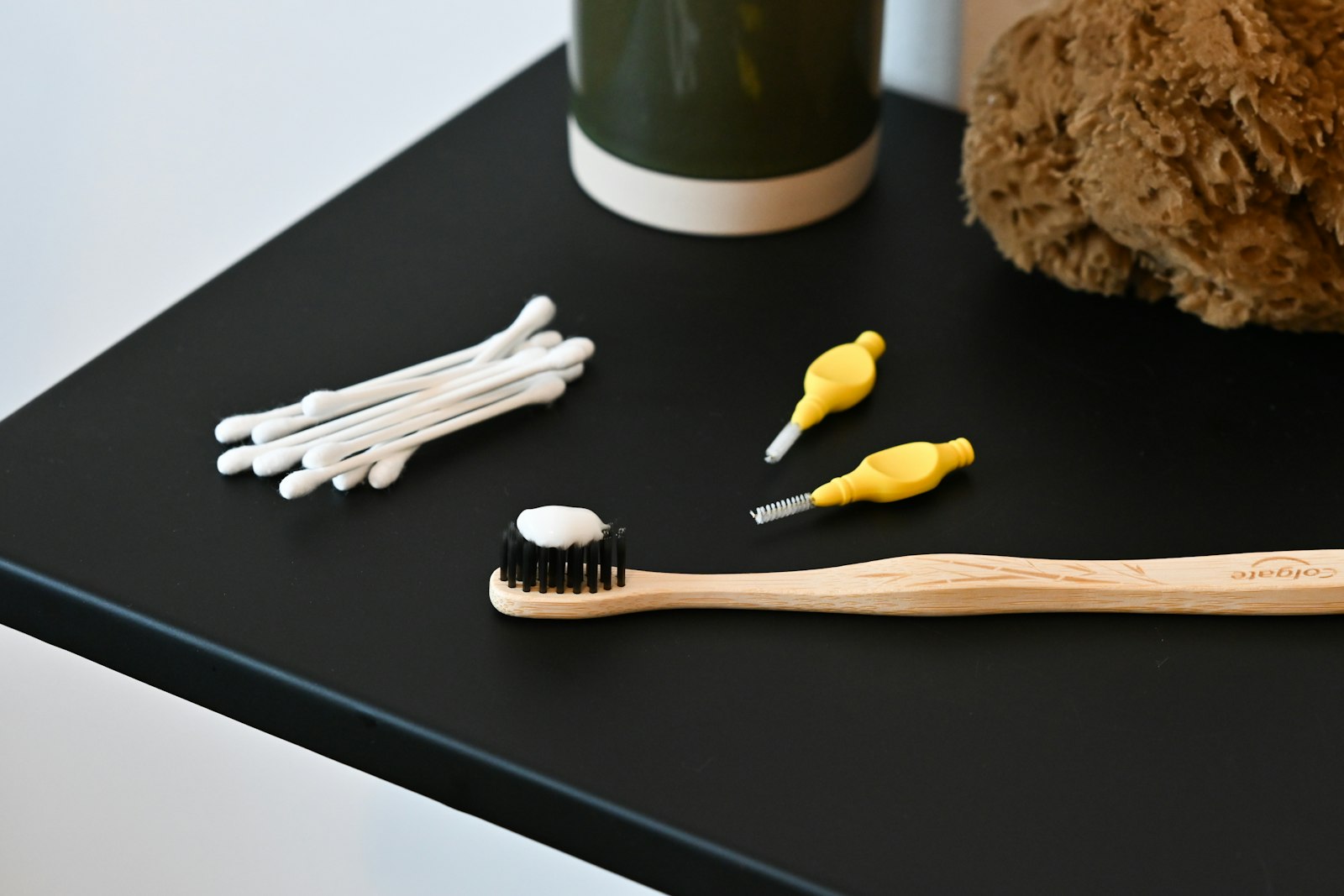
How to choose one
- Soft bristles and a small head sized for your child's age, so it reaches the back teeth comfortably.
- A gentle or low-power mode, since strong vibration can put young children off.
- A two-minute timer, which many kids enjoy and which builds the right habit.
- An easy-to-hold handle, and a design or character your child likes, since enthusiasm drives use.
- Replaceable heads, and replace them every three months or when the bristles splay.
How to use it well
Technique still matters with an electric brush. Guide your child to hold the brush head against each tooth at the gum line and let the brush do the work, moving slowly tooth by tooth rather than scrubbing. Cover all surfaces, the outsides, the insides, and the chewing surfaces, for the full two minutes. Use the right amount of fluoride toothpaste: a smear for under threes and a pea-sized amount from age 3, and encourage spitting rather than rinsing so the fluoride keeps working.
Supervision is the real key
This is the part that matters most. Young children do not have the manual dexterity to brush thoroughly on their own, so parents should brush or closely supervise until at least age 7 to 8, and keep an eye on technique for a while after that. A common approach is to let the child have a go first, then for a parent to go over the teeth properly. No brush, electric or otherwise, makes up for teeth that are not actually being cleaned. Pairing good brushing with the prevention steps in our guide to dental sealants for children gives young teeth the best protection.
What it costs
Children's electric toothbrushes span a broad range, from inexpensive battery models to rechargeable brushes, plus the ongoing cost of replacement heads. As a general guide only, kids' electric brushes are widely available across budget and mid-range price points, and any brush used well is better than an expensive one used poorly. These are general market ranges, not a quote. For advice on your child's brushing and prevention, see our current deals page or book a children's check-up.
Frequently asked questions
At what age can my child use an electric toothbrush?
Most children can start from around age 3 with a child-sized brush and adult supervision. Choose one with soft bristles, a small head, and a gentle mode.
Are electric toothbrushes safe for children's gums?
Yes, when you use a soft-bristled, child-appropriate brush and a gentle technique. Let the brush rest against the teeth rather than pressing hard.
Are they better than a manual brush for kids?
Studies show electric brushes remove more plaque for children, particularly while technique is developing. A manual brush used well is still fine, though.
How much toothpaste should my child use?
A smear of fluoride toothpaste under age 3, and a pea-sized amount from 3 onwards. Encourage spitting rather than rinsing so the fluoride keeps working.
Until what age should I help my child brush?
Help or closely supervise until at least age 7 to 8, since younger children cannot yet clean thoroughly on their own.
For tailored advice on your child's brushing, the team at Lumi Dental in Melrose Park is happy to help at their next visit. Related reading: electric versus manual toothbrushes, dental sealants for children, and when kids should start flossing.
This article is general information and not a substitute for personal advice from a dentist.

