



Methamphetamine use is strongly associated with rapid and severe tooth decay, a pattern often called meth mouth. It can affect many teeth at once, sometimes within a year or two, and it tends to attack the smooth surfaces and gum-line areas that decay usually spares. The important thing to understand is that the damage is not caused by the drug touching the teeth. It comes from a combination of effects the drug sets in motion, and that means it can be prevented and, with the right care, repaired.

Key takeaways
- Meth mouth is rapid, widespread tooth decay linked to methamphetamine use.
- It is driven by dry mouth, teeth grinding, sugary drinks, and reduced cleaning, not by the drug contacting teeth.
- Surveys of people who use methamphetamine report dry mouth in around seven in ten and jaw clenching in around two in three.
- The decay often appears on surfaces that are usually low risk, which is a clue to the cause.
- Treatment and prevention are possible, and dental care works best alongside support for reducing or stopping use.
The one chain of events behind the damage
The dental harm follows a clear sequence. Methamphetamine dries the mouth, removing the saliva that normally neutralises acid and washes away food. It also drives long periods of clenching and grinding, which crack and wear teeth. People may crave sugary, acidic drinks during long waking periods, bathing teeth in acid. And during heavy use, regular brushing often falls away. Put together, a dry, acid-soaked, unbrushed, heavily stressed mouth is close to a worst-case setting for decay. Understanding this chain shows where it can be broken.
Why the decay looks different
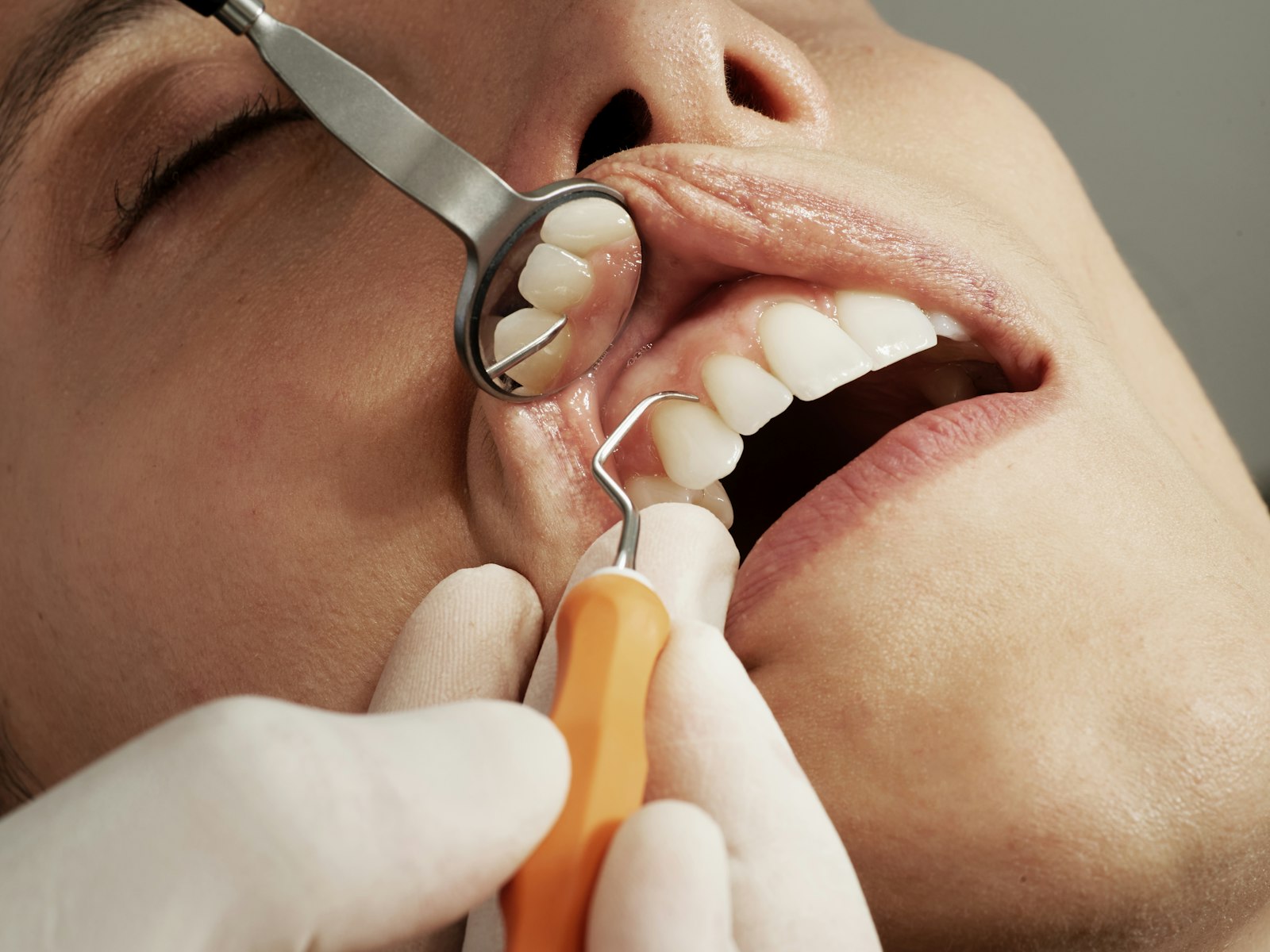
Ordinary decay usually starts in the grooves of the back teeth and between teeth. Meth-related decay often appears on the smooth front surfaces and along the gum line, and on many teeth at the same time. Dentists recognise this pattern because it does not match the usual risk areas. The widespread, fast-moving nature reflects how completely the protective role of saliva has been lost.
The main oral effects
| Effect | Cause | Result |
|---|---|---|
| Dry mouth | Reduced saliva flow | Loss of acid protection, faster decay |
| Rapid decay | Dry mouth, sugary drinks, less brushing | Many teeth affected quickly |
| Grinding and clenching | Stimulant effect on muscles | Worn, cracked teeth, jaw and joint pain |
| Gum disease | Plaque build-up, reduced care | Inflammation, bone loss over time |
What helps
The most powerful step is reducing or stopping use, supported by the right services, which lifts the dry mouth and grinding that drive the damage. Alongside that, dental care focuses on saliva support, daily high-fluoride toothpaste, cutting the frequency of sugary and acidic drinks, and treating decay and gum disease. A dry mouth can be eased with frequent water, sugar-free gum, and saliva products. Grinding may be helped by a protective guard once the mouth is stable. Gum inflammation responds to professional cleaning and home care, as our guide to gum disease treatment explains. Where teeth are badly broken down, restorative or replacement options can rebuild a healthy mouth over time.
A judgement-free approach
People sometimes avoid the dentist out of embarrassment, which only lets problems grow. A dental visit is about the teeth and how to help, not about judgement. Being honest about drug use, even in general terms, helps the team plan safely, because some local anaesthetics and the timing of treatment need to take recent use into account. Support services and your GP can help with the wider picture, and dental care fits alongside that.
General cost and what to expect
Rebuilding a heavily affected mouth varies widely with the treatment needed. Lumi Dental does not list its own prices here. You can view current options on our deals and pricing page or ask for a written quote at a general check-up.
Frequently asked questions
Does methamphetamine rot teeth directly?
No. The damage comes from dry mouth, grinding, sugary drinks, and reduced cleaning, not the drug touching the teeth. That is why prevention is possible.
Can the damage be fixed?
Often yes. Decay can be treated and missing or broken teeth replaced. Results are best once use is reduced or stopped, because that restores saliva.
Why are my front teeth affected?
Meth-related decay tends to hit smooth and gum-line surfaces that are usually low risk, because saliva protection has been lost across the whole mouth.
Will the dentist report me?
A dental visit is confidential health care focused on helping you. Being honest about use helps the team treat you safely.
What is the single best thing I can do today?
Sip water often, swap sugary drinks for water, and brush with a high-fluoride toothpaste. Seeking support to reduce use addresses the root cause.
When to see a dentist
If you have noticed teeth breaking down, sensitivity, or sore gums, an early visit can stop the damage spreading and start rebuilding. The team at Lumi Dental offers care without judgement and will plan treatment at a pace that suits you. Book through our contact page.
This article is general information about a sensitive topic and is not a substitute for individual advice. If you are concerned about drug use, your GP and local support services can help.

