If your gums are healthy, you brush twice a day with fluoride toothpaste and you clean between your teeth, a mouthwash is unlikely to add much beyond a fresh taste. That does not make rinses useless. Some have good research behind them, but the benefit is concentrated in particular groups of people, and for them the choice of rinse matters.
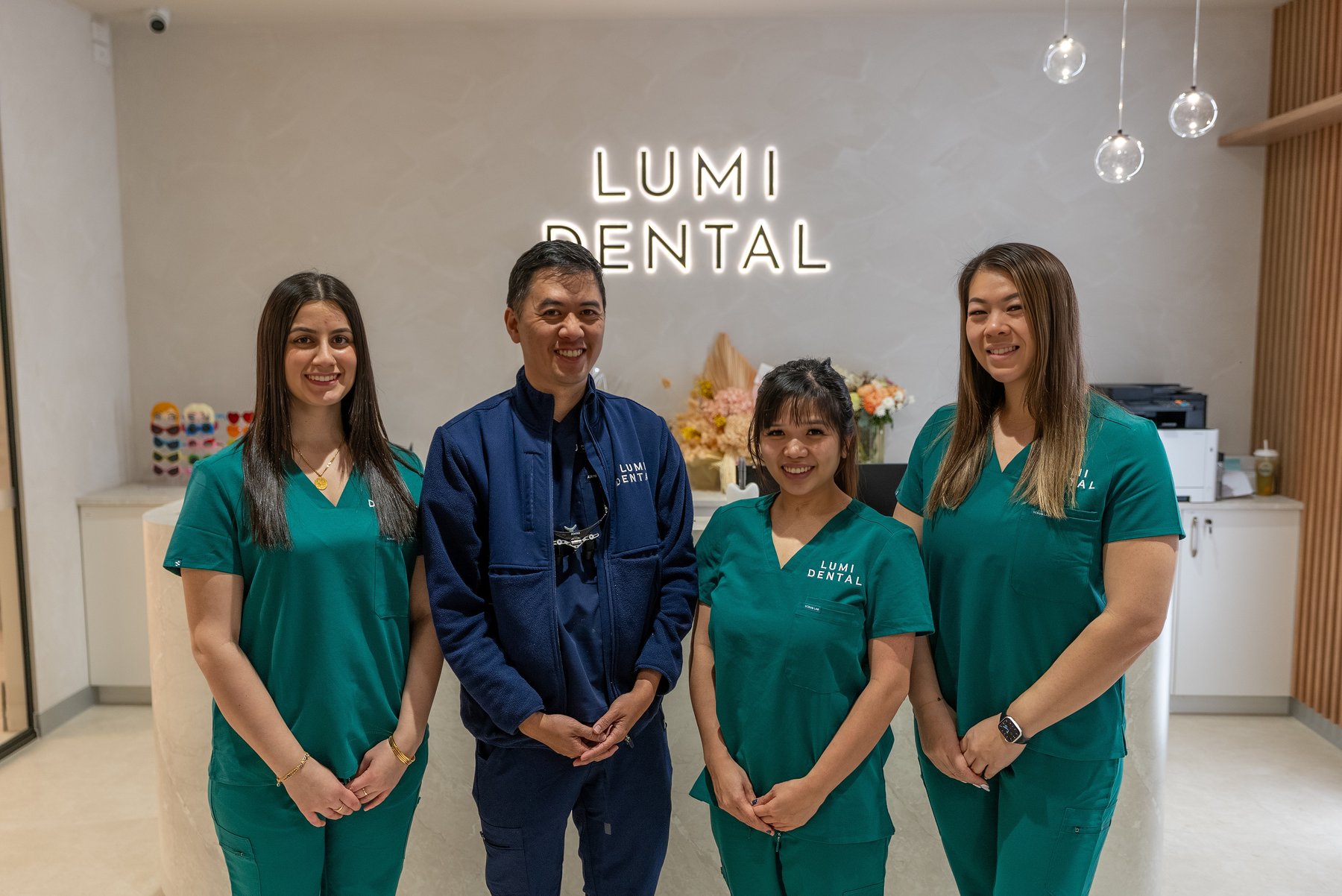
Written by Dr James Tran, dentist at Lumi Dental.
A rinse cannot do what a brush does
Plaque is a sticky film that clings to teeth and has to be physically disturbed to be removed. A toothbrush, floss or an interdental brush does that. Liquid moving over the surface does not. This is why every study of mouthwash tests it as an add-on to brushing, not a replacement. If a rinse is standing in for brushing or flossing on a busy night, it is not doing the job you need done.
Freshening rinses and rinses with an active ingredient
The bottles on the supermarket shelf fall into two broad groups, although the marketing does not always make it obvious which is which.
Cosmetic rinses mostly contain flavour. They cover up odour for a short time and leave the mouth feeling fresh, but they do not change plaque, gums or decay risk. If you find yourself reaching for one because your breath is persistently unpleasant, it is better to find the cause. Our guide to bad breath covers the usual culprits.
Therapeutic rinses contain an ingredient chosen to do a specific job, such as strengthening enamel or reducing plaque bacteria. These are the products that have been tested in trials.
What the research shows for each ingredient
Fluoride. A Cochrane review by Marinho and colleagues (2016) pooled 35 trials of supervised fluoride rinsing in schoolchildren and found about 27 per cent fewer decayed, missing or filled surfaces in permanent teeth, rated moderate quality evidence. Fluoride rinse is not for young children. Western Australian Department of Health guidance on fluoride states that children under six should not use it, and that people aged six or more may use it under the guidance of a dental professional when their risk of decay is raised.
Chlorhexidine. A Cochrane review by James and colleagues (2017) found that chlorhexidine rinse used alongside brushing produced a large reduction in plaque and a smaller reduction in gum inflammation in people with mild gingivitis. It also caused a large increase in brown surface staining on teeth, and taste changes were commonly reported. For that reason dentists use it for defined, short periods, for example after gum treatment or oral surgery, rather than as a daily habit.
Cetylpyridinium chloride (CPC) and essential oils. A 2019 network meta-analysis by Figuero and colleagues in the Journal of Clinical Periodontology compared anti-plaque ingredients for gingivitis. Among rinses, essential oils, chlorhexidine and CPC were among those with the greatest effect, and essential oil rinses showed the greatest effect on gum inflammation scores. These ingredients are found in many everyday products and are milder options for longer-term use than chlorhexidine.
The people most likely to benefit
Anyone at higher risk of decay. If you keep getting new cavities, have exposed roots, wear braces or have a dry mouth, your dentist may suggest a daily fluoride rinse for extra protection. Our article on how tooth decay starts and how to prevent it explains the bigger picture.
People having gum treatment or surgery. A short course of chlorhexidine may be recommended after a procedure or while inflamed gums are being treated. If your gums bleed when you brush, our guide to bleeding gums explains why an assessment comes first.
People with a dry mouth. Saliva protects teeth, so a dry mouth raises the risk of decay. Some people find alcohol-containing rinses sting or feel drying, and an alcohol-free mouthwash is usually more comfortable. Our guide to dry mouth covers other ways to manage it.
People who find brushing hard. Arthritis, a disability or recovery from illness can make thorough cleaning difficult. In those situations an antibacterial rinse can be a useful extra, alongside the best brushing that is possible.
When you can leave it on the shelf
With healthy gums, few fillings and good daily habits, there is no need to add a rinse. Using one you like is fine, but it will not make up for missed brushing or skipped cleaning between the teeth, and it is no reason to put off a check-up.
Timing that keeps your toothpaste working
The fluoride left on your teeth after brushing keeps working for a while. Rinsing straight afterwards, with water or mouthwash, washes much of it away. The usual advice is to spit out the toothpaste and not rinse. If you use a fluoride rinse, the WA guidance is to use it at a time of day when you are not brushing, such as after lunch. Chlorhexidine can also react with some toothpaste ingredients, so follow the timing your dentist gives you.
Questions patients ask about mouthwash
Is mouthwash necessary if I already brush and floss?
For most people with a healthy mouth, no. It becomes useful in specific situations such as higher decay risk, gum treatment or a dry mouth.
Can mouthwash fix gum disease?
No. A rinse can support treatment, but gum disease is managed with professional cleaning and better daily plaque removal. Bleeding gums should be checked by a dentist or OHT.
Is a rinse with alcohol more effective?
Not because of the alcohol. Any benefit comes from the active ingredient. Alcohol-free versions are often more comfortable, particularly for people with sensitive tissues or a dry mouth.
If you are unsure whether a rinse would help you, the team at Lumi Dental in Melrose Park can advise at your next visit. See our general dental care or current offers on the deals page. This article is general information and not a substitute for personal dental advice.