


A mucocele is a soft, fluid-filled bump that most often appears on the inside of the lower lip, and it forms when a tiny saliva gland is damaged or blocked, usually after a knock or a habit of biting the lip. It is harmless, it is not a tumour, and many small ones settle by themselves. The reason people notice them is that they can come and go, change size, and feel odd against the teeth.

Key takeaways
- A mucocele is a saliva-filled bump caused by a damaged or blocked minor saliva gland, most often from lip biting or trauma.
- It is benign and not contagious, and small ones can resolve on their own.
- Trying to pop it usually makes it return, because the leaking gland is still the problem.
- A persistent or recurring mucocele is usually treated by removing the small gland, which gives the lowest chance of it coming back.
The one rule worth remembering: do not pop it
The most helpful thing to know is that squeezing or bursting a mucocele almost always brings it back. The bump is not a pimple. It is saliva that has leaked from a damaged gland into the surrounding tissue, so until that gland is dealt with, the fluid simply collects again. Popping it also risks introducing bacteria. Leaving it alone, or having it properly treated, is the better path.
What causes a mucocele
Minor saliva glands sit just under the lining of the lips, cheeks, and floor of the mouth. When the small duct that drains one of these glands is damaged, saliva escapes into the tissue and forms a soft pseudocyst. The usual triggers are accidental lip biting, a knock to the lip, or a habit of chewing the inner lip. Because the lower lip takes the most accidental bites, that is where most mucoceles appear.
| Feature | Typical mucocele |
|---|---|
| Common site | Inside of the lower lip |
| Feel | Soft, smooth, movable, painless |
| Colour | Bluish or clear, sometimes normal pink |
| Size | A few millimetres to about a centimetre |
| Behaviour | May swell, drain, and refill over weeks |
How long does a mucocele last?
Small, recent mucoceles often disappear within a few weeks, especially once any lip-biting habit stops. Others persist, drain on their own, and then refill, which can be frustrating. A mucocele that has lasted more than a few weeks, keeps returning, or is large enough to get in the way is worth having checked.
How it is diagnosed
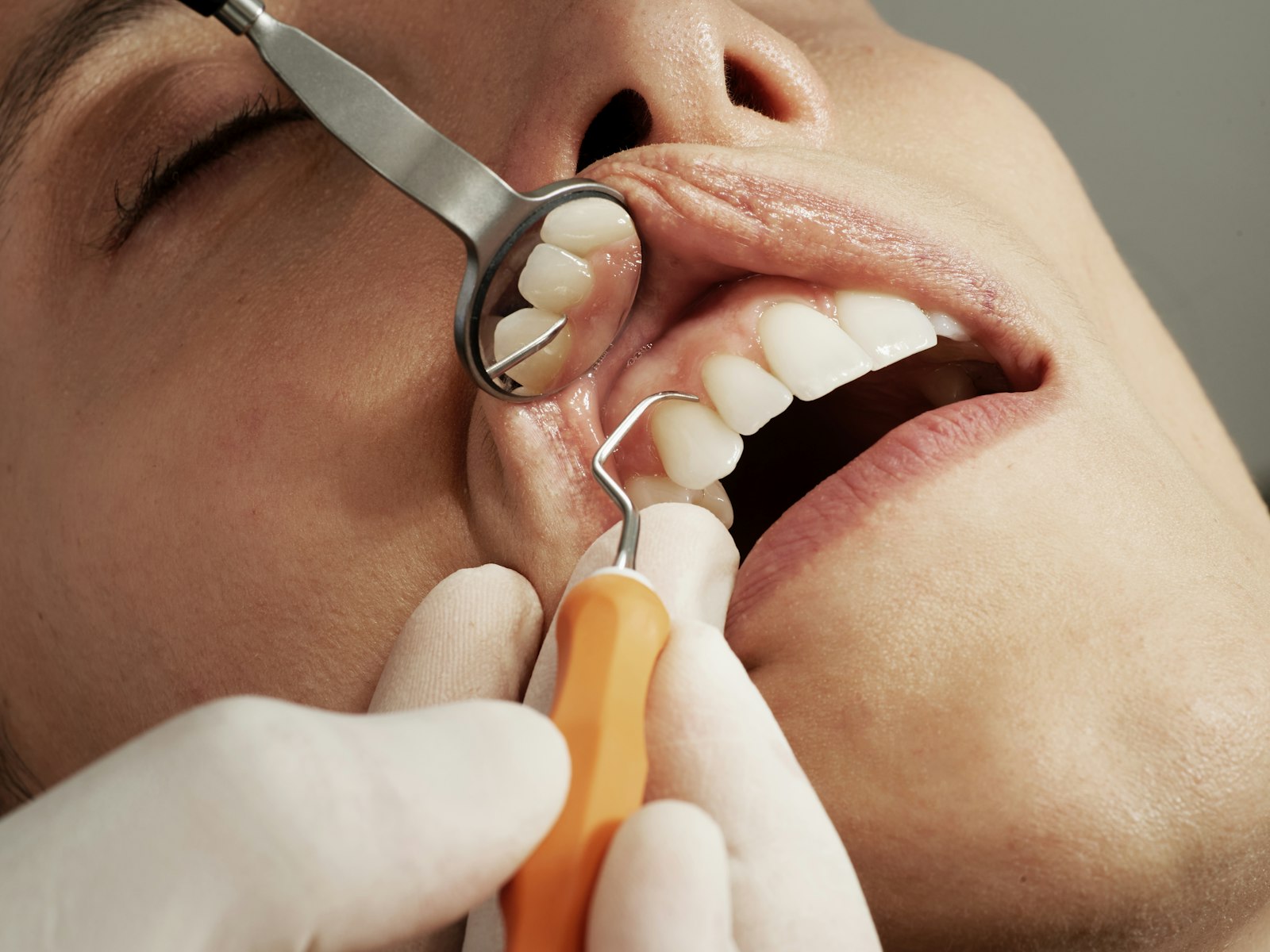
A dentist can usually recognise a mucocele by its look, feel, and history, particularly the soft bluish bump on the lower lip that comes and goes. Because a few other lumps can resemble it, anything unusual, firm, or long-standing may be sent for a tissue sample to confirm. If a bump on the floor of the mouth is large, that is a different lesion called a ranula and is handled separately.
How a mucocele is treated
For a persistent or recurring mucocele, the most reliable treatment is minor surgical removal of the affected gland along with the cyst, because taking out the leaking gland is what stops it returning. Other options used in some cases include laser removal, freezing, micro-marsupialisation, and steroid injections. Removal is a small procedure done under local anaesthetic, and the area usually heals within a couple of weeks. Recurrence is most common when a lesion is removed incompletely, which is why careful technique matters.
Can you prevent them?
You cannot prevent every mucocele, but breaking a lip or cheek-biting habit removes the most common trigger. If you grind or clench and tend to catch your lip, a custom night appliance can sometimes help reduce the biting that sets them off.
General cost and what to expect
Treatment ranges from simple monitoring of a small lesion to a minor removal procedure with a tissue sample sent for examination. Fees depend on the approach, so instead of listing our own prices here, you are welcome to view current options on our deals and pricing page or request a written quote at a general dental visit.
Frequently asked questions
Is a mucocele dangerous?
No. It is a benign, fluid-filled bump. It is not cancer and it is not contagious. The main reasons to treat it are comfort and stopping it from returning.
Should I try to pop it myself?
No. Popping it tends to make it come back and can introduce infection. If it bothers you, have it assessed rather than bursting it.
Will it come back after removal?
Properly removing the involved gland gives the lowest chance of recurrence. Incomplete removal is the usual reason a mucocele returns.
How is it different from a cold sore or ulcer?
A cold sore is a viral blister that crusts, and an ulcer is a sore open patch. A mucocele is a smooth, soft, painless bump that does not crust. Our guide on cold sores versus mouth ulcers explains how to tell those two apart.
Can children get mucoceles?
Yes, they are common in children and teenagers, often from lip biting. The approach is similar, with gentle treatment options available for younger patients.
When to see a dentist
See a dentist if a lip bump lasts more than two to three weeks, keeps returning, grows, or is firm rather than soft. The team at Lumi Dental can confirm what it is and remove it if needed. Book through our contact page.
This article is general information and is not a substitute for individual advice. Please see a dentist for diagnosis and treatment tailored to you.

