



Pericoronitis is inflammation and infection of the gum over a tooth that has only partly come through, most often a lower wisdom tooth in the late teens or twenties. When a wisdom tooth erupts only partway, a flap of gum can sit over it and trap food and bacteria underneath, which leads to swelling, soreness, and a bad taste. The single most useful thing to know is this: keeping the area clean is what settles most mild cases, and a build-up of warning signs such as facial swelling or trouble swallowing is what turns it into an emergency.
Key takeaways
- Pericoronitis is a gum infection around a partly erupted tooth, usually a lower wisdom tooth.
- A flap of gum traps food and bacteria, causing pain, swelling, and a bad taste or smell.
- Mild cases often settle within days with careful cleaning and warm salt water rinses.
- Antibiotics are reserved for spreading infection, fever, or significant swelling.
- Difficulty swallowing, breathing, or opening the mouth needs urgent care.
Why it happens
Wisdom teeth are the last to arrive and often have too little room. When one pushes through only partway, the gum nearby can form a flap, called an operculum, that overlaps the chewing surface. This space is almost impossible to clean and easily collects food debris and plaque. Bacteria thrive there, and the gum becomes inflamed. Biting from the opposing tooth onto the swollen flap can make things worse, creating a cycle of irritation. Our guide to whether wisdom teeth cause crowding covers more about how these teeth behave.
What it feels like
Symptoms range from mild to severe. Milder pericoronitis brings a sore, swollen patch of gum at the back of the mouth, a bad taste or smell, and tenderness when biting. As it progresses you may notice pus, swelling that spreads into the cheek or jaw, swollen glands in the neck, and difficulty opening the mouth fully. A steady throb and spreading swelling suggest a more serious infection than a simple sore gum.
Home relief for mild cases
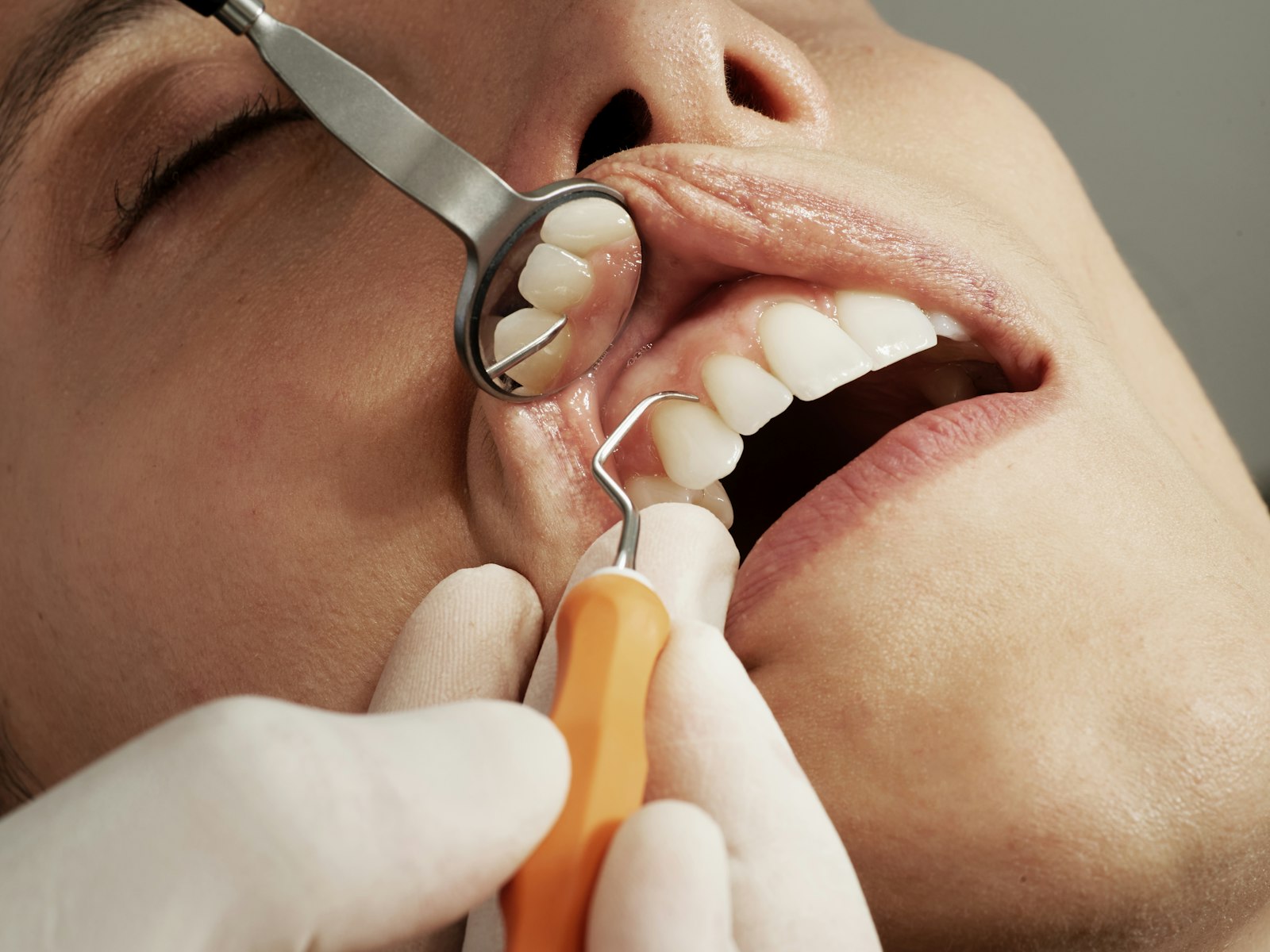
If symptoms are mild and there is no facial swelling or fever, careful cleaning often settles things. Rinse with warm salt water several times a day, especially after meals, to flush debris from under the flap. Brush the area gently but thoroughly, and consider a small soft brush to reach behind the tooth. Over-the-counter pain relief such as paracetamol or ibuprofen, used according to the packet, can ease discomfort. Keeping the area clean is the single most effective home measure. If it does not improve within a few days, or it worsens, see a dentist.
When professional treatment is needed
A dentist can clean thoroughly under the gum flap, flushing out trapped debris and bacteria, which often brings quick relief. A chlorhexidine mouth rinse may be prescribed to control bacteria during healing. Antibiotics such as amoxicillin are not used for every case; they are reserved for infection that is spreading, with fever or significant swelling, because routine cases respond to cleaning alone. Where the wisdom tooth is likely to keep causing problems, two options are discussed: removing the gum flap, or removing the wisdom tooth itself, which our wisdom teeth removal guide explains in detail.
The red flags that need urgent care
Most pericoronitis is uncomfortable but not dangerous. Occasionally an infection spreads into the tissues of the neck, which is serious. Seek urgent care if you have difficulty swallowing or breathing, a swelling that is rapidly enlarging, an inability to open your mouth more than a little, a high fever, or swelling spreading down the neck. These signs mean the infection may be tracking into deeper spaces and need prompt attention. For comparison, our guide to dental abscesses describes another infection that can escalate the same way.
Preventing it coming back
Pericoronitis tends to recur while the tooth remains partly erupted, because the flap stays in place. Keeping the area meticulously clean reduces flare-ups, but if you have had repeated episodes, a dentist may recommend assessing the wisdom tooth for removal. Regular check-ups allow the position of erupting wisdom teeth to be monitored, so problems can be caught before they flare.
Frequently asked questions
Will pericoronitis go away on its own?
A mild episode can settle with careful cleaning and salt water rinses, but it often returns while the tooth stays partly erupted. Persistent or spreading symptoms need professional care.
Do I always need antibiotics?
No. Most cases respond to thorough cleaning of the area. Antibiotics are reserved for infection that is spreading, with fever or notable swelling.
Does pericoronitis mean my wisdom tooth must come out?
Not always. A single mild episode may settle. Recurrent or severe episodes often lead to a discussion about removing the tooth or the gum flap.
How long does it take to settle?
Mild cases often improve within a few days to a week with good cleaning. Moderate to severe cases can take longer, especially if treatment or minor surgery is needed.
Can I make it worse by leaving it?
Yes. An untreated spreading infection can become serious. If you notice facial swelling, fever, or trouble swallowing, seek urgent care.
The takeaway
Pericoronitis is a common and usually manageable infection around a partly erupted wisdom tooth. Careful cleaning settles most mild episodes, while spreading swelling, fever, or trouble swallowing are signals to seek care quickly. If a wisdom tooth keeps flaring, it is worth having it assessed. The team at Lumi Dental can clean the area, ease the pain, and advise on next steps, with appointment options on our current deals page.

