
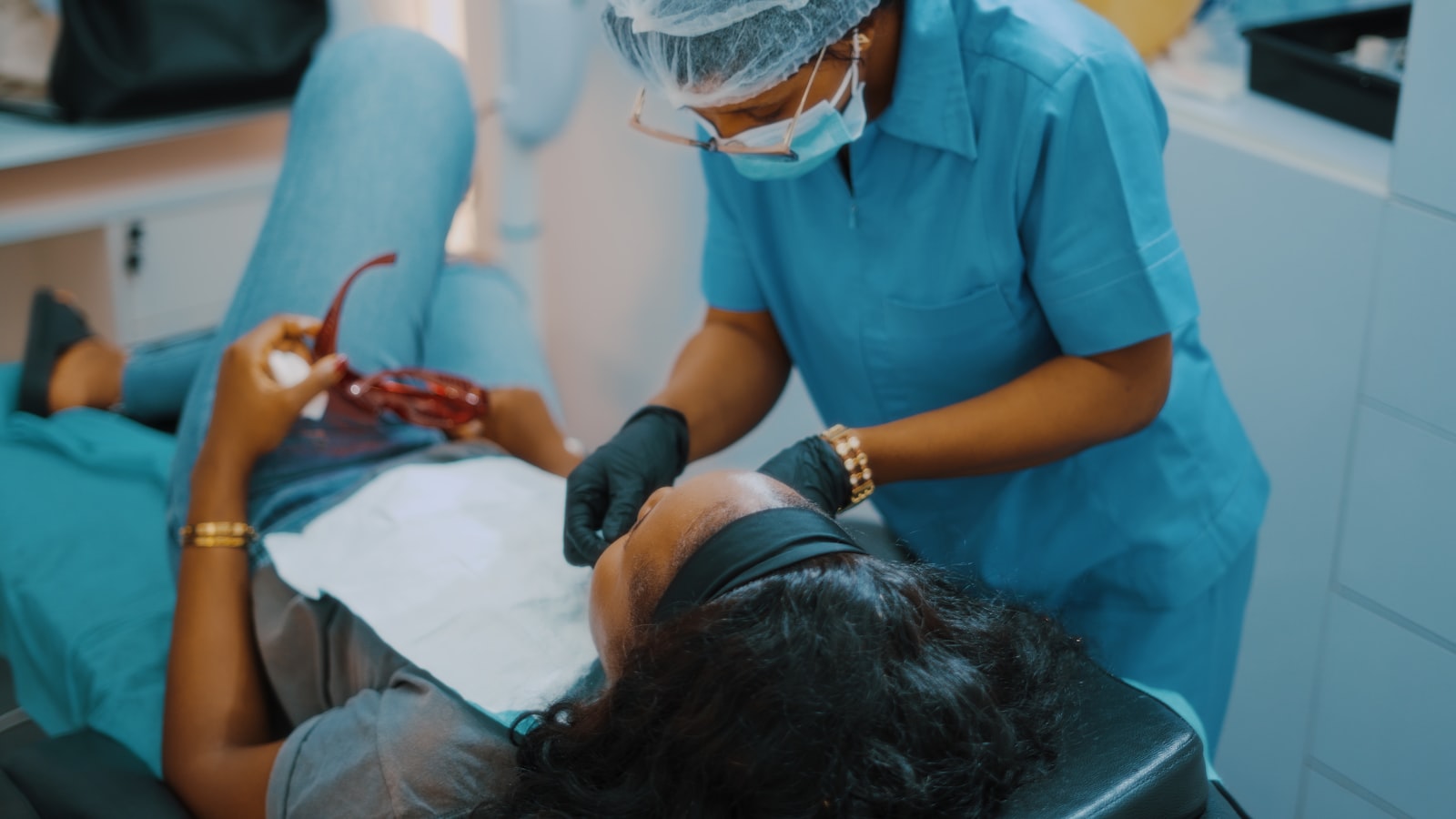

A scalloped tongue has wavy, tooth-shaped indentations along its edges, and it happens when the tongue presses against the teeth, often because it is slightly swollen or being pushed forward. It is usually harmless in itself, but it can be a clue to something worth looking at, such as teeth grinding, sleep apnoea, or a habit of pressing the tongue against the teeth. Also called a crenated or rippled tongue, it is common and often noticed by chance. The pattern reflects the shape of the teeth pressing into the tongue's edge.
Key takeaways
- A scalloped tongue shows wavy indentations from pressing on the teeth.
- It is usually harmless but can point to an underlying cause.
- Teeth grinding and tongue thrusting are common contributors.
- Sleep apnoea, an enlarged tongue, and low thyroid can be involved.
- Dehydration and nutritional gaps may also play a part.
What a scalloped tongue looks like
The edges of the tongue take on a rippled, scalloped border, like the shape of the teeth pressed into soft dough. The indentations may be mild or clearly defined, and the tongue can look a little enlarged. It is often painless, though some people notice mild soreness if there is grinding or clenching involved.

The common causes
Teeth grinding and clenching
Grinding and clenching, known as bruxism, tense the muscles around the jaw and tongue and press the tongue against the teeth, leaving ripples along the edges, often noticed in the morning. Our guide to teeth grinding explains the signs and how a night guard can help.
Tongue thrusting and posture
Some people rest or push the tongue firmly against the teeth, either as a habit or while swallowing. Over time this leaves a scalloped edge. It can also relate to airway and bite patterns that are worth assessing.
Sleep apnoea
People with obstructive sleep apnoea may push the tongue forward during sleep to keep the airway open, and the body can retain fluid, both of which can lead to scalloping. A scalloped tongue alongside snoring or daytime tiredness is worth mentioning to a doctor.
Enlarged tongue and low thyroid
An enlarged tongue, called macroglossia, naturally presses against the teeth. This can relate to an underactive thyroid, which can cause swelling, or to other medical conditions. Persistent tongue enlargement should be checked.
Dehydration and nutritional gaps
Being low on fluids can make the tongue swell and feel dry, and low iron, vitamin B12, or folate can inflame the tongue, both of which can contribute to scalloping. Our guide to vitamin B12 and your mouth covers the nutritional side.
Causes and clues
| Cause | Typical clue | First step |
|---|---|---|
| Teeth grinding | Jaw tension, worse in the morning | Dental review, night guard |
| Tongue thrusting | Habit of pressing the tongue | Assessment of habit and bite |
| Sleep apnoea | Snoring, daytime tiredness | Discuss a sleep study with a doctor |
| Low thyroid | Fatigue, tongue enlargement | Blood test with a doctor |
| Dehydration or low nutrients | Dry mouth, sore tongue, tiredness | Hydration, blood test if needed |

Do you need treatment?
A scalloped tongue on its own does not need treatment. The useful question is whether something behind it needs attention. If grinding is the cause, protecting the teeth and managing the clenching helps. If snoring and tiredness suggest sleep apnoea, a doctor can arrange a sleep assessment. If the tongue is enlarged or you have symptoms of low thyroid or a nutritional gap, a blood test guides the next step. In many cases, once the underlying factor is managed, the scalloping softens.
Frequently asked questions
Is a scalloped tongue serious?
Usually not by itself. It becomes important when it points to grinding, sleep apnoea, thyroid issues, or a nutritional gap that is worth addressing.
Can teeth grinding cause a scalloped tongue?
Yes. Clenching and grinding press the tongue against the teeth, leaving scalloped edges, often more noticeable in the morning.
Is a scalloped tongue a sign of sleep apnoea?
It can be one clue. Combined with snoring or daytime tiredness, it is worth discussing a sleep assessment with a doctor.
Will a scalloped tongue go away?
Often yes, once the underlying cause is managed, such as reducing grinding, improving hydration, or treating a medical cause.
Should I see a dentist or a doctor?
A dentist can check for grinding and bite factors, and a doctor can assess sleep, thyroid, and nutrition. Sometimes both are helpful.
Speak with the team at Lumi Dental
If you have noticed scalloped edges on your tongue, the team at Lumi Dental in Melrose Park can check for grinding and other dental causes and help point you in the right direction. Read more about general dental care or view current new-patient offers on the current deals page.
This article is general information only and is not a substitute for personal medical or dental advice. Please see your doctor or dentist for advice about your situation.


