

For people who are blind, have low vision, are deaf or hard of hearing, a dental visit can feel harder than it should, often because of communication rather than the dentistry itself. A few simple adjustments remove most of the barriers. Telling the clinic your preferred way to communicate, allowing a little extra time, and using clear visual or spoken cues turn an unfamiliar environment into a predictable one. This guide explains what good practice looks like so you know what to expect and what to ask for.
The single thing to remember
Tell the clinic how you prefer to communicate before the appointment, and ask them to record it. Once the team knows whether you lip-read, use a sign language interpreter, prefer written notes or need spoken descriptions, almost everything else falls into place.
- Share your communication needs when you book, not on the day.
- Ask for extra appointment time so nothing feels rushed.
- Expect the team to talk to you directly, not only to a companion.
- Request information in a format that works for you.
If you are deaf or hard of hearing
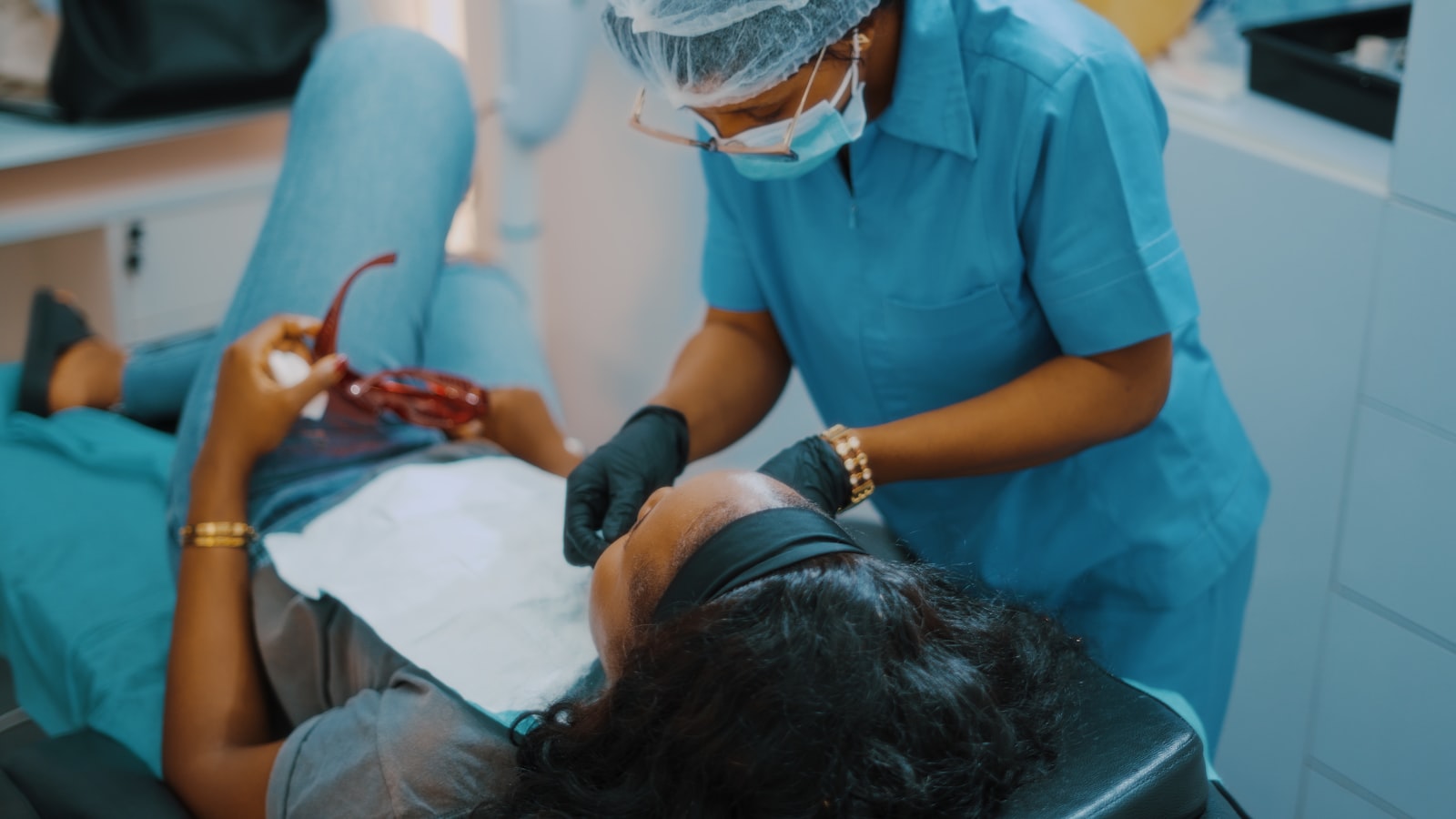
The biggest hurdles are background noise and not being able to see the speaker's face. A good clinic will face you directly, speak clearly without shouting, and pause noisy equipment like drills and scalers when explaining something. If you lip-read, the dentist can lower a mask while talking at a safe distance. You can ask for a professional sign language interpreter, ideally one familiar with dental terms, and the team should look at you rather than the interpreter when speaking. Many practices also offer SMS, email or online booking so you do not have to rely on the phone.
Helpful requests to make
| Need | What to ask for |
|---|---|
| Lip-reading | Face-to-face explanation before tools go in the mouth |
| Noise sensitivity | A pause in drilling or scaling while the dentist speaks |
| Sign language | A booked interpreter and eye contact directed at you |
| Hearing aids | No shouting, which can distort sound through the aid |
| Instructions | Written or printed post-treatment notes |
If you are blind or have low vision
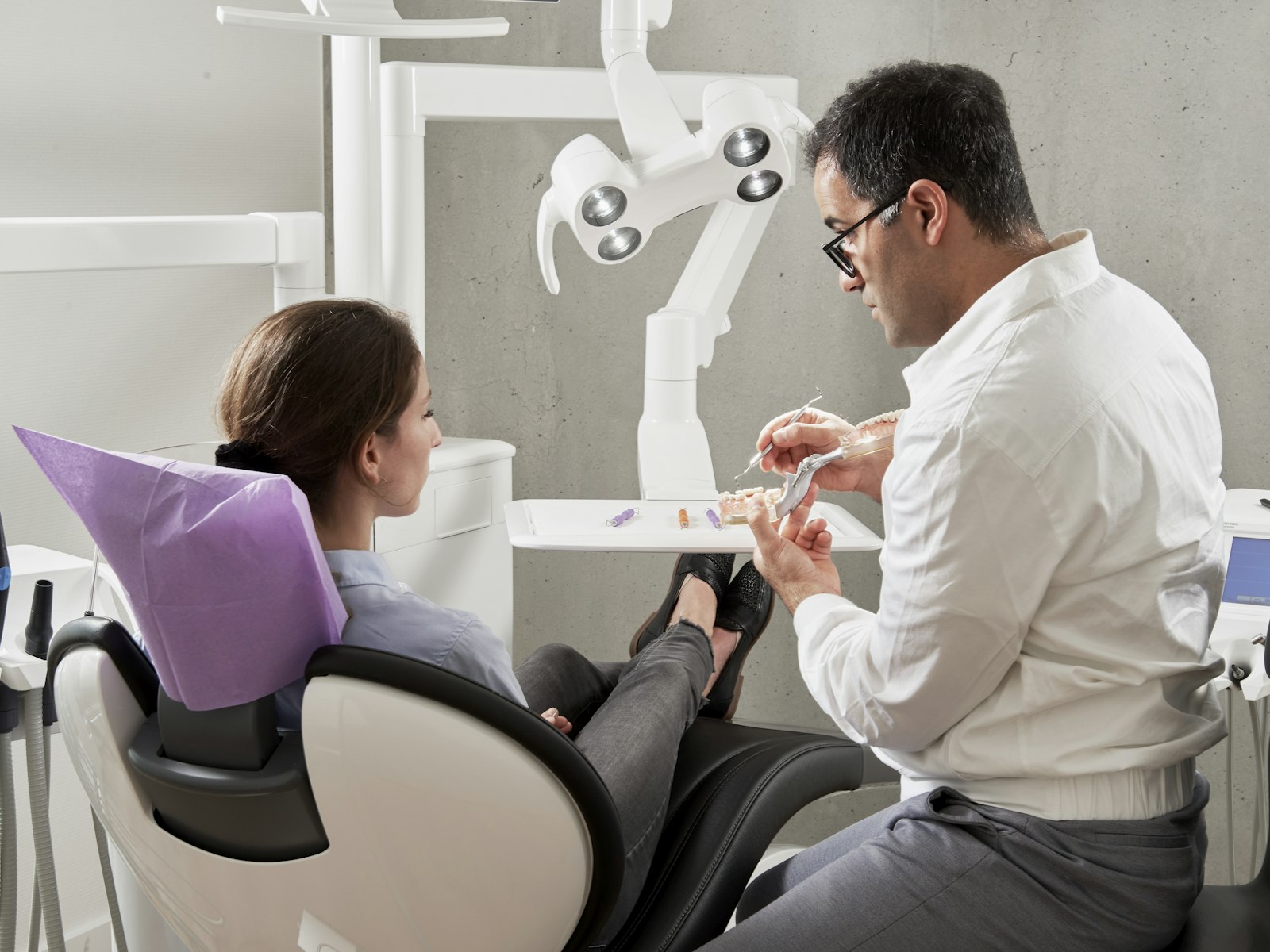
Here the priority is clear spoken information and respectful guidance. The team should talk to you, not your carer or companion, and should describe what is about to happen before they do it, including sounds and sensations you will notice. Good practice is to ask before offering physical guidance rather than taking your arm, and to use specific directions such as the chair is on your right rather than vague terms like over there. A short orientation to the room, the chair and where instruments will be used helps you feel in control. Treatment options and aftercare can be provided in large print, by email for a screen reader, or read aloud.
Making the appointment work for you
- When booking, state your communication preference and ask for it to be noted on your file.
- Request the first or a quieter appointment of the day if busy waiting rooms are difficult.
- Bring a companion if you wish, while expecting the team to address you directly.
- Ask for aftercare instructions in your preferred format before you leave.
- Tell the team what reassures you, such as a hand signal to pause treatment.
- Allow extra time so explanations are never rushed.
Communication needs often sit alongside other reasons people feel uneasy at the dentist. Our guides on autism-friendly dental visits and dementia and dental care share many of the same calming, predictable strategies.
Frequently asked questions
Can the clinic book a sign language interpreter for me?
Many can help arrange a professional interpreter, ideally one experienced with dental terms. Ask when you book so there is time to organise it, and confirm who covers the cost.
Will the dentist talk to me or to my carer?
A good dentist talks to you directly. If you are an adult, you make your own healthcare decisions, and a companion is there to support, not to speak for you unless you ask them to.
I find the drill noise overwhelming. What can be done?
Tell the team. They can pause noisy equipment while explaining, agree a hand signal for breaks, and work in shorter bursts. Noise-reducing headphones for music can also help if your hearing allows.
Can I get my treatment plan in large print or by email?
Yes. Ask for written information in large print, by email for a screen reader, or read aloud. Having a record to refer to later is helpful for everyone.
Talk to the team at Lumi Dental
Everyone deserves dental care that meets them where they are. The team at Lumi Dental is happy to adapt how we communicate and guide you so your visit is comfortable and clear. Learn about our general dental care in Melrose Park or view current new-patient options on our offers page. Let us know your needs when you book, and we will plan around them. We do not list our own prices here; ask us for a written quote.
This article is general information and does not replace personalised advice from your dental or healthcare team.


