



Oral health often declines quickly in dementia, and the reason is rarely the teeth themselves. As dementia progresses, a person may forget how to brush, resist help, lose manual dexterity, or no longer report pain, and the result is a faster rise in tooth decay, gum disease and mouth infections. There is more at stake than the mouth: poor oral hygiene raises the load of bacteria that can be inhaled into the lungs, and good daily mouth care is linked to a lower risk of aspiration pneumonia in older people. For families and carers, a calm routine makes a real difference.
Key takeaways
- Dementia raises the risk of root decay, gum disease and dry mouth, often silently.
- Many medications reduce saliva, which speeds up decay.
- Daily mouth care lowers the bacteria linked to chest infections.
- Short, predictable routines and the right tools work better than force.
- Early dental planning, while the person can still cooperate, prevents emergencies later.
Why the mouth declines in dementia
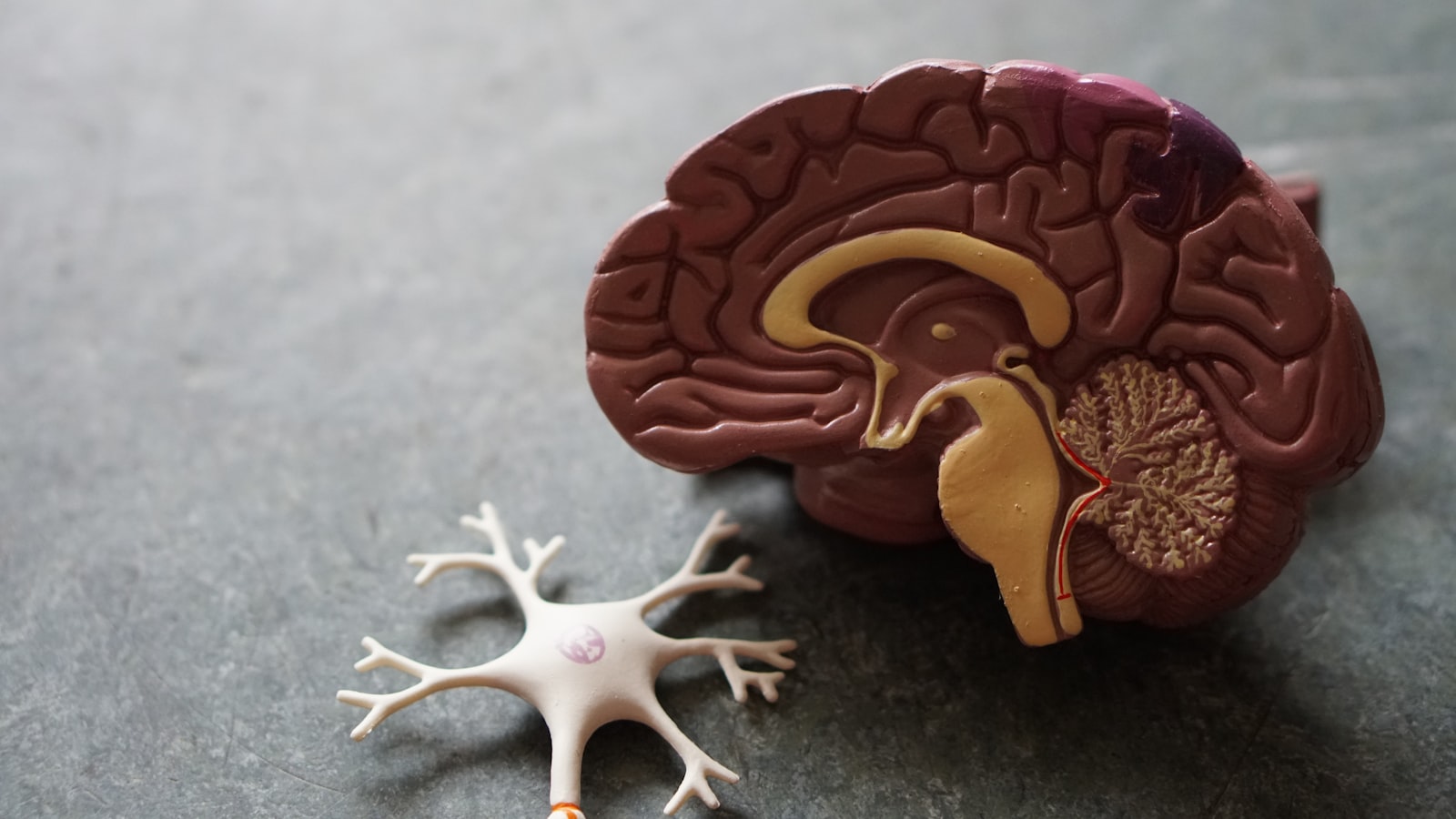
Several things stack up. Plaque is not removed well, so decay and gum inflammation advance. Many drugs used in older age and in dementia cause dry mouth, and saliva is the mouth's natural defence against decay, so less saliva means more cavities, often on the exposed roots of the teeth. The person may stop reporting pain, so a problem is only found once it is severe. Dentures may be lost, broken or left in too long, causing sores and fungal infection. Each of these is manageable once a carer knows what to look for.
The carer's daily routine
The aim is a short, repeatable routine at the same time and place each day, when the person is most settled.
Make it predictable
Pick a calm time, often mid-morning. Use the same bathroom, the same words, and the same order of steps. Familiarity lowers resistance.
Use the right tools
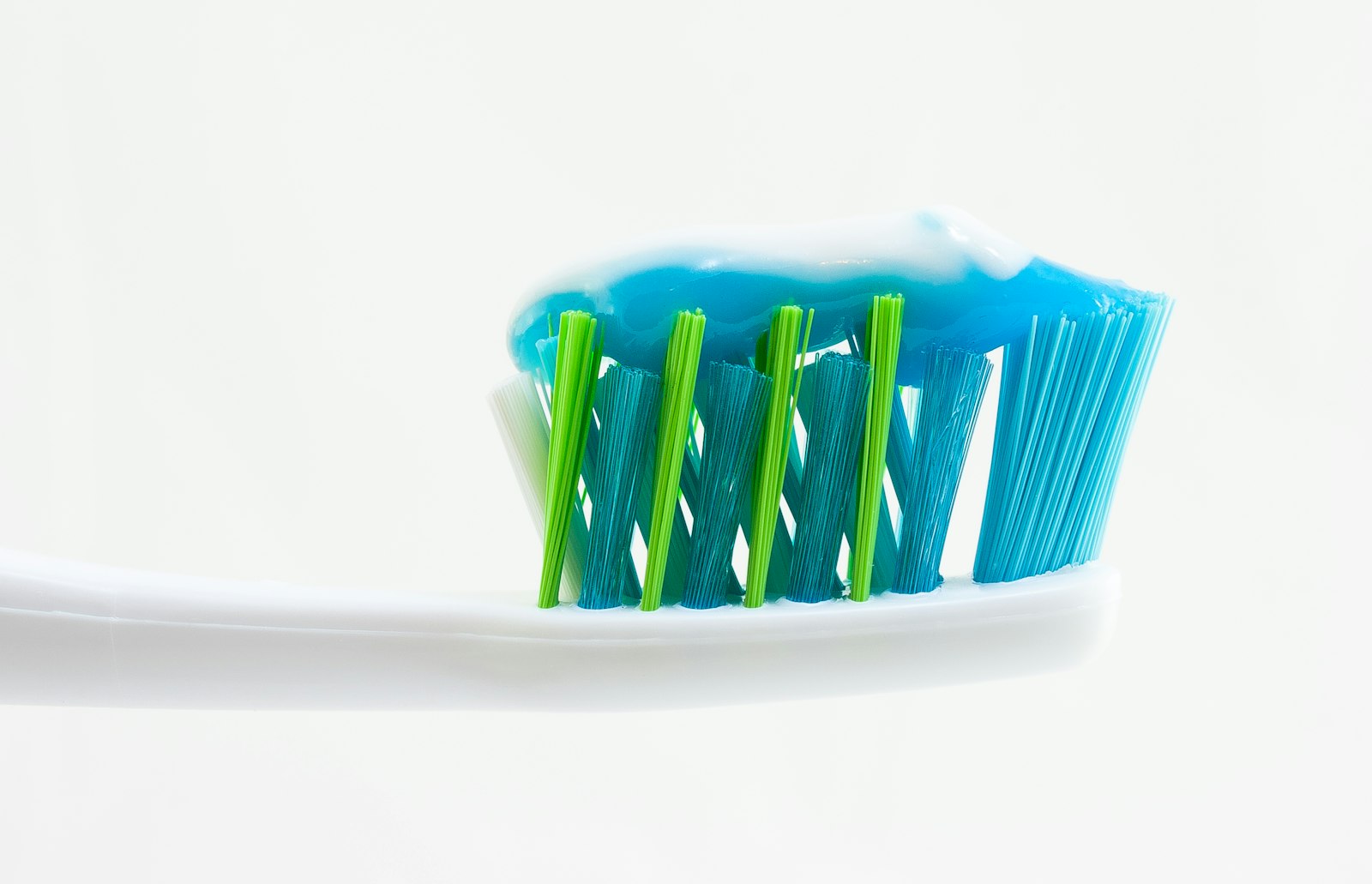
A small-headed soft toothbrush, or an electric brush if it is tolerated, removes plaque with less effort. Use a fluoride toothpaste; a high-fluoride paste may be advised by the dentist where decay risk is high. If foaming bothers the person, a non-foaming toothpaste can help. For dry mouth, sips of water, sugar-free lozenges and saliva-substitute gels give relief.
Help without a struggle
Try the chaining technique, where you start the brushing and let the person finish, or hand-over-hand, where your hand gently guides theirs. Stand to the side rather than face-on, which feels less confronting. Brush in short bursts and stop if the person becomes distressed; a partial clean now is better than a battle.
Watch for silent problems
Look for grimacing when eating, refusing food, pulling at the face, new bad breath, or a swollen cheek. In someone who cannot describe pain, these can be the only signs of a dental problem.
Planning dental visits
Plan ahead while the person can still cooperate. Book short morning appointments, bring a familiar carer, and tell the dental team about the diagnosis and any triggers in advance. A preventive focus, regular cleans, fluoride application and treating small problems early, avoids the bigger, harder procedures that are stressful at a later stage. If travel or cooperation becomes very difficult, ask about domiciliary or special-needs dental services.
General cost guide
The ranges below are general Australian market figures to help with planning, not a quote, and Lumi Dental does not list its own prices here.
| Service | General market range (AUD) |
|---|---|
| Check-up and clean | $180 to $390 |
| High-fluoride toothpaste (prescription strength) | $15 to $30 |
| Denture reline or repair | $150 to $450 |
The team at Lumi Dental is happy to provide a written quote and to plan care around a person's needs. See current offers on the current deals page or routine care with a general dentist.
Frequently asked questions
What if my family member refuses to let me brush?
Stop and try again later rather than forcing it. Change the time of day, use the chaining or hand-over-hand technique, and keep sessions short. A dentist can also prescribe high-fluoride products that protect the teeth even when brushing is imperfect.
Does mouth care really affect the lungs?
Yes. Reducing the bacteria in the mouth lowers the amount that can be breathed into the lungs, and good oral care is linked to fewer cases of aspiration pneumonia in frail older people.
Are electric toothbrushes better for someone with dementia?
Often, because they do more of the work, but only if the person tolerates the noise and vibration. If not, a soft manual brush is fine.
How often should the dentist review them?
Usually every three to six months, more often if decay risk is high, so problems are caught while they are still small.
When to see a dentist
Arrange a review for any sign of pain, a swollen face, broken teeth, sore spots under dentures, or a sudden change in eating. For related reading, see our guides on Parkinson's disease and oral care, dry mouth and Sjogren's syndrome, denture stomatitis, and bleeding gums when brushing.
This article is general information and does not replace individual dental and medical advice for the person you care for.

