



Sjogren's syndrome is an autoimmune condition in which the body attacks its own moisture-making glands, leaving the mouth and eyes dry. It affects women far more than men, by roughly nine to one, and most often appears after the age of 40. For the teeth, the central problem is simple: when saliva runs low, the mouth loses its natural defence, and the risk of decay rises sharply.
The good news is that this risk is manageable. With the right daily routine and regular dental care, people with Sjogren's can keep their teeth healthy for the long term.
Key takeaways
- Sjogren's syndrome is an autoimmune condition that reduces saliva and tears, causing a persistently dry mouth and eyes.
- It affects women about nine times more often than men and usually appears after 40.
- Less saliva means less protection, and studies show a higher risk and number of cavities.
- The risk of oral thrush (Candida) also rises when saliva is low.
- A high-fluoride routine, frequent sipping, saliva substitutes, and regular checks are the foundation of care.
Why a dry mouth is more than a nuisance
Saliva does a lot of quiet work. It rinses away food, neutralises the acids that dissolve enamel, carries minerals that repair early damage, and limits the growth of bacteria and yeast. When Sjogren's reduces saliva, all of that protection drops at once. Research consistently shows people with Sjogren's develop more cavities, with one study finding they were significantly more likely to have a greater number of total caries. As saliva falls, its protective proteins such as IgA and lactoferrin also drop, which is why the risk of oral thrush increases as well.
Signs and symptoms in the mouth
Beyond the obvious dryness, people often notice difficulty swallowing dry foods without water, a burning or sore tongue, cracked lips and corners of the mouth, changed taste, and more frequent cavities even with good brushing. Decay tends to appear in unusual places, such as at the gum line and the biting edges, because there is no saliva to protect those surfaces. The pattern overlaps with general dry mouth, but in Sjogren's it is persistent and usually paired with dry eyes.
Protecting your teeth: the daily plan
The aim is to replace some of what the saliva would normally do and to keep enamel as strong as possible.
- Use a high-fluoride toothpaste. Many people with Sjogren's benefit from a prescription-strength fluoride paste, which your dentist can recommend.
- Sip water often through the day and keep a bottle nearby. Avoid sugary and acidic drinks, which are especially damaging in a dry mouth.
- Try saliva substitutes and moisturising gels, and chew sugar-free gum with xylitol to stimulate what flow remains.
- Avoid alcohol-based mouthwashes, caffeine, and smoking, all of which worsen dryness.
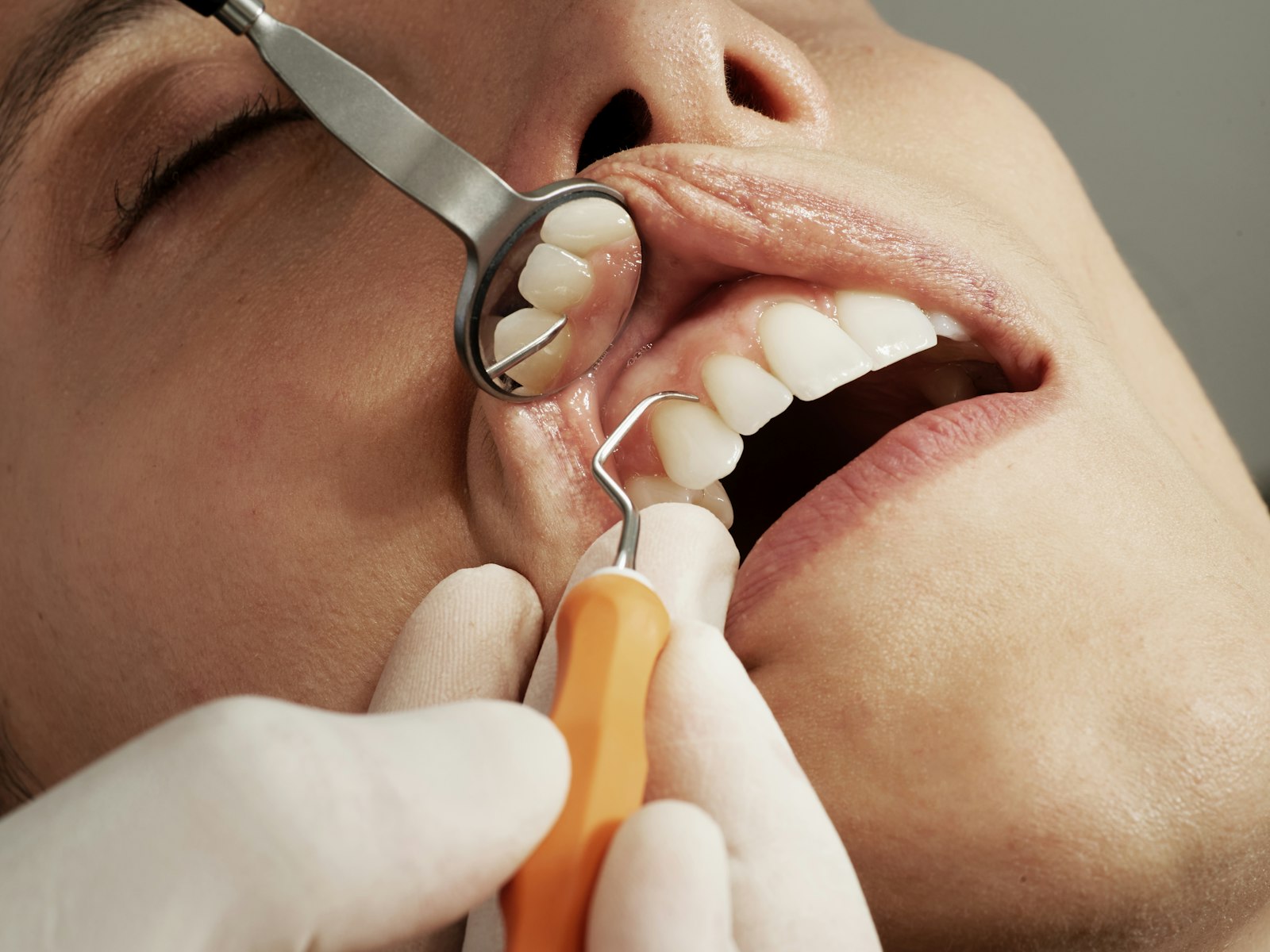
- Treat any thrush promptly, and see your dentist more often than the standard interval so problems are caught early.
Working with your medical team
Sjogren's is managed by a rheumatologist or your GP alongside your dentist. Some people are prescribed medications that stimulate saliva flow, and managing dry eyes is part of the wider picture. Tell your dentist about your diagnosis and medications so your dental plan can be tailored, including more frequent fluoride applications and closer monitoring.
Cost of staying ahead of it
Most of the protective care is preventive: examinations, professional fluoride, and more frequent cleans, which is far cheaper than treating advanced decay. As a general guide only, a standard dental examination in Australia commonly falls in the range of around 60 to 130 dollars, with fluoride application and cleans adding to that. These are general market ranges, not a quote, and the team at Lumi Dental does not list its own prices here. See our current deals page for pricing, or book a general dental check for a written quote and a tailored prevention plan.
Frequently asked questions
Does Sjogren's syndrome cause tooth decay?
Not directly, but the dry mouth it causes does. Without enough saliva, enamel loses its natural protection, and studies show more cavities in people with Sjogren's.
What helps a dry mouth from Sjogren's?
Frequent sips of water, saliva substitutes and gels, sugar-free xylitol gum, and avoiding alcohol-based rinses, caffeine, and smoking. Some people are prescribed saliva-stimulating medication.
Why am I getting thrush?
Saliva limits yeast growth, so when it is low, Candida can overgrow. Thrush is common in Sjogren's and is treatable, so have it checked.
How often should I see the dentist?
More often than usual. Many people with Sjogren's benefit from checks every three to four months so decay is caught while it is still small.
Is the dry mouth permanent?
Sjogren's is a long-term condition, so dryness tends to persist, but symptoms can be managed well with the right routine and products.
If you have Sjogren's syndrome, the team at Lumi Dental in Melrose Park can build a prevention plan around your dry mouth, including high-strength fluoride and closer monitoring. Related reading: dry mouth, oral thrush in adults, and cavities and how to prevent them.
This article is general information and not a substitute for personal advice from your dentist, GP, or rheumatologist.

