

If a dentist has pointed out an extra claw-shaped bump on the back of your child's front tooth, that is most likely a talon cusp. It is an uncommon developmental variation, reported across studies in anywhere from a fraction of a percent up to several percent of people depending on the population, and it is seen more often in people of Asian background. The name comes from its resemblance to an eagle's talon. Most talon cusps cause no symptoms at all, but a few create problems with decay or the bite, which is why it is worth understanding.
Key takeaways
- A talon cusp is an extra cusp that projects from the inner surface of a front tooth.
- Upper lateral incisors are the most commonly affected teeth.
- Most talon cusps are harmless, but deep grooves beside them can trap plaque and decay.
- A prominent cusp can interfere with the bite or, less often, contain a thread of pulp.
- Management is usually conservative, focused on sealing grooves and protecting the pulp.
The one thing that decides the plan: does the cusp cause a problem?
The single question that drives management is simply whether the talon cusp is causing trouble. Many are spotted at a routine check-up and left exactly as they are. The cusp only needs active treatment if it traps decay in the grooves around it, throws off the bite, or risks the pulp inside. Healthy and symptom-free means monitor. Causing a problem means treat. That distinction keeps care proportionate.
What a talon cusp is
A talon cusp forms while the tooth is developing, when the inner enamel layer folds outward and creates an extra horn of enamel and dentine, sometimes containing a small extension of the pulp. It sits on the tongue or palate side of a front tooth, projecting toward the bite. Because it forms with the tooth, it is present from the moment the tooth erupts rather than appearing later. It can occur on baby or adult teeth, and occasionally appears alongside other developmental tooth variations.
The problems it can cause
- Decay in the grooves. Deep grooves where the cusp meets the tooth are hard to clean and can trap plaque, making this the most common issue.
- Bite interference. A tall cusp can hit the opposing teeth first, causing discomfort, tooth wear or a shift in how the jaw closes.
- Appearance. On a visible front tooth, a prominent cusp can be a cosmetic concern for some patients.
- Pulp involvement. If the cusp contains a strand of pulp, simply grinding it down can expose the nerve, so this has to be planned carefully.
How it is managed
Monitoring and prevention
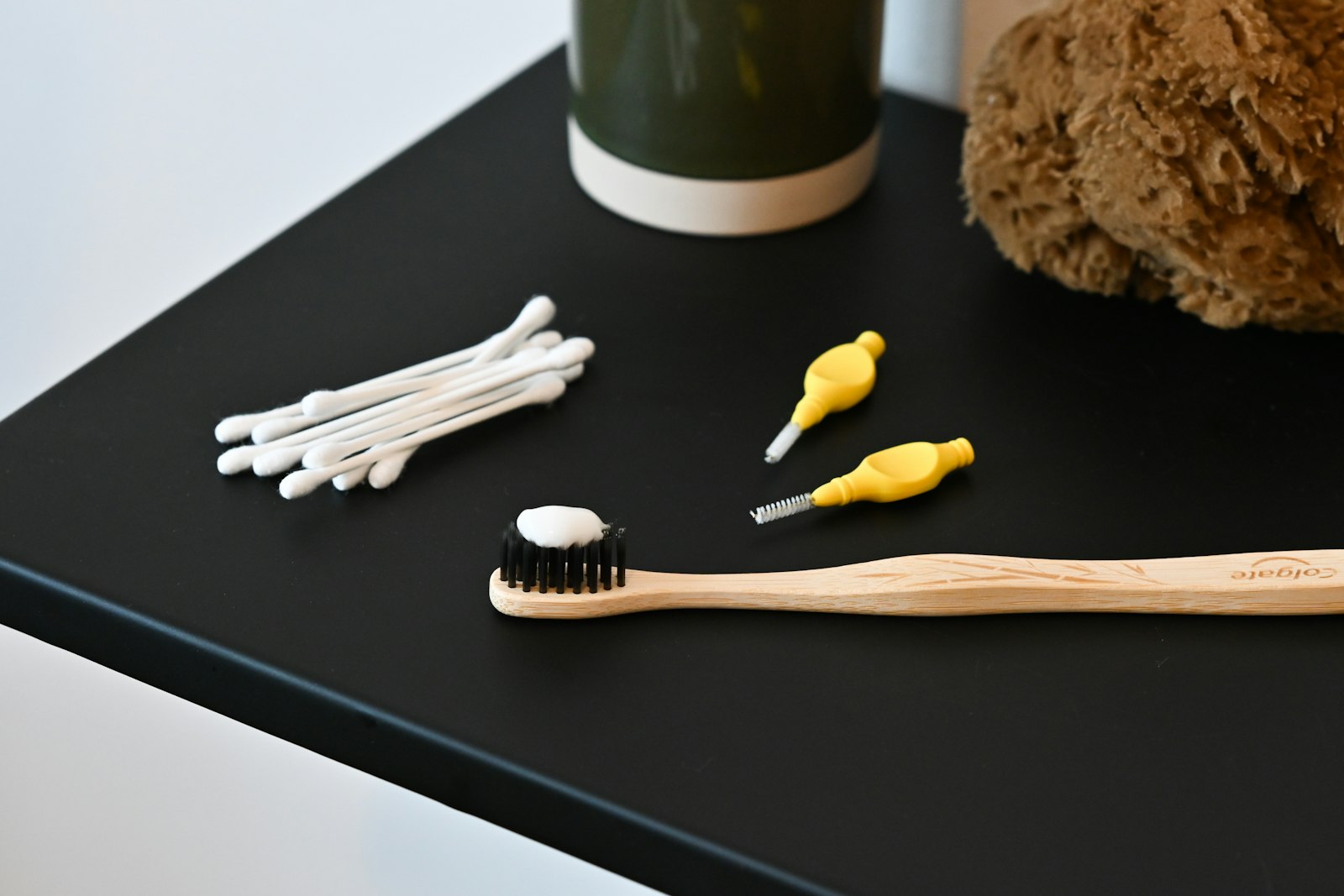
For a symptom-free cusp, the dentist simply keeps an eye on it and focuses on prevention. Sealing the grooves beside the cusp with a fissure sealant and applying fluoride helps stop decay starting in the hard-to-clean areas. Good brushing technique around the cusp matters too.
Gradual reduction
If the cusp interferes with the bite, the dentist may reduce it in small amounts over several visits, with fluoride in between. Reducing it gradually encourages the pulp to lay down protective dentine and lowers the risk of exposing the nerve. A single aggressive grind is avoided for this reason.
Restorative or root canal care
If decay has already reached the pulp, or the cusp fractures and exposes the nerve, root canal treatment may be needed, particularly on an adult tooth. On a still-developing tooth, special techniques are used to encourage the root to keep maturing.

General cost considerations in Australia
Many talon cusps need nothing more than routine monitoring at a normal check-up. If treatment is needed, a fissure sealant and fluoride are minor, while gradual reduction over several short visits adds modestly, and root canal treatment is a larger separate cost reserved for the rare pulp-involved case. As a general guide, a sealant sits around $50 to $90 per tooth and a check-up around $60 to $120. These are market ranges only, not a quote, and many children are eligible for support through the Child Dental Benefits Schedule. Lumi Dental does not publish its own prices here. See the offers page or ask for a written estimate.
Frequently asked questions
Is a talon cusp dangerous?
Usually not. Most are harmless and only need watching. The main risks are decay in the grooves and, occasionally, bite or pulp problems.
Should the cusp just be filed off?
Not in one go if it might contain pulp. Where reduction is needed, it is done gradually over visits to protect the nerve.
Will it affect my child's adult teeth?
A talon cusp on a baby tooth does not usually cause the adult tooth any harm, though developmental variations can sometimes occur on more than one tooth.
Can it be sealed to prevent decay?
Yes. Sealing the grooves beside the cusp and applying fluoride is a common and effective preventive step.
Does a talon cusp need removing for braces?
Only if it interferes with planned tooth movement or the bite. Your dentist and orthodontist will decide together.
Most need watching, not treating
A talon cusp is usually a harmless quirk of tooth development, and the priority is keeping the grooves around it clean and the bite comfortable. For related reading on developmental tooth differences, see our guides to extra teeth in children and missing adult teeth in children. To have an unusual tooth checked, contact the team at Lumi Dental.
This article is general information and not a substitute for an assessment by your dentist.


