



Tooth gems, small crystals or metal accents bonded to a front tooth, have become one of the most searched smile trends, driven largely by social media. They are inexpensive, reversible in most cases, and need no drilling when done properly. They are also frequently applied in beauty salons and at home with mail-order kits, which is where the real risk sits. The American Dental Association advises against decorative tooth gems because of the health risks linked to long-term wear.
That does not mean every tooth gem is a disaster. It means the method matters enormously. Here is an honest look at how they work, what can go wrong, and how to keep your enamel safe if you decide to get one.
Key takeaways
- A correctly applied tooth gem uses a small dental adhesive and does not require drilling into the tooth.
- The main risks are decay and gum inflammation around the gem, enamel damage during removal, and harm from DIY kits or salon glues.
- The ADA advises against tooth gems due to risks associated with long-term wear; if you choose to have one, a dental setting is far safer.
- Plaque builds up around the gem, so brushing, flossing and regular cleans matter more, not less.
- If a gem falls off and exposes etched or rough enamel, see a dentist to have the surface smoothed and sealed.
The one rule that decides whether a tooth gem is safe: who applies it and with what
The single biggest factor is whether the gem is placed by a dental professional using a proper dental bonding system, or stuck on with a craft or nail adhesive in a non-dental setting. A dental adhesive bonds the gem to the enamel surface only, and the gem can later be removed and the surface polished. Some home and salon kits instead rely on the tooth being roughened too aggressively, or use glues that were never designed for the mouth, which can chemically irritate the gum and leave lasting marks on enamel.
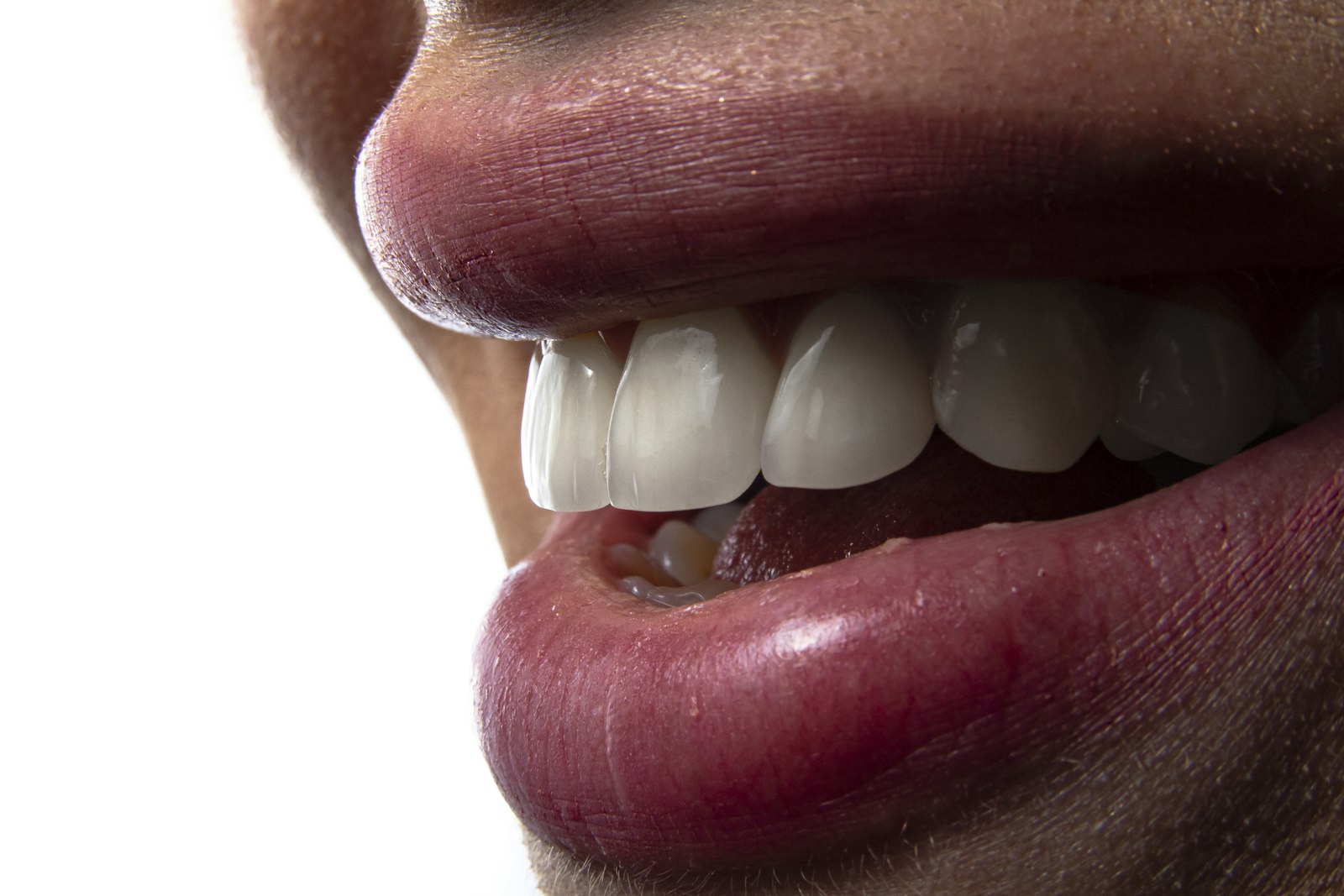
What can go wrong
Most problems are not from the gem itself but from what gathers around it and what happens when it comes off.
Decay and gum inflammation
A gem creates a new ledge that traps plaque. If brushing and flossing do not keep that area clean, the risk of a cavity forming around the gem and of the nearby gum becoming inflamed rises over time. This is the most common long-term issue.
Enamel damage
Enamel does not grow back. If a tooth is over-etched, sanded, or the gem is prised off roughly, you can be left with a permanently rough or marked patch. Done well, removal leaves only microscopic etching that a dentist can polish; done badly, the mark can be visible.
Swallowing or inhaling a loose gem
Gems do come off, often while eating. A loose gem is usually swallowed harmlessly, but there is a small risk of inhaling it, which is one reason a securely bonded, well-fitted gem matters.
Soft-tissue irritation
Metal accents and rough edges can rub the lip or cheek. Persistent rubbing in one spot is worth having checked.
If you decide to get one, do it safely
- Have it placed in a dental setting with a proper dental bonding system, not glued on at home or in a salon.
- Keep it small and smooth, and choose a flat-backed gem designed for dental use.
- Step up your home care: brush twice a day, floss daily, and clean carefully around the gem.
- Keep your routine dental cleans so the area is checked and professionally cleaned.
- Avoid biting hard foods directly on the gem, and do not pick at it.
How much do tooth gems cost?
Tooth gems are one of the cheaper cosmetic add-ons. As a general market guide only, gem application commonly ranges from around 40 to 150 dollars depending on the gem and setting, and removal and polishing is usually a small additional fee. These are general ranges, not a quote, and the team at Lumi Dental does not list its own prices here. For current pricing see our current deals page. If you are mainly chasing a brighter smile rather than a crystal, it is worth comparing the longer-lasting cosmetic options below first.
| Option | What it does | General cost range (AUD) | Best for |
|---|---|---|---|
| Tooth gem | Decorative crystal bonded to enamel | Around 40 to 150 | A temporary fashion accent |
| Professional whitening | Lightens overall tooth colour | Varies, see service page | A brighter, natural smile |
| Composite bonding | Reshapes or repairs a tooth | Varies, per tooth | Chips, small gaps, shape |
Frequently asked questions
Do tooth gems ruin your teeth?
Not on their own when applied properly, because the adhesive sits on the enamel surface. The damage usually comes from DIY application, harsh glues, poor cleaning around the gem, or rough removal.
How long do tooth gems last?
Most last from several months up to a year or more, but they can come off sooner, especially while eating. They are designed to be temporary.
Does getting a tooth gem hurt?
No. Proper application does not involve drilling or anaesthetic and is not painful. It feels similar to having a small filling polished.
Can a dentist remove a tooth gem?
Yes, and this is the safest way to do it. A dentist can lift the gem and polish away any leftover adhesive and surface roughness.
Are at-home tooth gem kits safe?
They carry the most risk, because the adhesives are often not made for the mouth and the surface can be over-prepared. A dental setting is far safer.
If you would like a tooth gem placed safely, or you are really after a brighter smile, the team at Lumi Dental in Melrose Park can talk through the safest options. Related reading: does charcoal whitening work, tooth contouring and reshaping, composite bonding vs veneers, and teeth whitening sensitivity. You can also visit our composite bonding page.

