

Tourette syndrome affects roughly 1 in 100 school-aged children to some degree, and the tics it produces do not always stop at the face. Lip and cheek biting, repeated licking, jaw clenching and grinding can all appear as motor tics, and studies report that self-injurious behaviour occurs in somewhere between 4 and 53 percent of people with Tourette syndrome, with around 39 percent reporting it at some point in their lives. For families, the practical question is simple: how do you protect teeth and soft tissues when some of the movements are involuntary?
Key takeaways
- Oral tics in Tourette syndrome can include lip and cheek biting, tongue thrusting, repeated licking, jaw clicking and bruxism.
- Self-injurious oral behaviour is the main concern because it can cause recurrent ulcers, soft-tissue damage and tooth wear.
- Prevention focuses on protecting soft tissues, managing grinding and keeping a strong daily hygiene routine.
- Dental visits work best when they are short, predictable and planned around the person's tic pattern.
- Most oral effects can be managed conservatively. Removing teeth is rarely the first answer.
The one principle that guides everything: protect, do not punish the movement
The single most useful idea for carers is that tics are involuntary, so the goal is to reduce the harm a movement causes rather than to stop the movement itself. A child cannot simply will a lip-biting tic away, but a protective appliance, a softer routine and a watchful eye on early ulcers can stop that same tic from causing lasting damage. Every strategy below follows from that one principle.
How Tourette syndrome shows up in the mouth
Oral tics are common and varied. The patterns clinicians see most often include:
- Lip, cheek and tongue biting. Repeated trauma to the same spot can cause persistent ulcers and thickened scar tissue.
- Repeated licking of the lips. This can lead to chapping, irritation and angular cheilitis at the corners of the mouth.
- Bruxism. Grinding and clenching can appear as a complex motor tic, wearing down enamel and stressing the jaw muscles and joints.
- Jaw clicking and forceful movements. Sudden jaw tics can stress the temporomandibular joints over time.
- Touching or picking at the gums. Using fingers or nails on the gum line can cause recession and infection.
Co-occurring conditions matter too. Many people with Tourette syndrome also live with anxiety, ADHD or OCD, and each of those can add to grinding, mouth breathing or hygiene challenges.
Protecting the soft tissues
Because biting and licking tics target soft tissue, this is where most damage starts. A dentist can smooth any sharp tooth edges that a biting tic keeps catching on, and in some cases a custom soft appliance can act as a cushion between the teeth and the cheek or lip. Keeping the lips moisturised reduces the urge to lick, and topical protective gels can help an ulcer heal between episodes. The key is catching a repeated-trauma ulcer early, before it becomes a chronic sore.

Managing grinding and jaw tics
If bruxism is part of the tic picture, a night guard or occlusal splint can absorb some of the force and protect the enamel and jaw joints. The choice of appliance depends on the person's ability to tolerate it and the strength of the tic, so it is worth discussing both hard and soft options. Where anxiety drives grinding, addressing the anxiety with the wider care team often helps the mouth as much as any appliance.
Daily hygiene that works with tics, not against them
A consistent home routine is the strongest protection against decay and gum disease, both of which are easier to develop when oral movements disrupt normal cleaning. Practical adjustments include an electric toothbrush with a larger handle for easier grip, brushing at the calmest time of day, and a high-fluoride toothpaste if a dentist recommends one for higher decay risk. Carers can supervise or assist brushing for children and for adults who need support, and breaking the routine into short steps often works better than one long session.
Planning a calmer dental visit
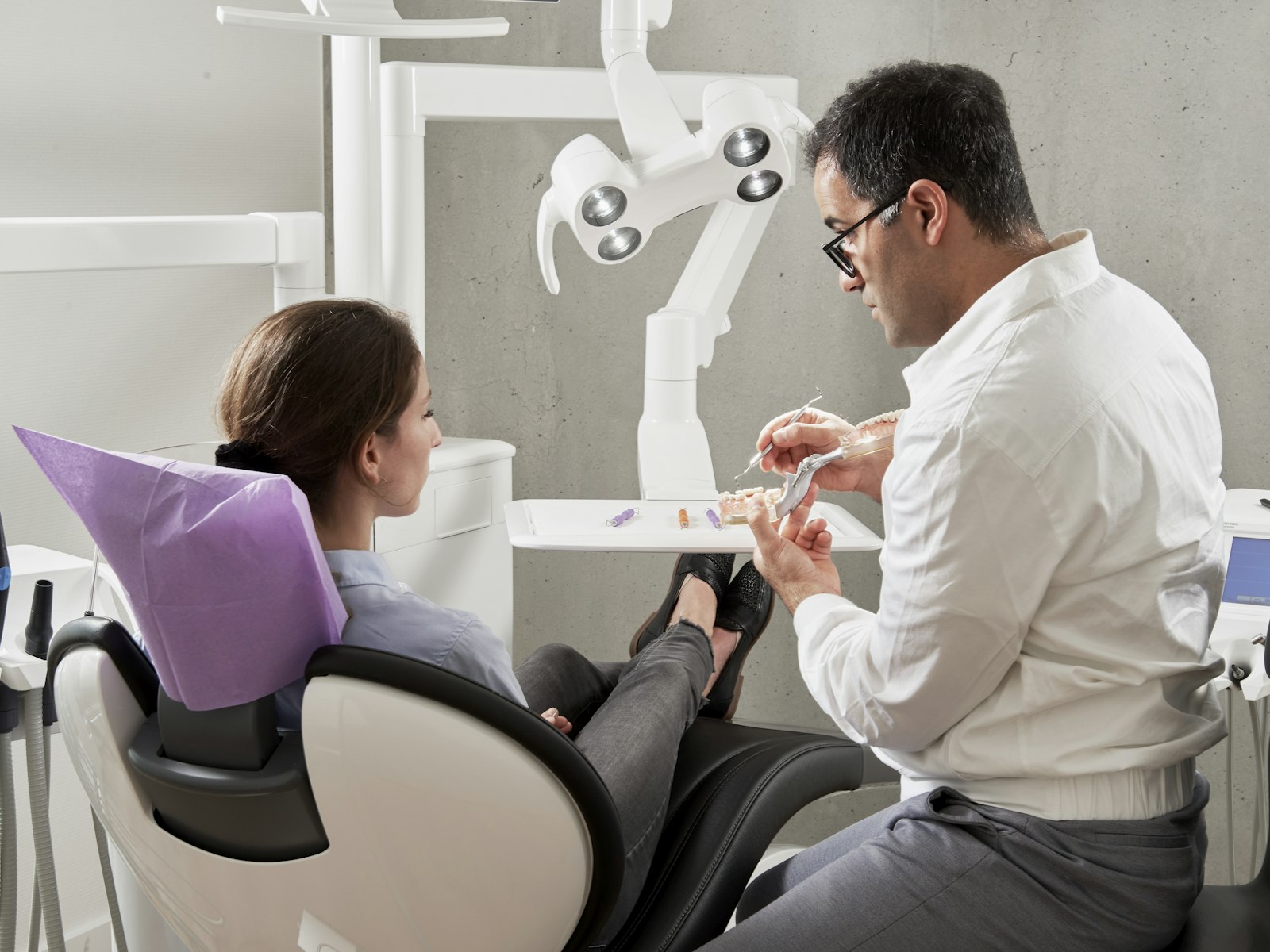
Dental appointments are more successful when they are built around the person rather than the schedule. The following approach helps most families:
Choose the right time
Book the appointment for the time of day when tics are usually quietest, and avoid times that clash with tiredness or hunger.
Keep it short and predictable
Shorter, more frequent visits are often easier to tolerate than one long session. A familiar room, the same clinician and a clear explanation of each step reduce surprise, which can reduce tics.
Tell the team in advance
Letting the practice know about the diagnosis ahead of time means staff can plan pauses, allow extra time and avoid reacting to a tic as if it were deliberate.
General cost considerations in Australia
Costs depend entirely on what is needed, from a simple check-up and clean through to protective appliances. The table below gives general Australian market ranges as a guide only.
| Item | Typical purpose | General AUD range |
|---|---|---|
| Check-up and clean | Routine prevention and monitoring | $200 to $350 |
| Custom occlusal splint or night guard | Protects teeth from grinding tics | $400 to $900 |
| Soft protective appliance | Cushions cheek or lip biting | $150 to $500 |
| Fluoride application | Extra decay protection | $30 to $60 |
These figures are general market ranges, not a quote. Lumi Dental does not list its own prices in articles. For current options and a written estimate, see the current offers page or book a consultation through our Melrose Park dental team.
Frequently asked questions
Can Tourette syndrome damage teeth directly?
Tics rarely damage teeth on their own, but repeated grinding can wear enamel and repeated biting can injure the cheeks, lips and tongue. The damage usually builds slowly, which is why early monitoring matters.
Is grinding always part of Tourette syndrome?
No. Bruxism can appear as a motor tic in some people, but many people with Tourette syndrome do not grind at all. A dentist can check for the wear patterns that indicate grinding.
Should a child with Tourette syndrome wear a mouthguard for sport?
A custom mouthguard is sensible for contact sport regardless of Tourette syndrome, and it can offer some extra protection if biting tics are present. Comfort and fit make a tolerable appliance more likely to be worn.
How often should dental visits happen?
This depends on individual risk. People with frequent oral tics, grinding or hygiene challenges often benefit from more frequent check-ups so problems are caught early.
Will my child need teeth removed?
Removing teeth is rarely the first step. The usual approach is to protect soft tissues, manage grinding and keep decay under control, with surgery reserved for specific problems.
A calm, steady approach works best
Tourette syndrome adds some extra considerations to oral care, but most of its effects on the mouth can be managed with the same tools used for grinding, soft-tissue trauma and prevention. A protective mindset, a strong daily routine and a dental team that plans around the person tend to keep things stable. For families wanting to set up a plan, the team at Lumi Dental can talk through options, and related reading includes our guides on a child's first dental visit and oral care for people with intellectual disability.
This article is general information and not a substitute for personalised advice from your dentist or wider medical team.


