


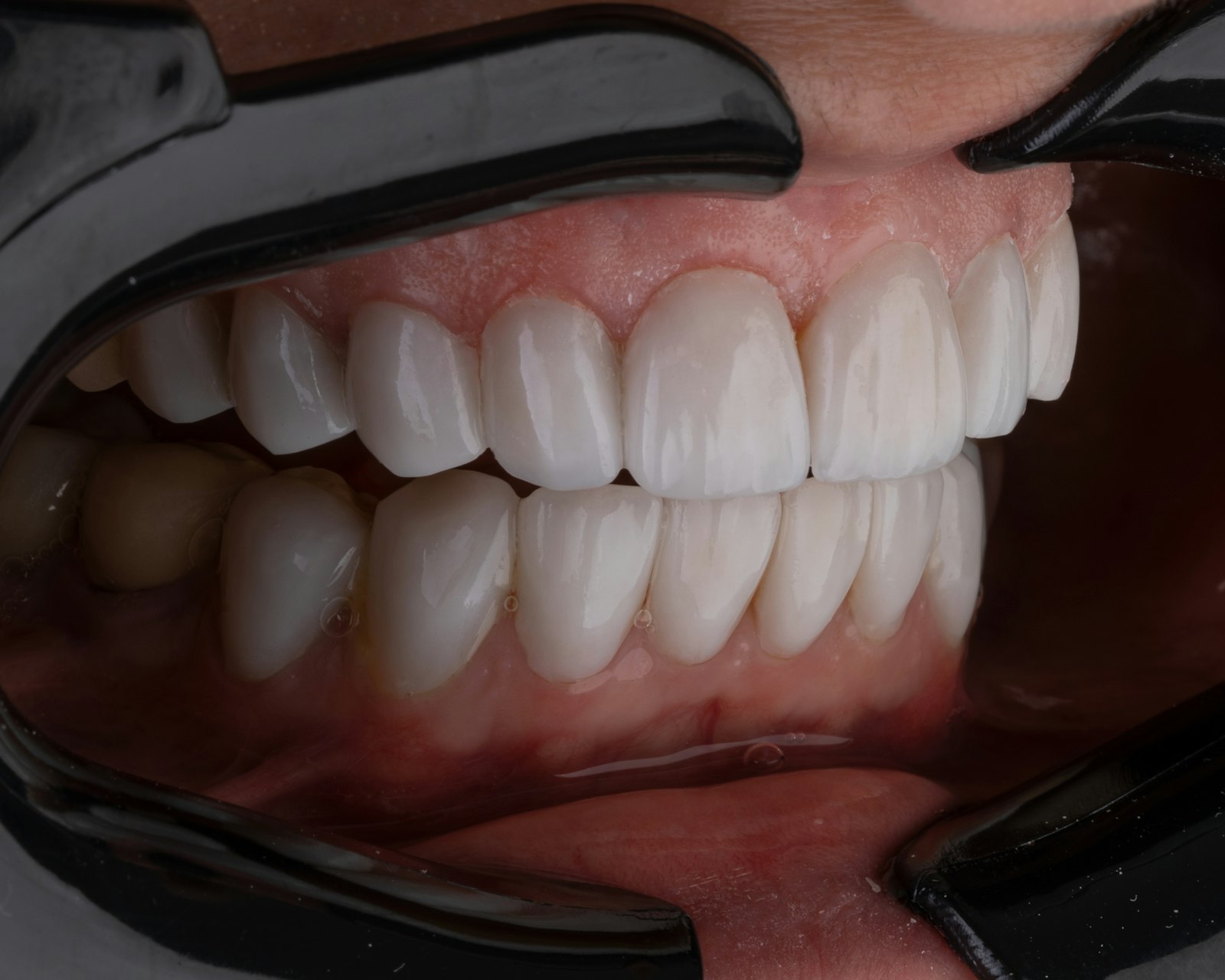
All-on-4 and All-on-6 are both ways to replace a full arch of teeth with a fixed bridge anchored on dental implants, and the difference is in the name: four implants versus six. Both approaches report strong survival rates above 95 percent in suitable patients, so the choice is less about which is better overall and more about which fits your jaw, your bone, and your bite. More implants can mean more support, but they also need more bone and a higher cost.
Key takeaways
- All-on-4 uses four implants per arch, All-on-6 uses six, to support a fixed full-arch bridge.
- Both report survival rates above 95 percent in well-selected, healthy patients.
- All-on-6 spreads the load over more supports and can suit patients with more bone loss or heavier bites.
- All-on-4 can suit patients with less available bone and usually costs less because there are fewer implants.
The one question that decides it: how much bone, and how much load?
The most useful way to think about this choice is bone and bite. If you have good bone volume and a heavy bite, or you want extra support spread across the arch, All-on-6 can be the better fit. If bone is limited and you want to avoid extra grafting, All-on-4 is often designed exactly for that situation, using angled implants to make the most of available bone. Your dentist works this out from a 3D scan, not from a preference for a number.
What All-on-4 is
All-on-4 places four implants in each arch, with the two back implants usually angled to use more of the available bone and often to avoid the sinus or nerve. This design can frequently be done without bone grafting, which is part of its appeal, and a fixed temporary bridge can sometimes be fitted the same day. It is a well-established approach with long track records. Our full guide to All-on-4 implants and costs covers it in depth.
What All-on-6 is
All-on-6 uses six implants per arch, adding two more supports. Spreading the bridge across six points can reduce the load on each implant and may offer extra stability, which some clinicians prefer for larger arches, heavier bites, or where there is more bone loss to manage. Some studies report better long-term stability and bone preservation with six implants, particularly in patients with marked bone loss, though the difference is small in healthy, well-planned cases. The trade-off is that six implants need more bone, so grafting is more likely, and the cost is higher.
| Feature | All-on-4 | All-on-6 |
|---|---|---|
| Implants per arch | Four | Six |
| Bone needed | Less, often no graft | More, graft more likely |
| Load per implant | Higher | Spread across more supports |
| May suit | Limited bone, lower cost | More bone, heavier bite, more bone loss |
| Relative cost | Lower | Higher |
| Survival in suitable patients | Above 95 percent | Above 95 percent |
What actually decides the number
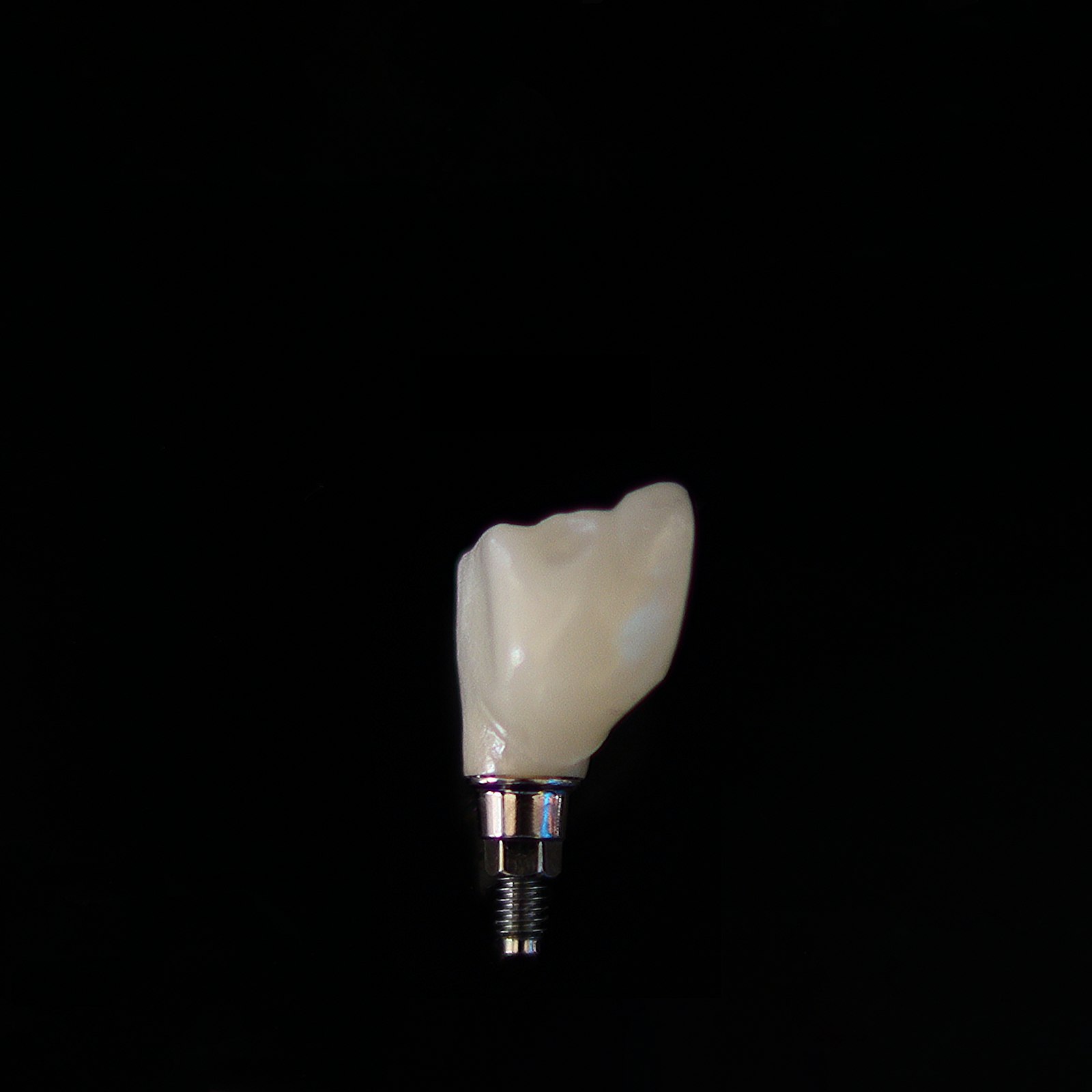
The deciding factors are bone volume and quality, which arch is being treated (the upper jaw is softer and often favours more support), your bite force, and your general health. A cone-beam 3D scan shows the bone, and the plan follows from that. Adding implants is not automatically better in every case, and fewer well-placed implants can perform excellently where the bone and bite allow. If grafting is being discussed, our guide to bone grafts and sinus lifts explains what that involves.
Looking after either option
Both designs need daily cleaning under the bridge and regular professional reviews to keep the gum and bone healthy around the implants. Peri-implant disease is the main long-term threat to any implant, so maintenance is not optional. Our guide to implant aftercare and maintenance covers the daily routine, and if you are still deciding between implants and other options, our implant versus bridge versus denture comparison is a useful starting point.
General cost and what to expect
Full-arch implant treatment is a significant investment, and general-market costs run into the tens of thousands per arch, with All-on-6 typically higher than All-on-4 because of the extra implants and possible grafting. We do not list our own prices here. You can view current options on our deals and pricing page or request a written quote at a dental implant consultation.
Frequently asked questions
Is All-on-6 stronger than All-on-4?
Spreading the bridge across six implants can reduce the load on each one and may help in cases with more bone loss or a heavy bite. In healthy, well-planned cases both perform very well, so stronger is not always necessary.
Which is cheaper?
All-on-4 usually costs less because it uses fewer implants and is more likely to avoid bone grafting. All-on-6 costs more for the extra supports.
Can I get teeth the same day?
Both can sometimes provide a fixed temporary bridge on the day of surgery, often called teeth in a day, when stability allows. The final bridge is fitted after healing.
Do I need bone grafting?
All-on-4 is often designed to avoid grafting by angling implants. All-on-6 needs more bone, so grafting is more likely. A 3D scan shows what your jaw needs.
How long do they last?
With good maintenance, implant survival is reported above 95 percent over many years for both. The bridge on top may need repair or replacement over time even when the implants remain sound.
When to see a dentist
The right number of implants is a clinical decision based on your bone and bite, not a fixed rule. The team at Lumi Dental can assess your jaw with a 3D scan and explain whether All-on-4 or All-on-6 suits you. Book through our contact page.
This article is general information and is not a substitute for individual advice. A dentist can recommend the right approach after examining you.

