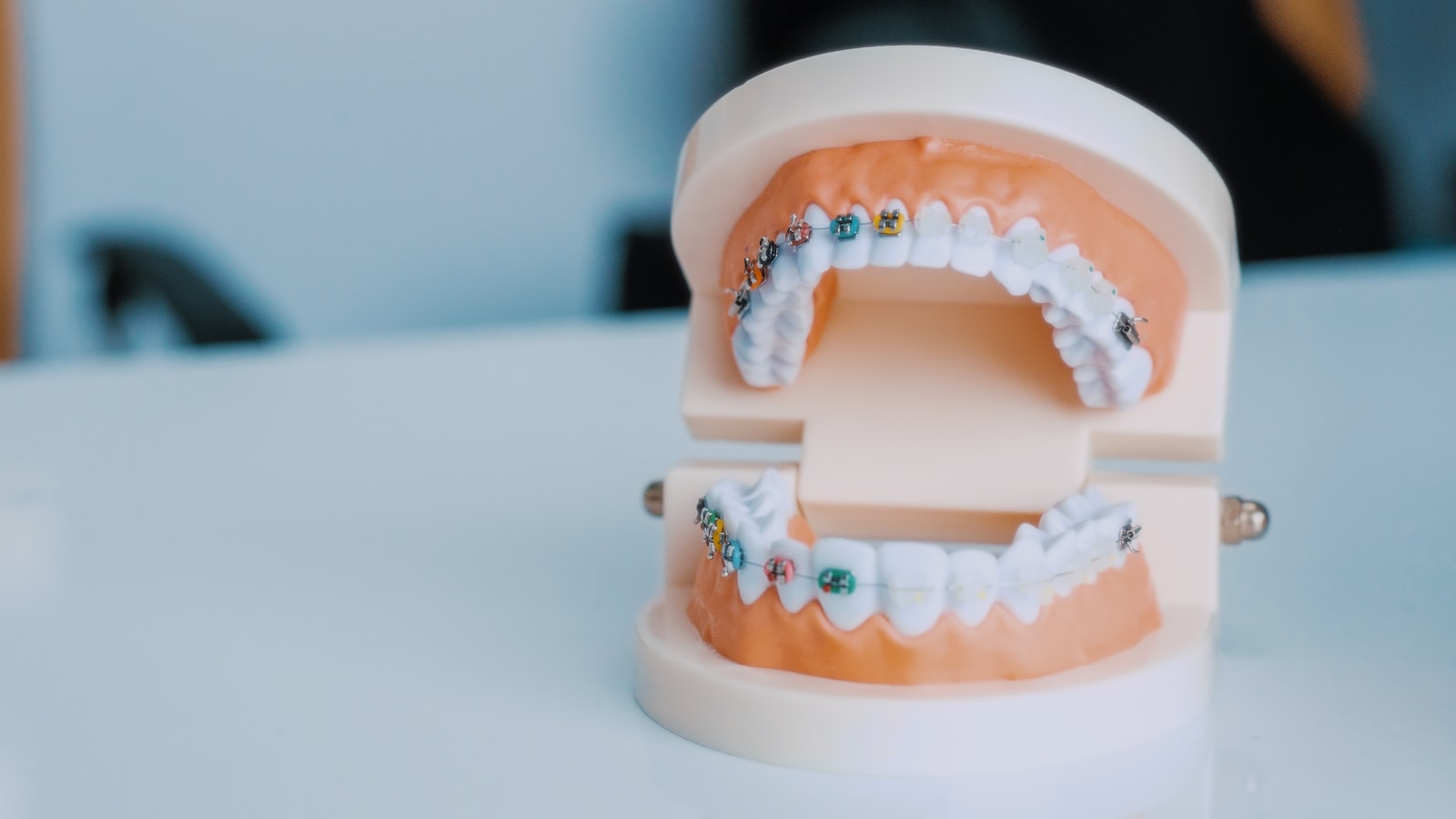

The average Australian adult is missing 6.4 teeth by the time they reach their late thirties, and that figure climbs to almost 14 teeth by age 65, according to the Australian Institute of Health and Welfare. So if you have lost a tooth, or you are about to, you are in very common company. The harder question is what to do about the gap. In Sydney, the three main ways to replace a missing tooth are a dental implant, a dental bridge, or a denture, and the right answer depends less on price than most people expect.
This guide walks through how the three options actually compare on cost, lifespan, comfort and long-term tooth health, and how a dentist decides which one suits a particular mouth. The goal is to help you walk into a consultation already knowing the questions that matter. For a shorter side-by-side summary, see implant, bridge or denture: how they compare.
Key takeaways
- The three standard options for replacing a missing tooth in Sydney are a dental implant, a dental bridge, or a denture (partial or full).
- Implants typically cost the most upfront but tend to last the longest and are the only option that preserves the jawbone where the tooth was lost.
- Bridges sit in the middle on price and can be fitted quickly, but they involve reshaping the healthy teeth either side of the gap.
- Dentures are usually the most affordable and least invasive, and are often the right choice when several teeth are missing.
- The cheapest option on the day is not always the cheapest over ten to twenty years, because shorter-lived options may need replacing more than once.
- The single biggest factor in the decision is usually how many teeth are missing and what condition the surrounding teeth and gum are in.
The one question that decides most cases: how big is the gap?
Before cost, comfort or longevity, there is one question that narrows the field faster than any other. How many teeth are missing, and what is the condition of the teeth and bone around the gap?
A single missing tooth with healthy neighbours points in a different direction to several missing teeth in a row, which points somewhere different again to a full arch with no teeth left to anchor anything. A dentist will also check the height and width of the jawbone, the health of the gums, and whether you grind your teeth, because each of those can rule an option in or out before money is even discussed.
Everything below is easier to read with that framing in mind. As you go through each option, picture your own gap: one tooth, a few teeth, or a whole arch.
The three options at a glance
Here is how the options compare across the factors patients ask about most. Figures are typical Sydney private-fee ranges and should be confirmed with a written quote after an examination.
| Factor | Dental implant | Dental bridge | Denture (partial) |
|---|---|---|---|
| Typical cost (per tooth or unit) | $3,000 to $7,500 | $1,500 to $5,000 | $700 to $2,500 |
| Typical lifespan | 15 to 25+ years | 10 to 15 years | 5 to 10 years |
| Surgery required | Yes | No | No |
| Affects neighbouring teeth | No | Yes, they are reshaped | Minimal |
| Preserves jawbone | Yes | No | No |
| Removable | No | No | Yes |
| Time to complete | 3 to 6 months | 2 to 3 weeks | 2 to 6 weeks |
Option one: dental implants
A dental implant replaces a missing tooth from the root up. A small titanium post is placed into the jawbone, the bone fuses to it over a few months in a process called osseointegration, and a custom crown is then fixed on top. The result looks and functions much like a natural tooth, and the neighbouring teeth are left untouched.
Implants have an excellent track record. Research puts the success rate for a single implant in a healthy patient at around 95 to 98 percent, with survival rates of 92 to 98 percent over ten to twenty years. A well-maintained implant can last 25 years or more, which is why it is often the most economical option across a lifetime even though it costs the most on the day.
Where implants shine: a single missing tooth with healthy neighbours, or several gaps where you would rather not involve the surrounding teeth. They are also the foundation for implant-supported dentures, which clip onto a small number of implants for a far more stable fit.
The trade-offs: implants involve minor surgery and a healing period of several months, so they are not a same-week fix. They also need enough healthy jawbone to anchor the post. If bone has already been lost, a bone graft may be needed first, which adds time and cost. Smoking and uncontrolled diabetes can lower success rates.
In Sydney, a single implant with its crown typically runs $3,000 to $7,500 once you account for the implant, the abutment and the crown. The relevant Australian Dental Association item numbers usually include 684 (surgical placement of an implant) and 661 (the implant crown). You can read the full breakdown in our guide to dental implant costs in Sydney.

Option two: dental bridges
A dental bridge literally bridges a gap. A false tooth (called a pontic) is held in place by crowns fitted over the teeth on either side. Those supporting teeth are reshaped to take the crowns, and the whole unit is cemented in as one fixed piece. Nothing is removable, and the result feels solid.
A traditional bridge can usually be completed in two to three weeks across a couple of appointments, with no surgery and no months-long healing wait. For people who want a fixed tooth quickly, or who are not suitable for surgery, that speed is a real advantage.
Where bridges shine: a single missing tooth where the neighbouring teeth already have large fillings or would benefit from crowns anyway, or where a patient cannot or would prefer not to have surgery.
The trade-offs: the biggest one is that two healthy teeth are permanently reshaped to carry the bridge. If those anchor teeth later develop decay or problems, the whole bridge can be affected. A bridge also does not replace the tooth root, so the jawbone under the gap is not stimulated and slowly resorbs over time. Cleaning under the pontic takes a little more effort with floss threaders or interdental brushes.
A typical Sydney bridge costs $1,500 to $5,000 depending on the number of units and the materials, often using ADA item numbers in the 615 to 643 range for the retainer crowns and pontic. Our dental bridge cost guide sets out the full fee picture.
Option three: dentures
Dentures are removable replacements. A partial denture fills in one or several gaps and clips onto the remaining teeth, while a full denture replaces an entire arch. Modern dentures are lighter and more natural-looking than the versions many people remember from their grandparents, and they remain the most affordable way to replace missing teeth.
Because dentures need no surgery and do not involve reshaping other teeth, they are the least invasive option. They are also the most flexible when several teeth are missing, since one appliance can replace many teeth at once for a fraction of the per-tooth cost of implants or bridges.
Where dentures shine: multiple missing teeth, a tight budget, or as a sensible interim solution while you save for implants. They are also the standard answer when a full arch of teeth is gone.
The trade-offs: dentures sit on the gum rather than being fixed in place, so they can move slightly when eating or speaking until you adjust to them. They need to be removed and cleaned daily, and because they do not stimulate the jawbone, the ridge underneath gradually shrinks, which means dentures need relining or remaking every five to ten years. Some foods are harder to manage than with fixed options.
A partial denture in Sydney typically costs $700 to $2,500, and a full denture more, with common ADA item numbers including 711, 719 and 721. Our dentures cost guide covers acrylic, metal-framed and implant-retained options. If you are weighing dentures directly against implants, our implants versus dentures comparison goes deeper on that pairing.
The hidden differentiator: what happens to the jawbone
The one factor that rarely makes it onto a price list, but that often matters most over time, is the jawbone. When a tooth is lost, the bone that used to hold its root no longer has a job to do, and the body slowly reabsorbs it. This is the same reason long-term denture wearers can develop a sunken facial appearance around the mouth.
Of the three options, only an implant replaces the root and keeps the bone stimulated and stable. A bridge and a denture both restore the visible tooth but leave the bone underneath unsupported. For a single tooth this happens gradually, but it is worth understanding, because bone that has been lost can make future treatment more complex and more expensive. If you ever wanted an implant later, you might first need a bone graft to rebuild what was lost during the years a denture or bridge was in place.
This does not make implants automatically the right choice for everyone. It simply means the decision is about more than the sticker price, and a good consultation will weigh bone preservation alongside cost, surgery and lifespan.
The cost over time, not just on the day
It is tempting to rank the options purely on upfront price, but the cheaper option today can quietly become the more expensive one over a couple of decades, because shorter-lived options need replacing more than once. The table below estimates the likely total spend on a single tooth over roughly twenty years, assuming each option is replaced at the end of its typical lifespan.
| Option | Upfront cost | Typical lifespan | Likely 20-year total |
|---|---|---|---|
| Implant | $3,000 to $7,500 | 15 to 25+ years | $3,000 to $7,500 (often no replacement) |
| Bridge | $1,500 to $5,000 | 10 to 15 years | $3,000 to $10,000 (one to two replacements) |
| Partial denture | $700 to $2,500 | 5 to 10 years | $2,100 to $7,500 (two to three remakes or relines) |
The figures are estimates, not promises, and individual cases vary widely. The point is simply that the gap between the options narrows, and sometimes reverses, once you look at the whole timeline rather than the first invoice. Health fund rebates can also shift the maths, and our overview of how health insurance covers dental in Australia explains what to check on your policy.
Which option is right for you?
There is no single best option, only the best option for a particular mouth and budget. The scenarios below cover the most common situations.
A single missing tooth with healthy neighbours
An implant is often the preferred choice here, because it replaces the tooth without touching the healthy teeth either side and preserves the bone. A bridge is a reasonable alternative if you want a faster fixed result or are not suitable for surgery.
A single missing tooth where the neighbours already need work
If the teeth either side of the gap already have large fillings or cracks, a bridge can make sense, because those teeth were heading toward crowns anyway and the bridge solves two problems at once.
Several missing teeth in a row
This is where a partial denture or a longer bridge often becomes more practical and affordable than multiple individual implants. Implant-supported bridges are another option that balances stability with cost when budget allows.
A full arch of missing teeth
A full denture is the standard solution, and an implant-retained denture (clipping onto a small number of implants) is a popular upgrade that dramatically improves stability for eating and speaking without the cost of replacing every tooth individually.
A tight budget or an interim need
A denture is the sensible starting point. It restores function and appearance now, and it can serve as a stopgap while you plan and save for an implant later.
What if you do nothing?
Leaving a gap is a choice too, and sometimes a reasonable short-term one. Over the longer term, though, an unfilled gap tends to cause its own problems. Neighbouring teeth can drift and tilt into the space, the opposing tooth can over-erupt because it has nothing to bite against, and the bite can gradually shift in ways that are harder to correct later. The bone in the gap also continues to shrink.
None of this is a reason to rush, but it is a reason not to leave the decision indefinitely. If the tooth has only recently been removed, it is also worth reading our tooth extraction recovery timeline so you know when the site is ready for a replacement. And if you are still deciding whether a struggling tooth should be saved or removed in the first place, our root canal versus extraction guide covers that earlier fork in the road.
Common mistakes when choosing
Choosing on upfront price alone. The cheapest option on the day can cost more over twenty years once replacements are factored in. Always ask about the expected lifespan, not just the fee.
Ignoring the jawbone. Delaying a decision for years can lead to bone loss that limits your options and adds the cost of a graft later. The condition of the bone is part of the price.
Assuming an implant is always best. Implants are excellent, but surgery, healing time, bone volume and general health all matter. For some patients a bridge or denture is genuinely the better fit.
Forgetting the neighbouring teeth. A bridge commits two healthy teeth to carrying the load. If those teeth are pristine, that is a meaningful cost worth weighing.
Frequently asked questions
What is the cheapest way to replace a missing tooth in Sydney?
A partial denture is usually the most affordable option, typically starting from around $700 to $2,500 depending on the materials. It is also the least invasive, though it is removable and tends to need relining or remaking every five to ten years.
What is the longest-lasting option?
Dental implants generally last the longest, with research showing survival rates of 92 to 98 percent over ten to twenty years and many implants lasting 25 years or more when well maintained. That longevity is why they are often the most economical choice across a lifetime.
Is an implant worth the extra cost over a bridge?
It can be, particularly for a single tooth with healthy neighbours, because an implant does not reshape adjacent teeth and preserves the jawbone. Over twenty years the total cost can be similar once bridge replacements are factored in. The best answer depends on your individual mouth and budget, which is what a consultation is for.
How long does each option take to complete?
A bridge usually takes two to three weeks, a denture two to six weeks, and an implant three to six months because the bone needs time to fuse to the post. If you need a tooth replaced quickly for an event, a bridge or temporary denture can fill the gap while a longer-term plan is made.
Can I have an implant if I have been missing the tooth for years?
Often yes, but the jawbone may have shrunk in the time the tooth has been gone, so a bone graft might be needed first to provide enough support for the implant. A dentist can assess this with an examination and a scan.
Do dental bridges damage the teeth next to the gap?
A bridge requires the neighbouring teeth to be reshaped so crowns can be fitted over them, which permanently alters those teeth. If they already needed crowns this is a minor downside, but if they are completely healthy it is a genuine consideration when comparing a bridge to an implant.
Are dentures uncomfortable?
Modern dentures are more comfortable and natural-looking than older designs, though there is an adjustment period of a few weeks while you get used to eating and speaking with them. Implant-retained dentures clip onto a small number of implants and feel considerably more stable than conventional ones.
Will my health fund help with the cost?
Many private health funds with extras cover contribute toward dentures, bridges and implants, though annual limits and waiting periods apply and rebates vary widely between policies. It is worth requesting the relevant item numbers from your dentist and checking them against your policy before you commit.
Talk it through with Lumi Dental
Replacing a missing tooth is a decision worth getting right, because the option you choose can stay in your mouth for decades. At Lumi Dental in Melrose Park, we take the time to examine the gap, assess the bone and surrounding teeth, and explain the realistic options for your situation, with written quotes so there are no surprises. If you are weighing up an implant, a bridge or a denture, book a new patient consultation and we will help you find the option that fits your mouth, your timeline and your budget.
This article is general information only and is not a substitute for personalised dental advice. Costs are typical Sydney ranges and will vary with your individual needs. Please see a dentist for advice specific to your situation.